HF and 10 Meter Radios
HF (3 to 30 MHz) is where ham radio goes long distance. Signals bounce off the ionosphere, so a modest station can reach across the country or overseas. It takes a bigger antenna than VHF and UHF, and conditions change with the time of day and the sun.
Most HF privileges need a General license. A Technician can still use part of 10 meters for single-sideband voice (28.3 to 28.5 MHz) and Morse code on parts of 80, 40, 15 and 10 meters. Shortwave receivers here need no license at all, since they only listen.
Radioddity: use code NODAKMESH at checkout for $15 off.
Start here
Best first HF radio
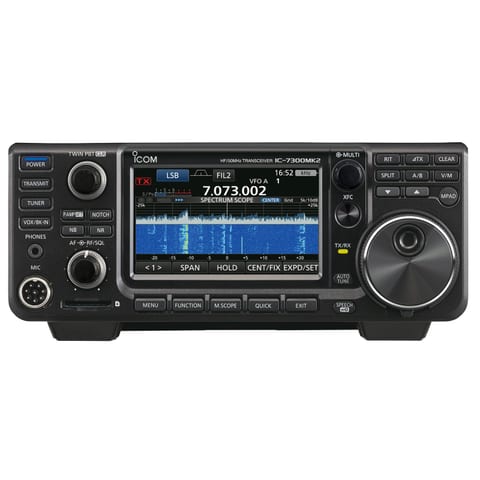
Icom IC-7300MK2 HF/6m Transceiver
100 watts from 160 through 6 meters, a color touchscreen, and HDMI, USB-C and LAN ports for digital modes and remote displays.
Icom · Amateur (ham)
$1,499.95
Icom IC-7300MK2 HF/6m Transceiver: View at DX Engineering(opens in a new tab)
Filters
41 products
HF transceivers 18
Icom · HF transceiver
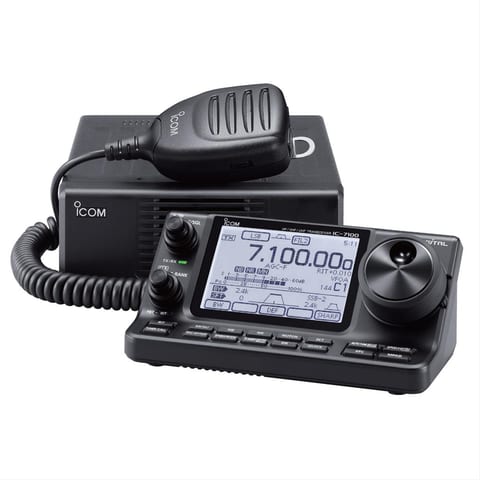
Icom IC-7100 HF/VHF/UHF D-STAR Transceiver
Amateur (ham)
- HF, 6 m, 2 m and 70 cm, all mode
- D-STAR digital voice
- Detachable front panel for base or mobile
$838.95
Icom IC-7100 HF/VHF/UHF D-STAR Transceiver: View at DX Engineering (opens in a new tab)Yaesu · HF transceiver
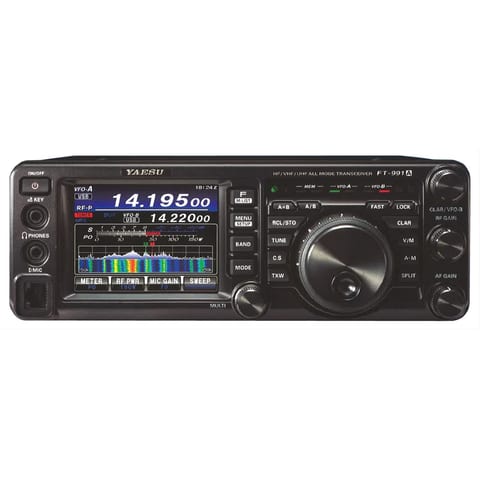
Yaesu FT-991A HF/VHF/UHF Transceiver
Amateur (ham)
- HF, VHF and UHF in one radio, all mode
- Real-time spectrum scope and waterfall
- 3.5-inch touchscreen
$1,449.95
Yaesu FT-991A HF/VHF/UHF Transceiver: View at DX Engineering (opens in a new tab)Yaesu · HF transceiver
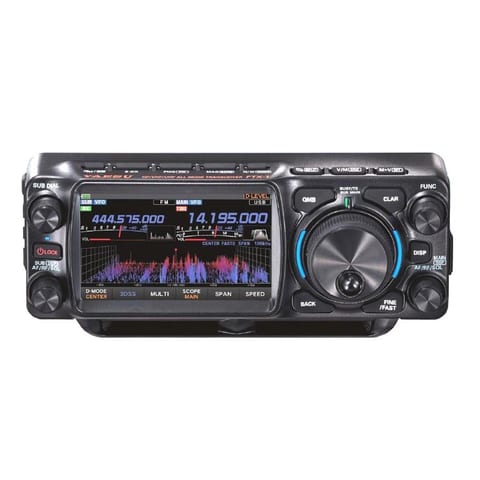
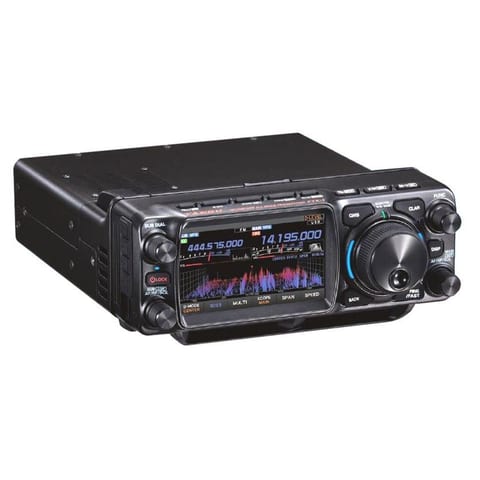
Yaesu FTX-1 Field Portable SDR Transceiver
Amateur (ham)
- HF, 6 m, 2 m and 70 cm, all mode
- 0.5 to 10 W with a 6400 mAh battery
- Field head with 4.3-inch display
$1,499.95
Yaesu FTX-1 Field Portable SDR Transceiver: View at DX Engineering (opens in a new tab)Yaesu · HF transceiver
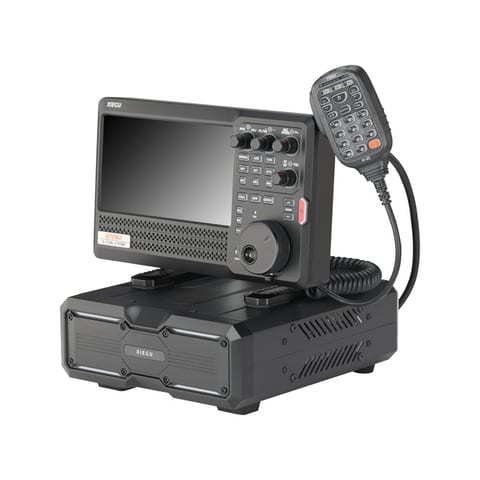
Yaesu FTX-1 Optima SDR Transceiver
Amateur (ham)
- HF, 6 m, 2 m and 70 cm, all mode
- Field head plus 100 W amplifier
- Works as a portable or a base station
$2,049.95
Yaesu FTX-1 Optima SDR Transceiver: View at DX Engineering (opens in a new tab)Xiegu · HF transceiver
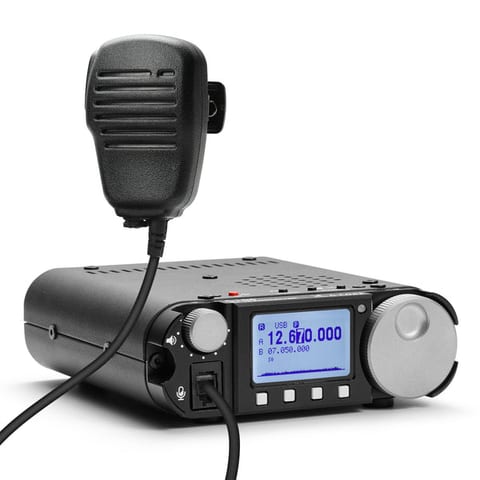
Xiegu G106 SDR HF Transceiver
Amateur (ham)
- 5W QRP Radio
- SSB CW AM WFM
- Support FT8
$249.00 $319.00
Xiegu G106 SDR HF Transceiver: View at Radioddity (opens in a new tab)Xiegu · HF transceiver
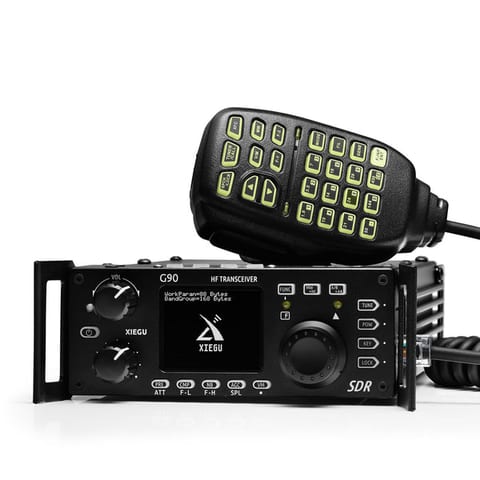
Xiegu G90 HF Radio
Amateur (ham)
- SDR
- QRP
- Auto Antenna Tuner
$466.00 $499.99
Xiegu G90 HF Radio: View at Radioddity (opens in a new tab)Xiegu · HF transceiver
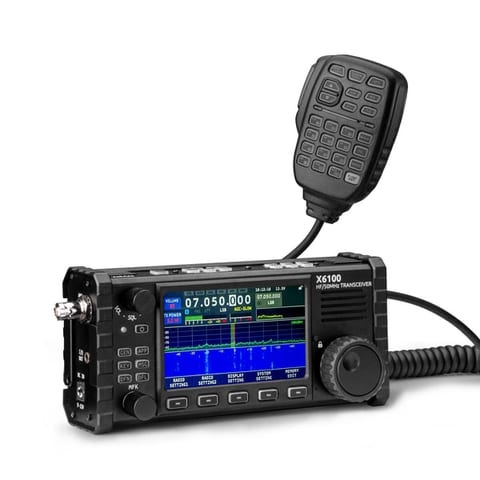
Xiegu X6100 HF Transceiver
Amateur (ham)
- Full Mode
- SDR Radio
$595.00 $639.00
Xiegu X6100 HF Transceiver: View at Radioddity (opens in a new tab)Xiegu · HF transceiver
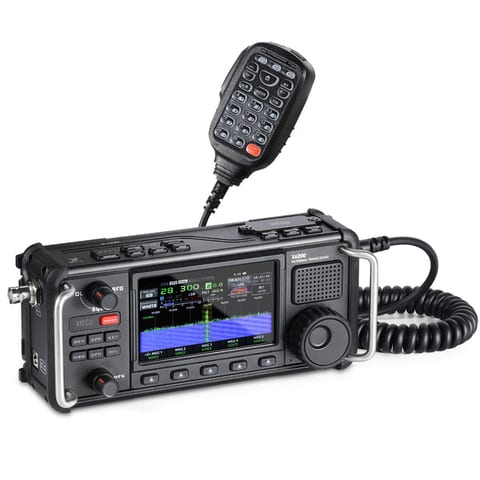
Xiegu X6200 HF Transceiver
Amateur (ham)
- 8W
- Full Mode Full Band
- RF Direct Sampling
$699.00 $799.00
Xiegu X6200 HF Transceiver: View at Radioddity (opens in a new tab)Icom · HF transceiver
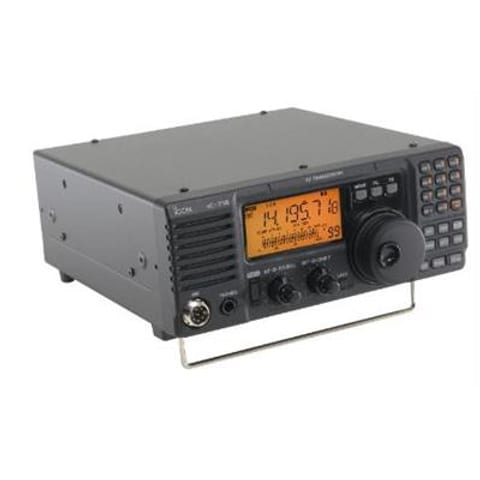
Icom IC-718 HF Transceiver
Amateur (ham)
- 100 W on all HF bands
- Single receiver, amber display
- Runs on 13.8 V DC, 20 A
$899.95
Icom IC-718 HF Transceiver: View at DX Engineering (opens in a new tab)Xiegu · HF transceiver
Xiegu G7250 100W HF/6m SDR Transceiver
Amateur (ham)
- First Batch
$999.00
Xiegu G7250 100W HF/6m SDR Transceiver: View at Radioddity (opens in a new tab)Yaesu · HF transceiver
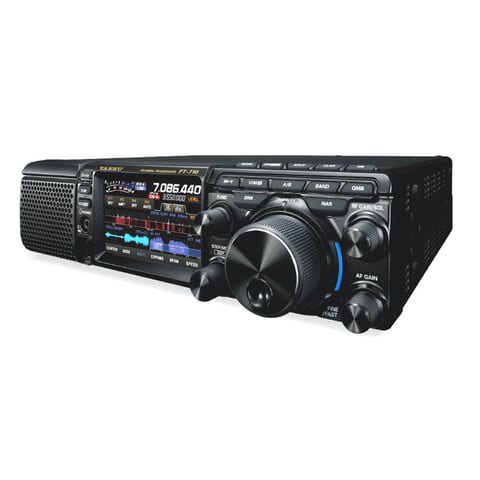
Yaesu FT-710 AESS HF/6m Transceiver
Amateur (ham)
- 100 W HF and 6 m
- 4.3-inch color touchscreen
- Includes the SP-40 external speaker
$1,399.95
Yaesu FT-710 AESS HF/6m Transceiver: View at DX Engineering (opens in a new tab)Icom · HF transceiver
Icom IC-7300MK2 HF/6m Transceiver
Amateur (ham)
- 100 W on 1.8 to 54 MHz
- Color touchscreen
- HDMI, USB-C and LAN ports
$1,499.95
Icom IC-7300MK2 HF/6m Transceiver: View at DX Engineering (opens in a new tab)Yaesu · HF transceiver
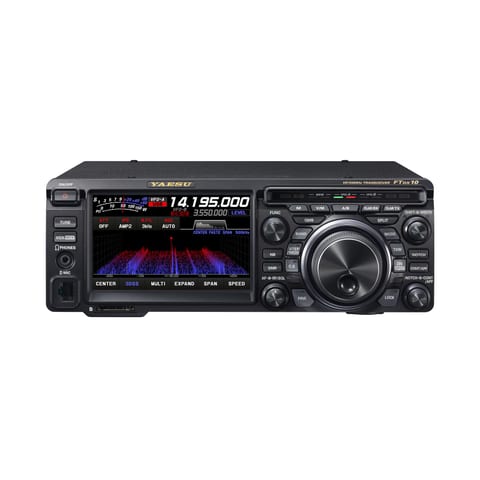
Yaesu FTDX10 HF/6m SDR Transceiver
Amateur (ham)
- 100 W HF and 6 m
- Hybrid SDR receiver with 3D spectrum display
- Color touchscreen, external monitor output
$1,699.95
Yaesu FTDX10 HF/6m SDR Transceiver: View at DX Engineering (opens in a new tab)FlexRadio · HF transceiver
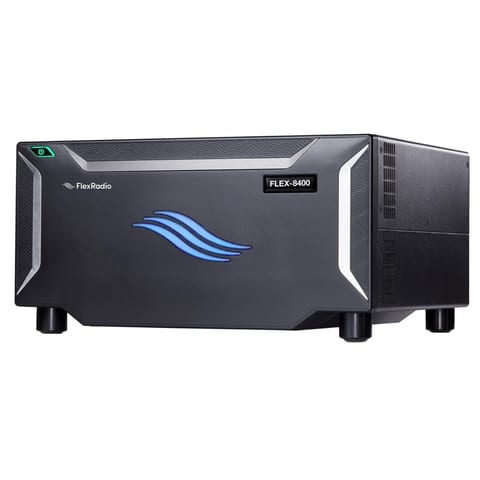
FlexRadio FLEX-8400 HF/6m SDR Transceiver
Amateur (ham)
- 100 W HF and 6 m, dual receive
- SmartSDR software
- Remote operation over LAN
$2,499.00
FlexRadio FLEX-8400 HF/6m SDR Transceiver: View at DX Engineering (opens in a new tab)Icom · HF transceiver
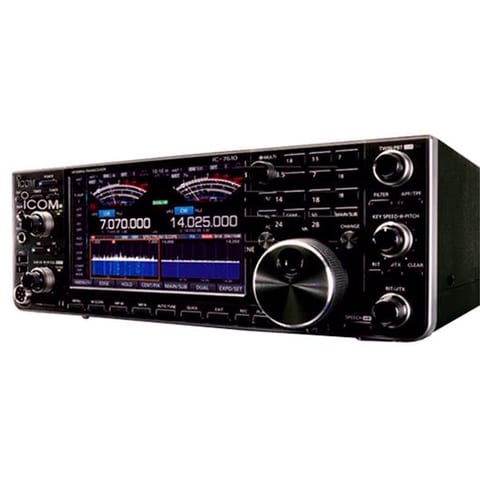
Icom IC-7610 HF/6m SDR Transceiver
Amateur (ham)
- 100 W HF and 6 m
- Dual SDR receivers
- Built-in antenna tuner
$3,999.95
Icom IC-7610 HF/6m SDR Transceiver: View at DX Engineering (opens in a new tab)Yaesu · HF transceiver
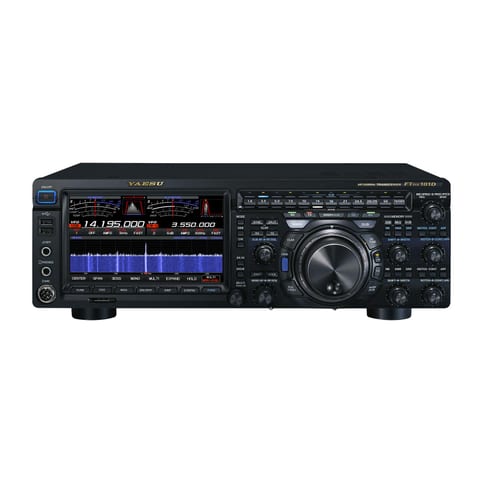
Yaesu FTDX101D HF/6m Transceiver
Amateur (ham)
- 100 W HF and 6 m
- Hybrid SDR receiver, real-time spectrum scope
- Built-in antenna tuner
$4,049.99
Yaesu FTDX101D HF/6m Transceiver: View at DX Engineering (opens in a new tab)Kenwood · HF transceiver
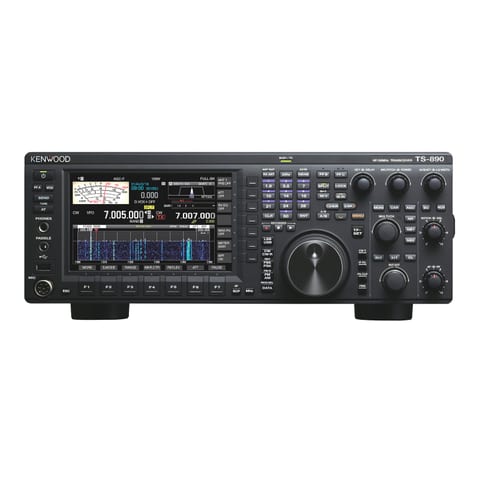
Kenwood TS-890S HF/6m Transceiver
Amateur (ham)
- 100 W HF and 6 m
- 7-inch color display, four filters included
- Built-in antenna tuner, LAN and USB
$4,999.95
Kenwood TS-890S HF/6m Transceiver: View at DX Engineering (opens in a new tab)FlexRadio · HF transceiver
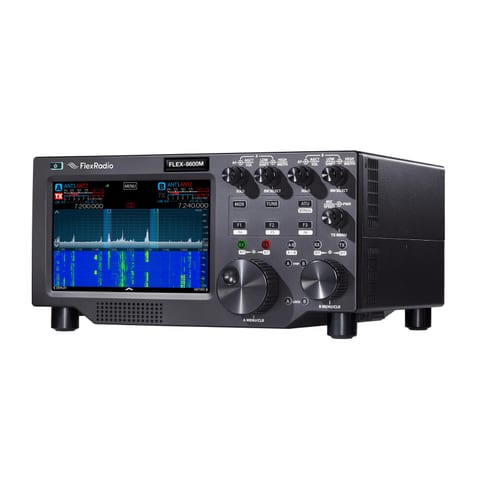
FlexRadio FLEX-8600M HF/6m SDR Transceiver
Amateur (ham)
- 100 W HF and 6 m
- Four independent receivers
- 8-inch touchscreen front panel
$5,899.00
FlexRadio FLEX-8600M HF/6m SDR Transceiver: View at DX Engineering (opens in a new tab)
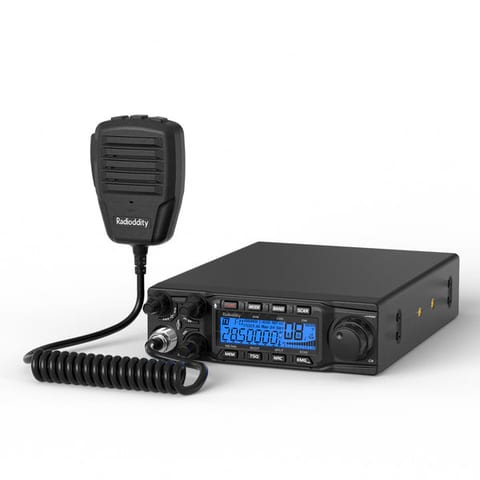
10 meter radios 3
Radioddity · Mobile and base
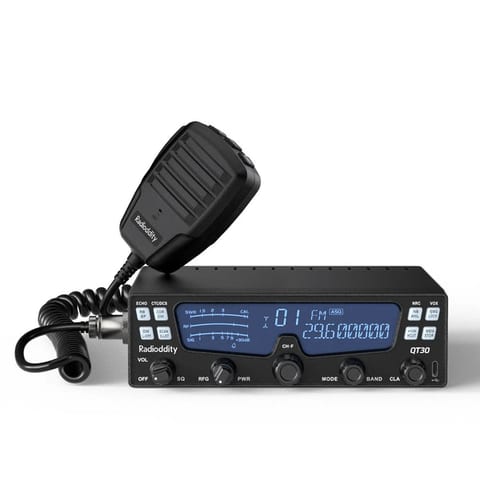
Radioddity QT30 10 Meter Radio
Amateur (ham)
- 30W SSB/AM/FM Mobile Transceiver
- Large LCD
- Built-in SWR Meter
$179.00
Radioddity QT30 10 Meter Radio: View at Radioddity (opens in a new tab)Radioddity · Mobile and base
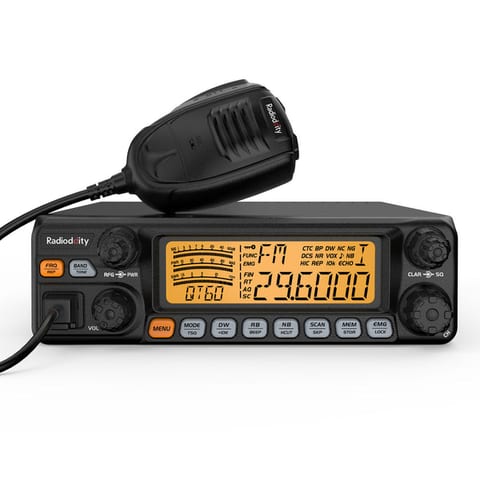
Radioddity QT60 Pro 10 Meter Radio
Amateur (ham)
- Max 60W
- FM AM SSB PA CW
- TX & RX Background Noise Reduction
$259.99
Radioddity QT60 Pro 10 Meter Radio: View at Radioddity (opens in a new tab)Radioddity · Mobile and base
Radioddity QT80 10 Meter Radio
Amateur (ham)
- Max 80W
- FM AM SSB CW PA
- TX & RX Background Noise Reduction
$306.99
Radioddity QT80 10 Meter Radio: View at Radioddity (opens in a new tab)
HF amplifiers 2
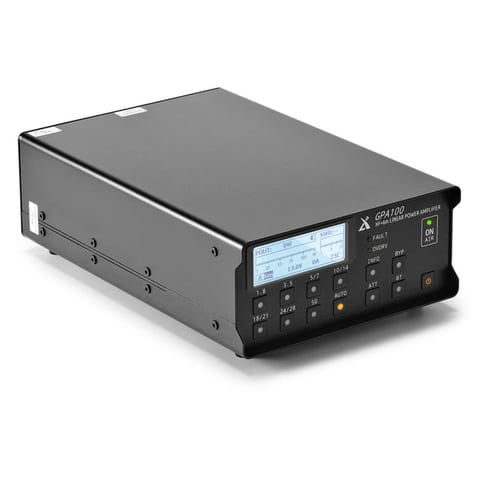
Xiegu · Amplifier
Xiegu GPA100 100W Linear Power Amplifier
Amateur (ham)
- Bluetooth
$433.00
Xiegu GPA100 100W Linear Power Amplifier: View at Radioddity (opens in a new tab)Xiegu · Amplifier
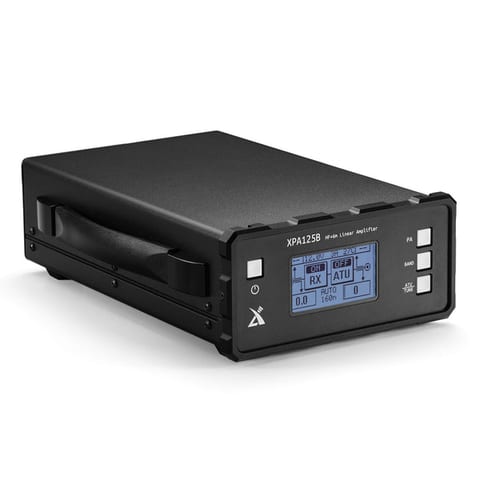
Xiegu XPA125B
Amateur (ham)
- 100W Power Amplifier
- Auto Antenna Tuner
- Large Display Screen
$580.00 $649.00
Xiegu XPA125B: View at Radioddity (opens in a new tab)
HF antennas and tuners 9
Radioddity · Antenna
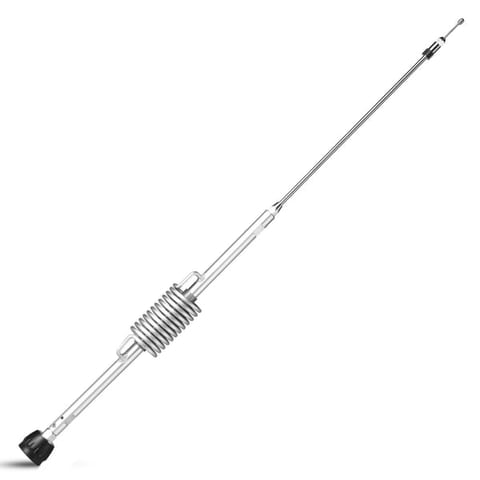
Radioddity CBL-561 Telescopic Antenna
CB, Amateur (ham)
- 25-30mhz
- 10m 11m
- SWR 1.2-1.3
$69.99
Radioddity CBL-561 Telescopic Antenna: View at Radioddity (opens in a new tab)Radioddity · Antenna
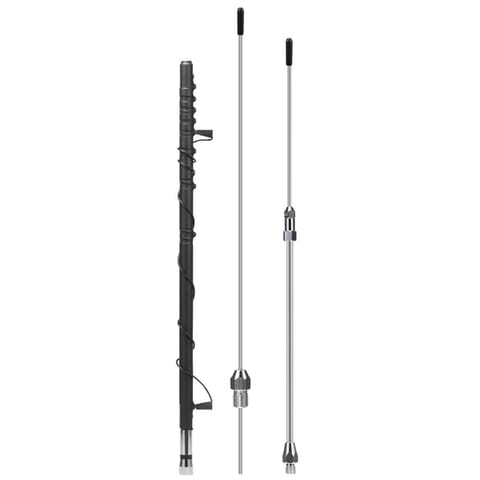
Radioddity HF-008 Portable Telescopic Antenna
Amateur (ham)
- VHF/HF(6M-80M)
- 3.5-50MHz
- SWR 1.0-1.5
$99.00
Radioddity HF-008 Portable Telescopic Antenna: View at Radioddity (opens in a new tab)Radioddity · Antenna
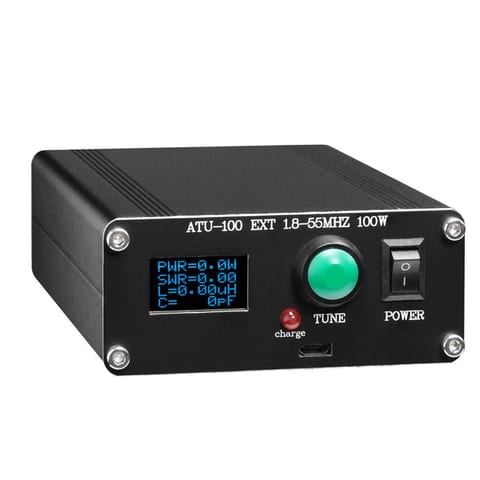
Radioddity ATU-100 Automatic Antenna Tuner
Amateur (ham)
- 1.8–55MHz
- 0.96" OLED Display
- 5000mAh Battery
$99.99
Radioddity ATU-100 Automatic Antenna Tuner: View at Radioddity (opens in a new tab)Chameleon · Antenna
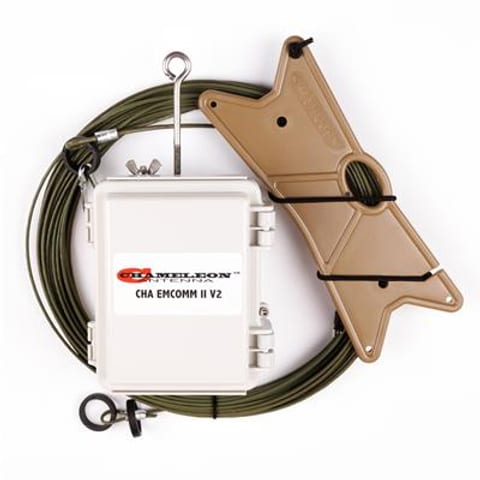
Chameleon EMCOMM II HF Wire Antenna
Amateur (ham)
- 160 to 6 m, 500 W SSB
- 60 ft wire on a winder
- PL-259 connector
$160.00
Chameleon EMCOMM II HF Wire Antenna: View at DX Engineering (opens in a new tab)LDG · Antenna
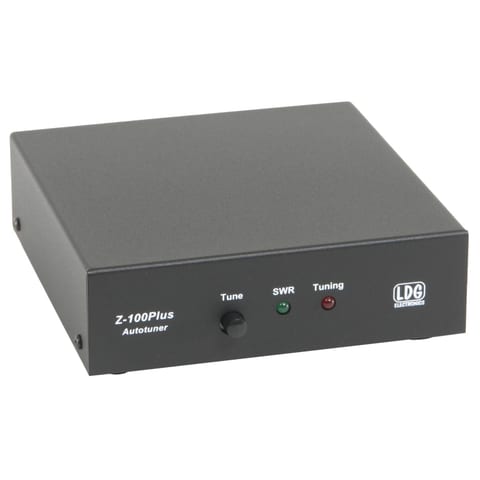
LDG Z-100Plus Automatic HF Antenna Tuner
Amateur (ham)
- 160 to 6 m
- 0.1 to 125 W SSB/CW, 30 W digital
- Desktop automatic tuner
$199.99
LDG Z-100Plus Automatic HF Antenna Tuner: View at DX Engineering (opens in a new tab)Radioddity · Antenna
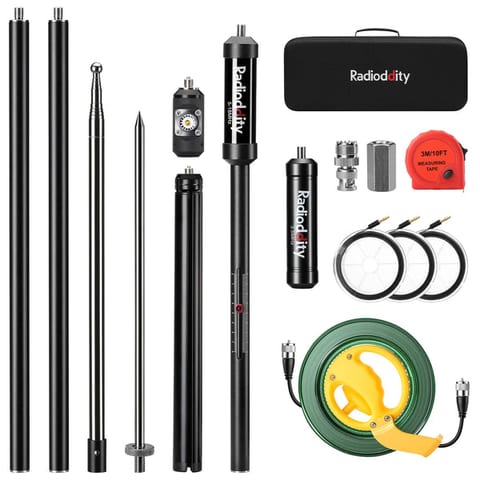
Radioddity HF-010 Portable HF Antenna
Amateur (ham)
- 80m-6m Full Band
- All-Terrain Setup
- SWR 1-1.5
$239.00
Radioddity HF-010 Portable HF Antenna: View at Radioddity (opens in a new tab)LDG · Antenna
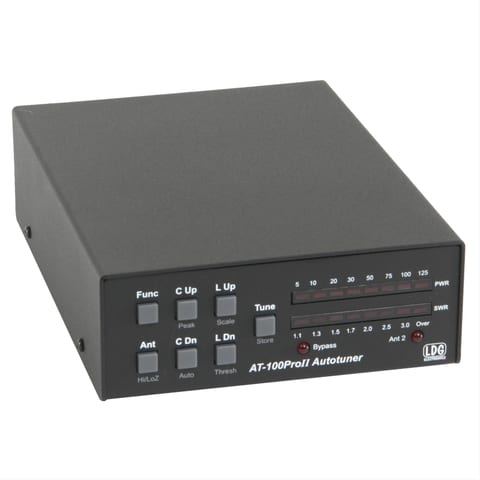
LDG AT-100ProII Automatic HF Antenna Tuner
Amateur (ham)
- 160 to 6 m
- 125 W SSB/CW, 50 W digital
- Two-position antenna switch
$309.99
LDG AT-100ProII Automatic HF Antenna Tuner: View at DX Engineering (opens in a new tab)Chameleon · Antenna
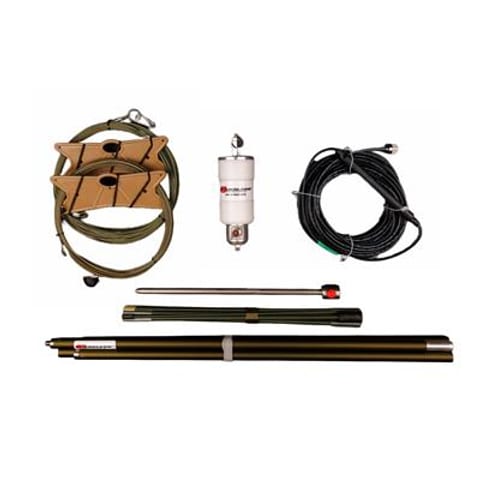
Chameleon MPAS 2.0 Portable HF Antenna
Amateur (ham)
- 160 to 6 m portable antenna
- 73 ft wire, 25 ft counterpoise
- 100 W SSB, 50 W CW
$600.00
Chameleon MPAS 2.0 Portable HF Antenna: View at DX Engineering (opens in a new tab)DX Engineering · Antenna
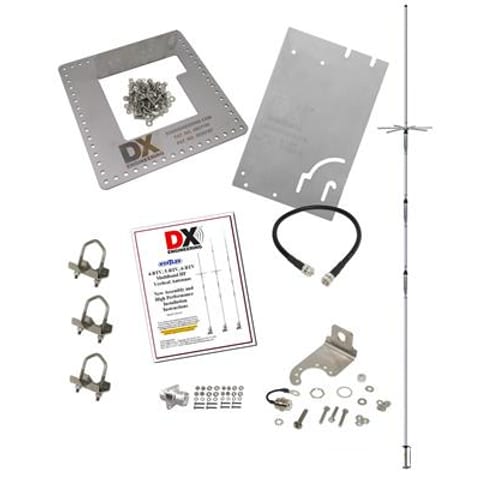
DX Engineering 4BTV HF Vertical Antenna System
Amateur (ham)
- 40, 20, 15 and 10 m vertical
- Radial plate and tilt base included
- SO-239 bracket, cable and hardware
$712.69
DX Engineering 4BTV HF Vertical Antenna System: View at DX Engineering (opens in a new tab)
Shortwave receivers 9
Raddy · Receiver
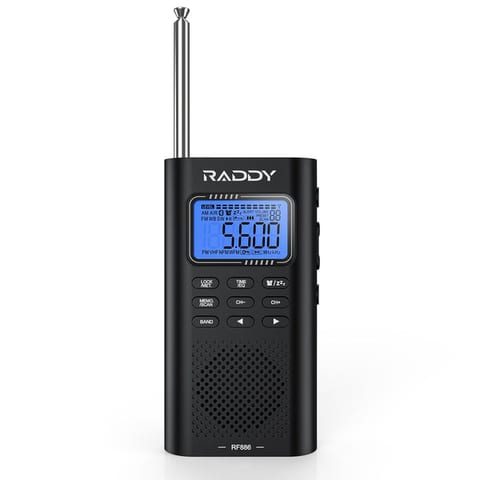
Raddy RF886 Shortwave Radio
- AM/FM/SW/VHF/WB
- Bluetooth Connection
- Rechargeable Pocket Radio
$20.99 $25.99
Raddy RF886 Shortwave Radio: View at Radioddity (opens in a new tab)Radioddity · Receiver
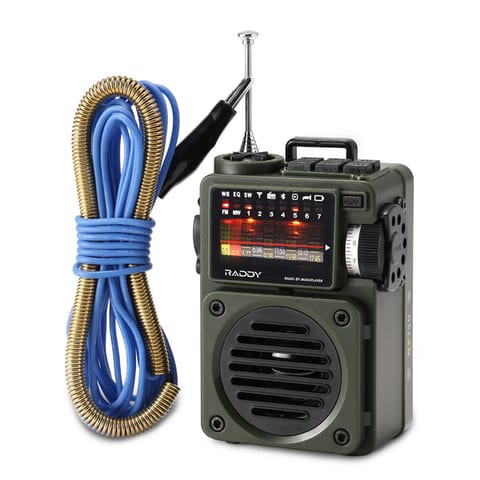
Raddy RF750 Shortwave Radio
- AM/FM/SW/WB
- Portable Digital Rechargeable
- Bluetooth 5.0
$29.59 $36.99
Raddy RF750 Shortwave Radio: View at Radioddity (opens in a new tab)BTECH · Receiver
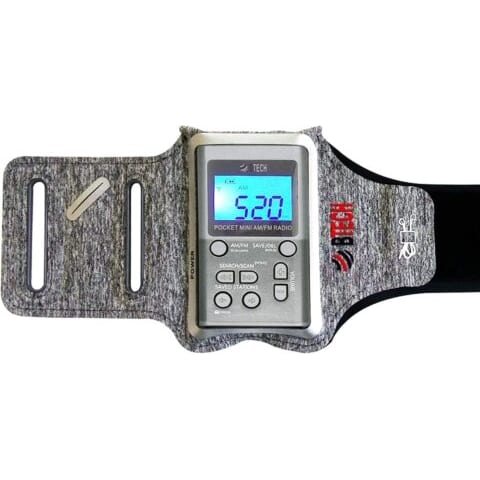
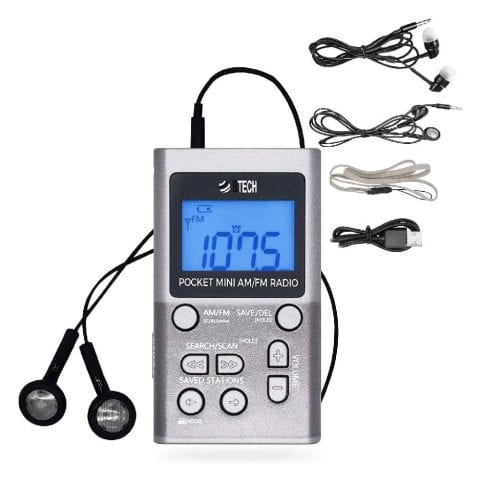
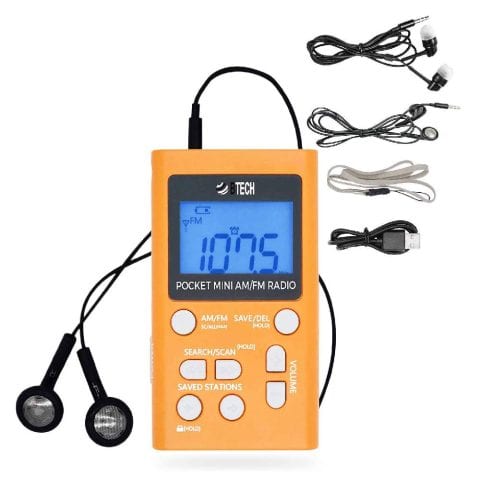
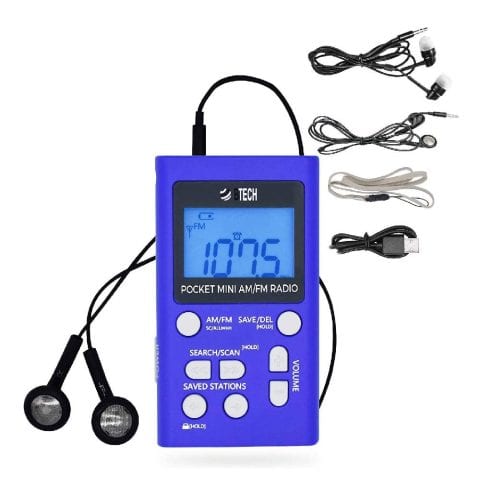
MPR-AB Armband Kit for MPR-AF1
$12.89
MPR-AB Armband Kit for MPR-AF1: View at BTECH (opens in a new tab)Choyong · Receiver
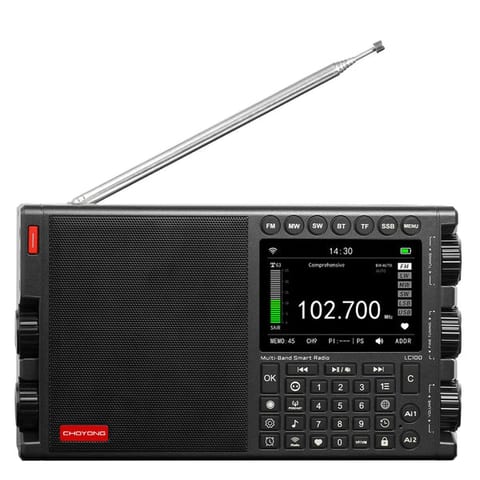
Choyong LC100 Internet & Shortwave Radio
- USB/LSB
- Dual-Band Wi-Fi 6
- 3.5-Inch Display
$349.00
Choyong LC100 Internet & Shortwave Radio: View at Radioddity (opens in a new tab)BTECH · Receiver
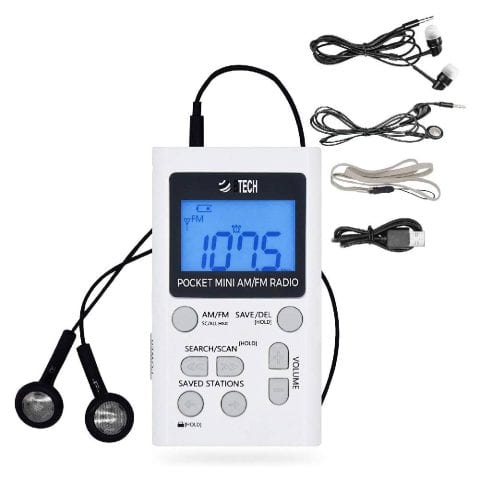
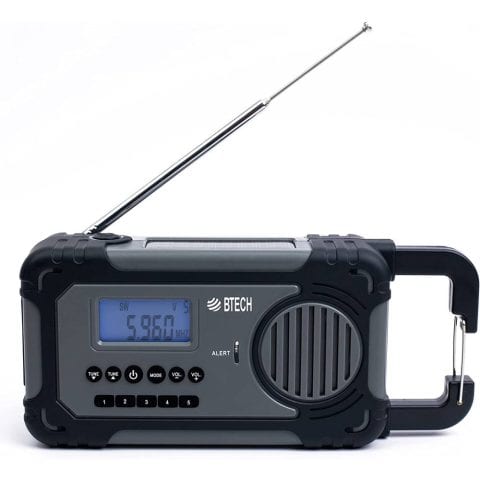
ER-V1 Emergency Radio
- NOAA weather
$29.89 $59.89 · Out of stock
ER-V1 Emergency Radio: View at BTECH (opens in a new tab)
Nothing matches those filters.
Questions
Can I use a 10 meter radio like a CB?
No. 10 meters is a ham band, so transmitting on it needs an amateur license. CB is a separate service on 27 MHz (11 meters) with its own certified radios.
What license do I need for HF?
General covers most HF bands and modes. Technician includes 10 meter single-sideband voice from 28.3 to 28.5 MHz and Morse code on parts of 80, 40, 15 and 10 meters.
What is QRP?
Low-power operating, usually 5 watts or less on HF. Small QRP radios are popular for portable and park operating, where a light radio and battery matter more than power.
Do I need an antenna tuner?
Only if your antenna isn't matched to the band you're on. A tuner lets one antenna, like a random-length wire, work across several bands. Some radios have one built in, including the Icom IC-7610, Yaesu FTDX101D and Kenwood TS-890S here. Others need an external tuner like LDG's.
Product links go to BTECH, Radioddity and DX Engineering and are NodakMesh affiliate links: we earn a commission on orders, at no extra cost to you. Prices and stock as of October 22, 2026; the retailer's page has the current price.