Handheld Radios
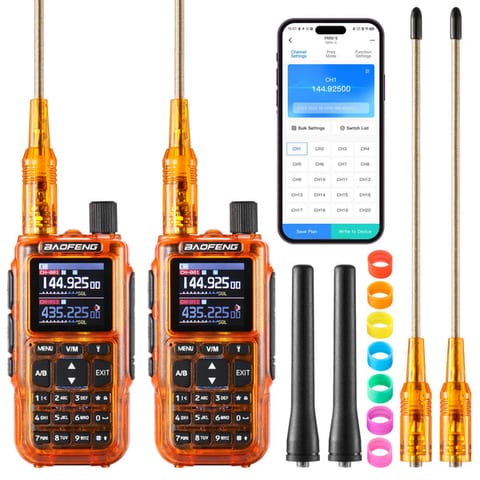
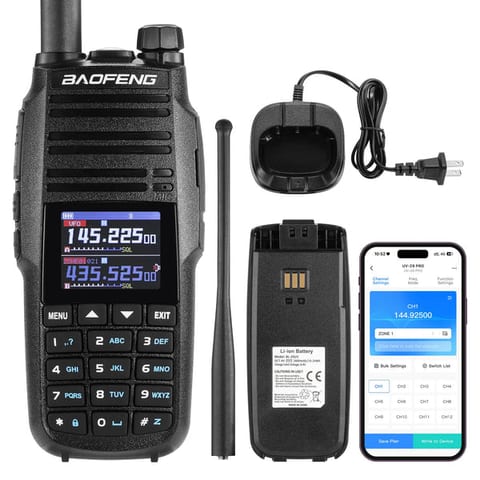
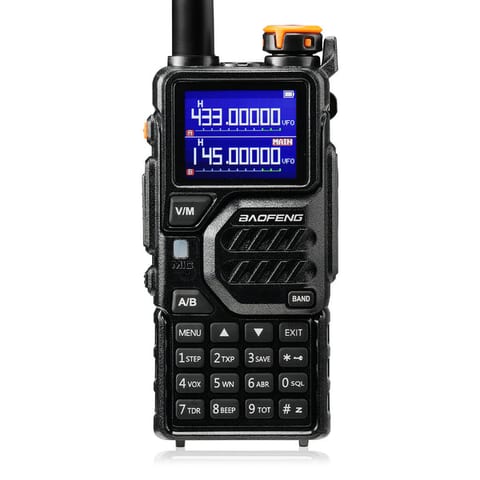
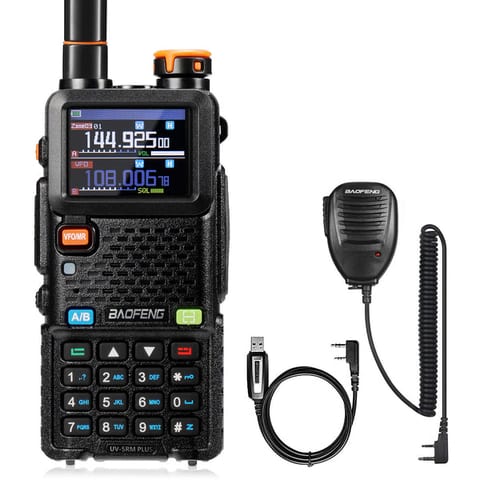
A handheld radio, or HT, is the radio most people start with. Pick by license first. Ham handhelds need a Technician license, GMRS handhelds need a GMRS license, and FRS and MURS radios need none. A radio sold for one service is not legal to use on another, even if it can tune the frequencies.
After that, decide between analog and DMR. Analog is simpler and works on nearly every repeater. DMR adds digital talkgroups but takes more setup. Then filter for the features you care about: GPS for sharing position, Bluetooth for app programming and wireless mics, and an IP rating if the radio lives outside.
Radioddity: use code NODAKMESH at checkout for $15 off.
Start here
Best all-round ham handheld
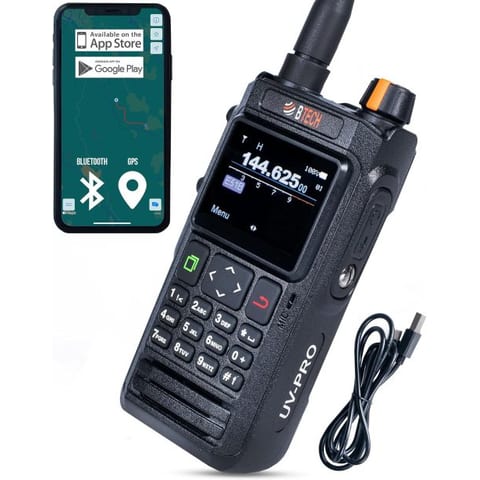
UV-PRO GPS, Bluetooth & APRS Dual-Band Radio
GPS, APRS and Bluetooth app programming in one dual-band handheld, so you can share your position and set it up from your phone.
BTECH · Amateur (ham)
$164.89
UV-PRO GPS, Bluetooth & APRS Dual-Band Radio: View at BTECH(opens in a new tab)Best budget DMR
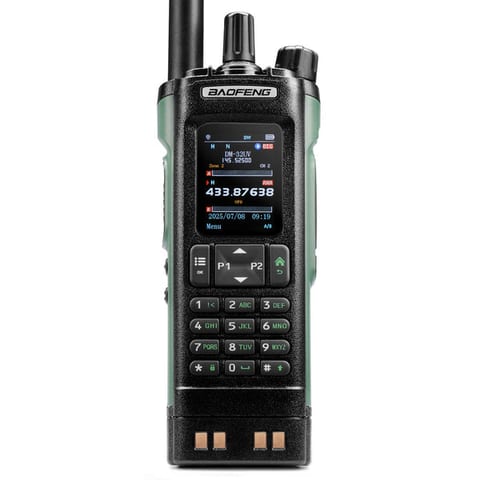
Baofeng DM-32UV 10W DMR Ham Radio
Dual-band DMR and analog with GPS and digital APRS, for well under $100.
Baofeng · Amateur (ham)
$74.99
Baofeng DM-32UV 10W DMR Ham Radio: View at Radioddity(opens in a new tab)
Filters
81 products
Ham handhelds 41
BTECH · Handheld
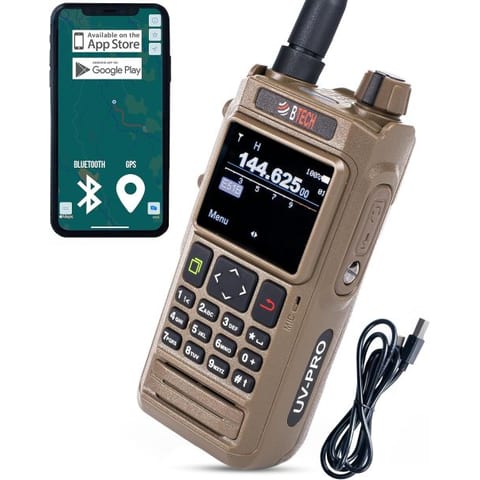
UV-PRO (TAN) IP67 Dual Band VHF/UHF Two-Way Radio
Amateur (ham)
- VHF 2 m, UHF 70 cm
- GPS, Bluetooth, APRS
$164.89
UV-PRO (TAN) IP67 Dual Band VHF/UHF Two-Way Radio: View at BTECH (opens in a new tab)BTECH · Handheld
UV-PRO GPS, Bluetooth & APRS Dual-Band Radio
Amateur (ham)
- VHF 2 m, UHF 70 cm
- 7 W
- GPS, Bluetooth, APRS
$164.89
UV-PRO GPS, Bluetooth & APRS Dual-Band Radio: View at BTECH (opens in a new tab)Baofeng · Handheld
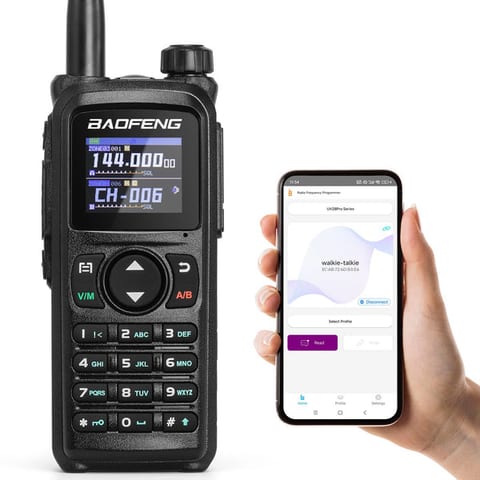
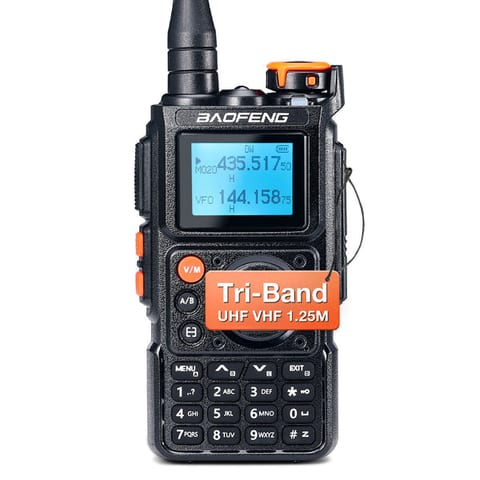
Baofeng UV-28 Plus Tri-band Radio
Amateur (ham)
- 10W
- GPS
- APP Programming
$49.99
Baofeng UV-28 Plus Tri-band Radio: View at Radioddity (opens in a new tab)Baofeng · Handheld
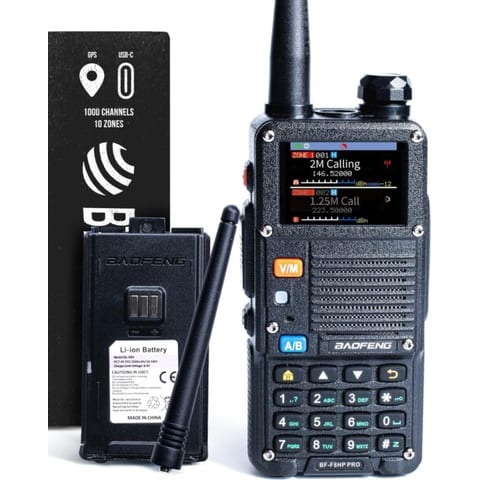
BAOFENG BF-F8HP PRO 10W Tri Band Two-Way Radio, IP54, 1000 Channels, GPS, Aviation RX, USB-C
Amateur (ham)
- VHF 2 m, UHF 70 cm, 220 MHz
- 10 W
- GPS, Waterproof, Airband receive
$62.89
BAOFENG BF-F8HP PRO 10W Tri Band Two-Way Radio, IP54, 1000 Channels, GPS, Aviation RX, USB-C: View at BTECH (opens in a new tab)Baofeng · Handheld
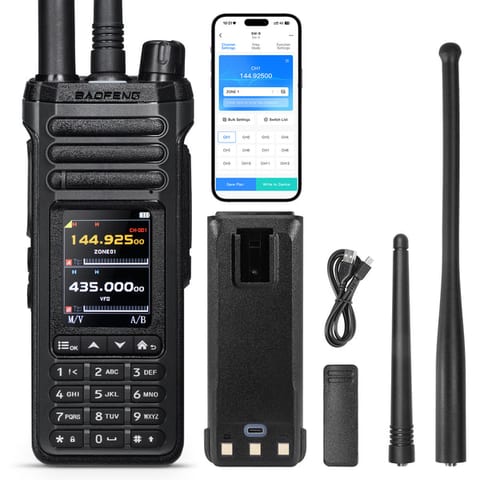
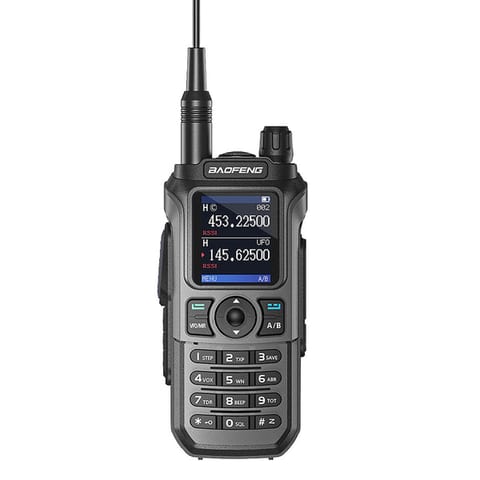
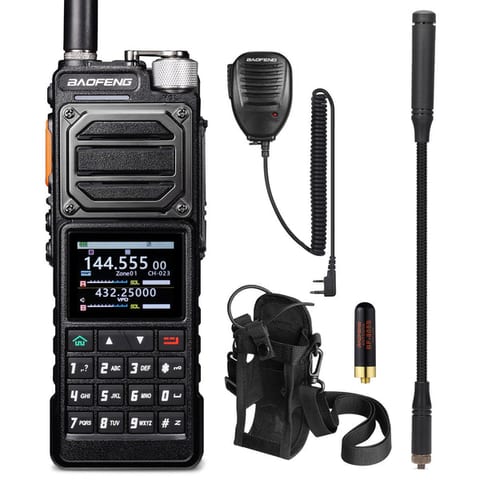
BAOFENG SW-9 10W Tri-Band Walkie Talkie
Amateur (ham)
- SSB HF Receiver
- Airband & NOAA
- Dual BT for App & Audio
$66.99
BAOFENG SW-9 10W Tri-Band Walkie Talkie: View at Radioddity (opens in a new tab)Baofeng · Handheld
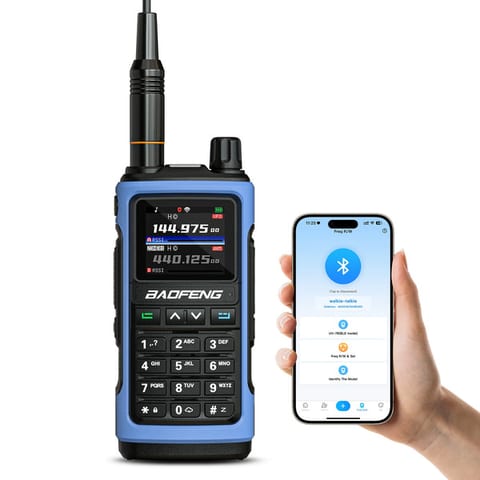
Baofeng UV-7B Handheld Radio
Amateur (ham)
- BT APP Programmable
- 1.77" Color Display
- Aviation & NOAA Receive
$32.99
Baofeng UV-7B Handheld Radio: View at Radioddity (opens in a new tab)Baofeng · Handheld
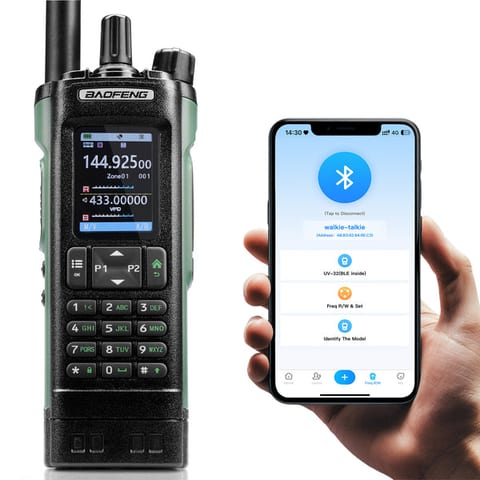
Baofeng UV-32 Ham Radio
Amateur (ham)
- 10W
- Multi-Band
- GPS
$41.99 $49.99
Baofeng UV-32 Ham Radio: View at Radioddity (opens in a new tab)Baofeng · Handheld
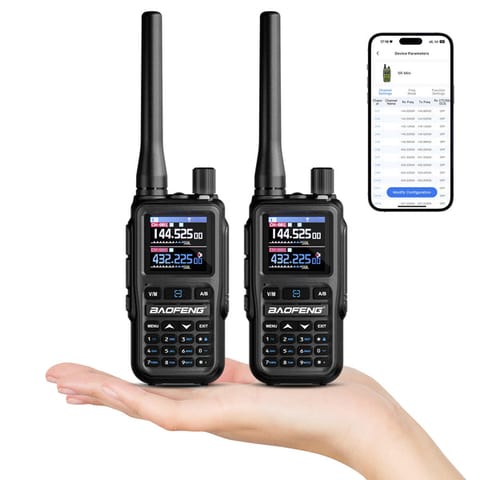
Baofeng MINI-5 Ham Radio 2-Pack
Amateur (ham)
- 5W Dual-Band
- App Programming
- 1.44" Color Screen
$46.99 · 2-pack
Also in 2-packs
Baofeng MINI-5 Ham Radio 2-Pack: View at Radioddity (opens in a new tab)Baofeng · Handheld
BAOFENG UV-29 Pro 10W UHF/VHF Two-Way Radio
Amateur (ham)
- Cross-Band Repeater
- App Programming & BT Headset/PTT
- Airband/NOAA/FM
$59.99
BAOFENG UV-29 Pro 10W UHF/VHF Two-Way Radio: View at Radioddity (opens in a new tab)Baofeng · Handheld
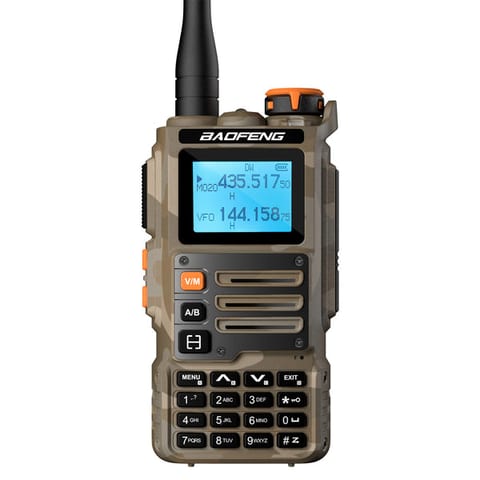
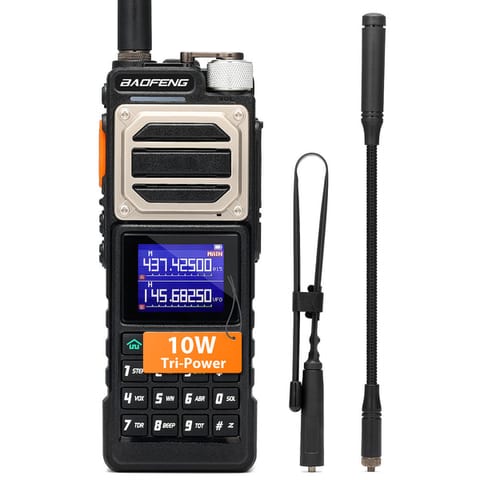
Baofeng K5 Plus Tri-Band Ham Radio
Amateur (ham)
- 10W
- VHF/UHF/1.25M
- Tri-Power
$23.99 $29.99
Baofeng K5 Plus Tri-Band Ham Radio: View at Radioddity (opens in a new tab)Baofeng · Handheld
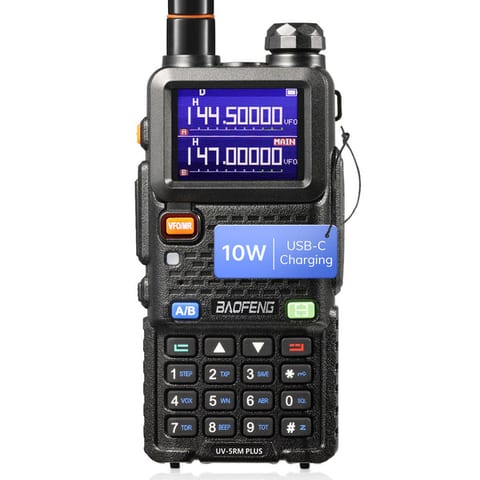
Baofeng UV-5RM Plus GPS Ham Radio Handheld
Amateur (ham)
- 10W
- 1.77 Inch Color Screen
- 640CH 10 Zones
$44.99
Baofeng UV-5RM Plus GPS Ham Radio Handheld: View at Radioddity (opens in a new tab)Baofeng · Handheld
Baofeng UV-5R Mini Dual-band Radio
Amateur (ham)
- 5W/2W
- APP Programming
- Quartz/Amber/Grey
$46.99
Baofeng UV-5R Mini Dual-band Radio: View at Radioddity (opens in a new tab)Baofeng · Handheld
Baofeng K6 Tri-Band Radio
Amateur (ham)
- 5W
- 999 CH
- UHF/VHF/1.25M/NOAA/FM/Air Receiver
$22.79 $23.99
Baofeng K6 Tri-Band Radio: View at Radioddity (opens in a new tab)Baofeng · Handheld
Baofeng K63 Tri-band Radio
Amateur (ham)
- 6W
- 999CH
- VHF/UHF/1.25M/AM/FM/NOAA
$23.99
Baofeng K63 Tri-band Radio: View at Radioddity (opens in a new tab)Baofeng · Handheld
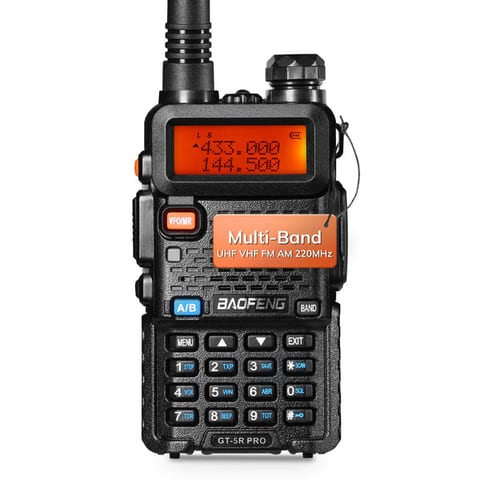
Baofeng GT-5R Pro Ham Radio
Amateur (ham)
- 5W
- Dual Band
- UHF/VHF/FM/Airband/NOAA Receiver
$24.99 $26.99
Baofeng GT-5R Pro Ham Radio: View at Radioddity (opens in a new tab)Baofeng · Handheld
Baofeng UV-5RM Plus
Amateur (ham)
- Multi-Band
- Airband
- 10W
$31.99
Baofeng UV-5RM Plus: View at Radioddity (opens in a new tab)Baofeng · Handheld
Baofeng UV-25 Dual Band Radio
Amateur (ham)
- 10W
- NOAA
- Airband
$39.99 $59.99
Baofeng UV-25 Dual Band Radio: View at Radioddity (opens in a new tab)Radioddity · Handheld
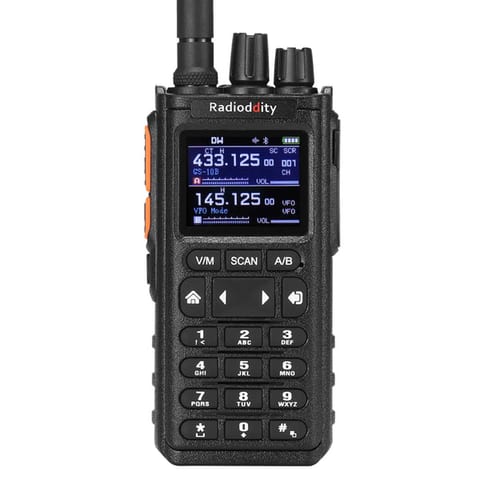
Radioddity GS-10B 8W Ham Radio
Amateur (ham)
- Multi-Band TX & RX
- BT APP Programmable
- Dual PTT
$47.99
Radioddity GS-10B 8W Ham Radio: View at Radioddity (opens in a new tab)Baofeng · Handheld
Baofeng UV-21R 6W Tri-Band Radio
Amateur (ham)
- 1.77'' Color Large Screen
- NOAA
- 999 CHs
$59.99
Baofeng UV-21R 6W Tri-Band Radio: View at Radioddity (opens in a new tab)Baofeng · Handheld
Baofeng UV-25 Plus
Amateur (ham)
- Tri-Band
- 10W
- GPS
$63.99
Baofeng UV-25 Plus: View at Radioddity (opens in a new tab)Radioddity · Handheld
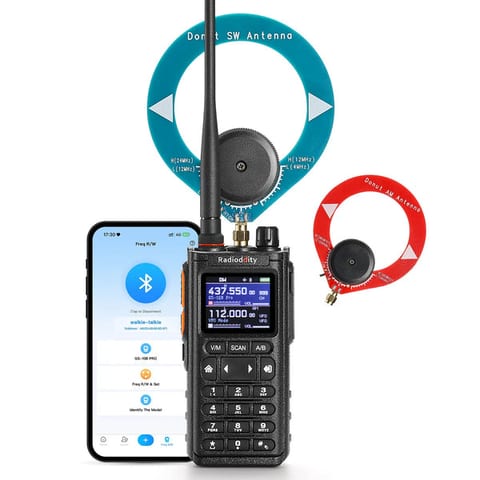
Radioddity GS-10B Pro 8W Ham Radio
Amateur (ham)
- Real-Time Spectrum
- HF SSB CW Airband
- Citizen Band
$69.99
Radioddity GS-10B Pro 8W Ham Radio: View at Radioddity (opens in a new tab)Radioddity · Handheld
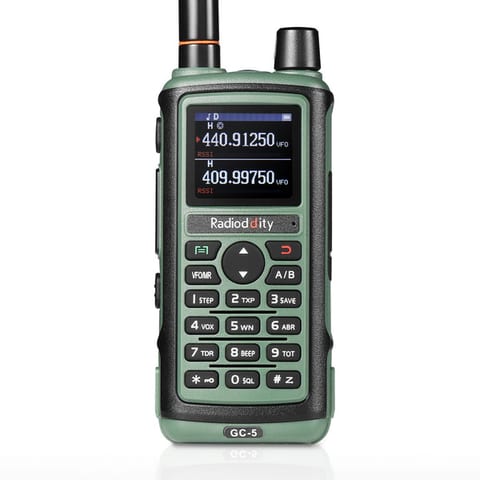
Radioddity GC-5
Amateur (ham)
- Dual Band
- 5W
- 999 CH
$16.99 $26.99
Radioddity GC-5: View at Radioddity (opens in a new tab)Baofeng · Handheld
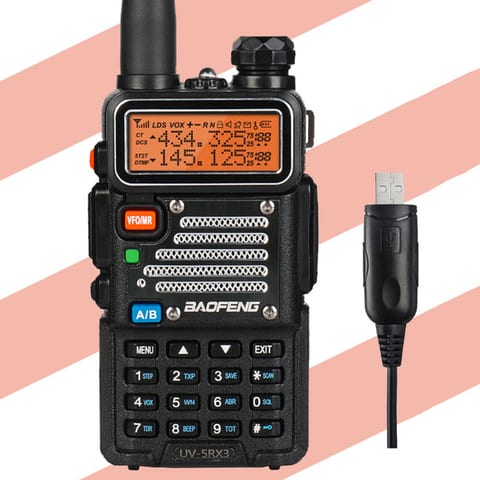
Baofeng x Radioddity UV-5RX3
Amateur (ham)
- Tri-band 1.25M
- Tri-color LCD
- 2 Antennas
$22.39 $27.99
Baofeng x Radioddity UV-5RX3: View at Radioddity (opens in a new tab)Baofeng · Handheld
Baofeng UV-17R
Amateur (ham)
- Dual Band
- 5W
- 999 CH
$22.99
Baofeng UV-17R: View at Radioddity (opens in a new tab)Baofeng · Handheld
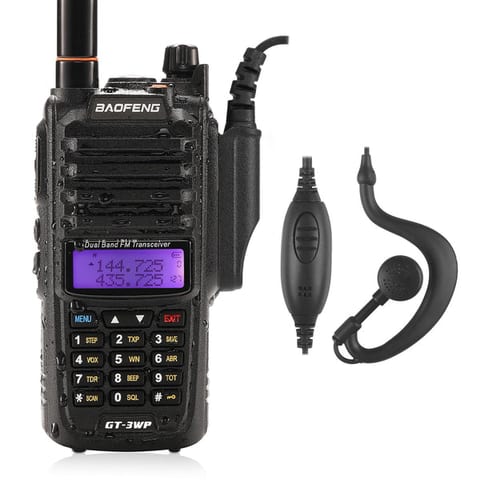
Baofeng GT-3WP
Amateur (ham)
- Dual Band
- 5/3/1W
- IP67 Waterproof
$29.99
Also in 5-packs
Baofeng GT-3WP: View at Radioddity (opens in a new tab)BTECH · Handheld
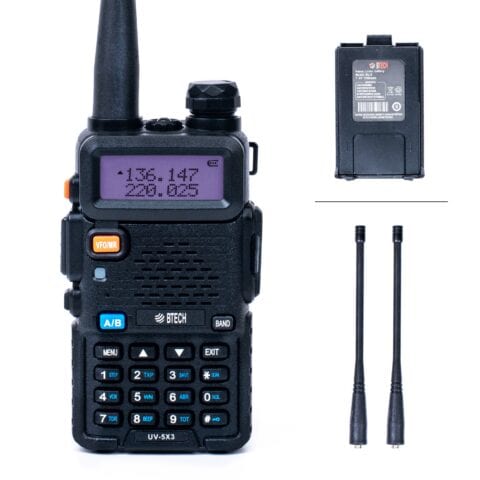
UV-5X3 Tri-Band Amateur Radio
Amateur (ham)
- VHF 2 m, UHF 70 cm, 220 MHz
$44.89
UV-5X3 Tri-Band Amateur Radio: View at BTECH (opens in a new tab)Baofeng · Handheld
Baofeng UV-5RX3 [5 Packs]
Amateur (ham)
- Tri-band 1.25M
- Tri-color LCD
- 2 Antennas
$199.99 · 5-pack
Also in 5-packs
Baofeng UV-5RX3 [5 Packs]: View at Radioddity (opens in a new tab)Baofeng · Handheld
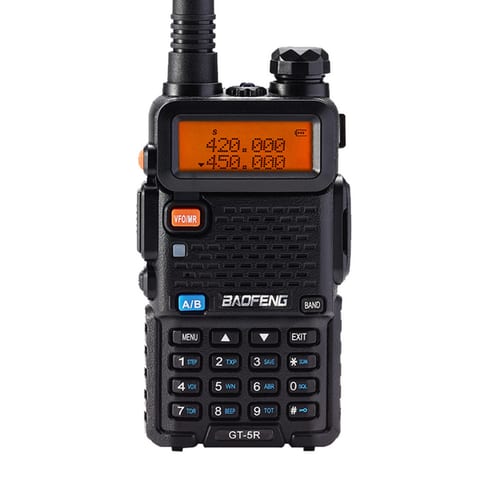
Baofeng GT-5R 5W Dual Band Radio [Upgraded Legal Version of UV-5R]
Amateur (ham)
- VHF 2 m, UHF 70 cm
- 5 W
$22.99
Baofeng GT-5R 5W Dual Band Radio [Upgraded Legal Version of UV-5R]: View at Radioddity (opens in a new tab)Baofeng · Handheld
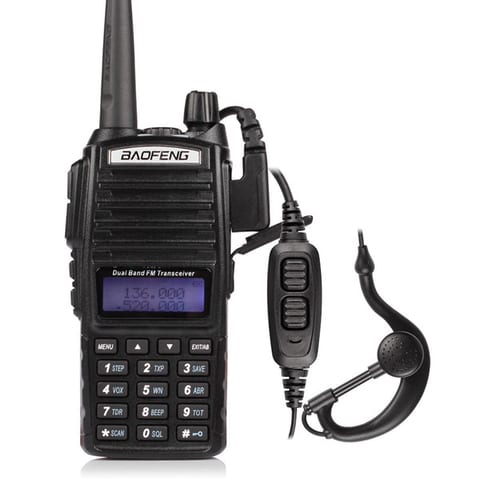
Baofeng UV-82L
Amateur (ham)
- Dual Band
- Dual PTT
- 1W Loud Speaker
$22.99 $24.99
Also in 10-packs
Baofeng UV-82L: View at Radioddity (opens in a new tab)Baofeng · Handheld
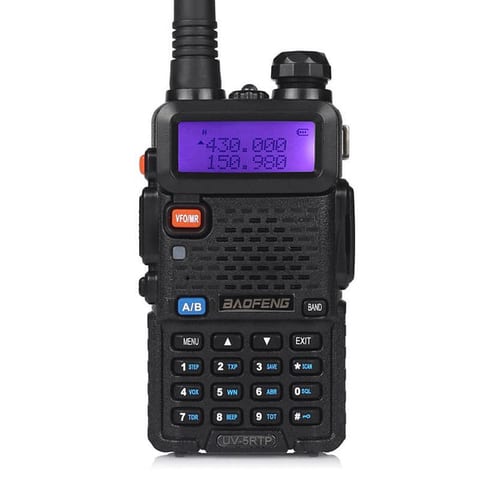
Baofeng UV-5RTP
Amateur (ham)
- Dual Band
- 8W/4W/1W
- Tri-power Two Way Radio
$23.99
Baofeng UV-5RTP: View at Radioddity (opens in a new tab)Baofeng · Handheld
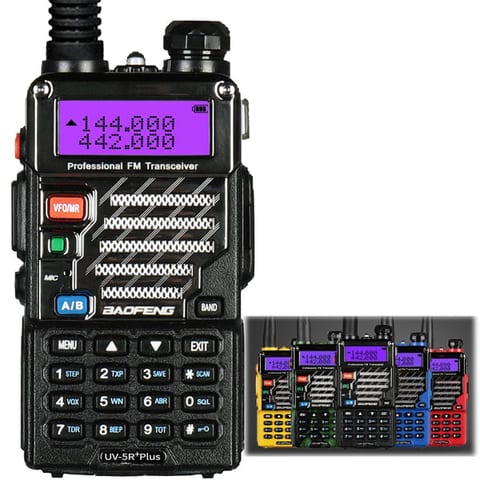
Baofeng UV-5R PLUS [5 Colors]
Amateur (ham)
- DUAL BAND
- 4/1W
- 128CH
$23.99
Baofeng UV-5R PLUS [5 Colors]: View at Radioddity (opens in a new tab)Baofeng · Handheld
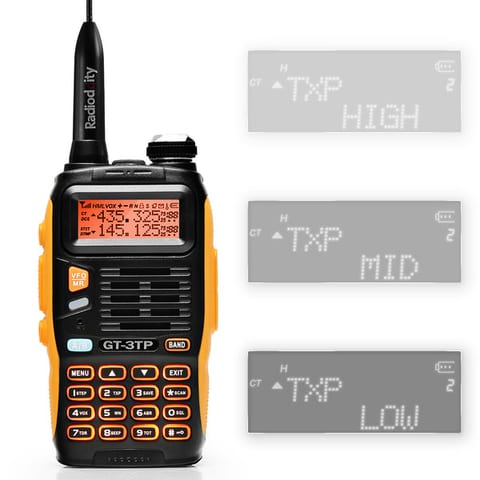
Baofeng GT-3TP Mark III
Amateur (ham)
- Dual Band
- 8W/4W/1W
- Tri-power
$25.99
Baofeng GT-3TP Mark III: View at Radioddity (opens in a new tab)Baofeng · Handheld
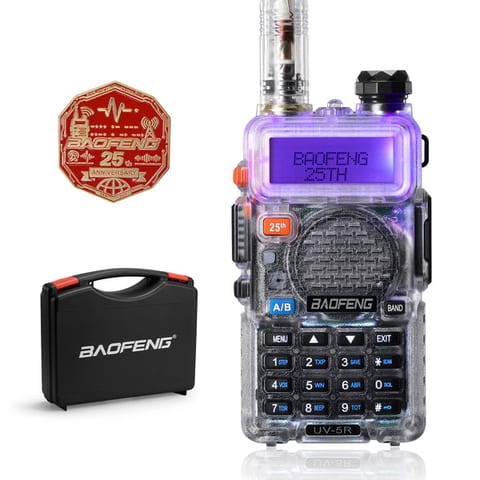
Baofeng UV-5R 25th Anniversary Edition
Amateur (ham)
- VHF 2 m, UHF 70 cm
$29.99
Baofeng UV-5R 25th Anniversary Edition: View at Radioddity (opens in a new tab)Radioddity · Handheld
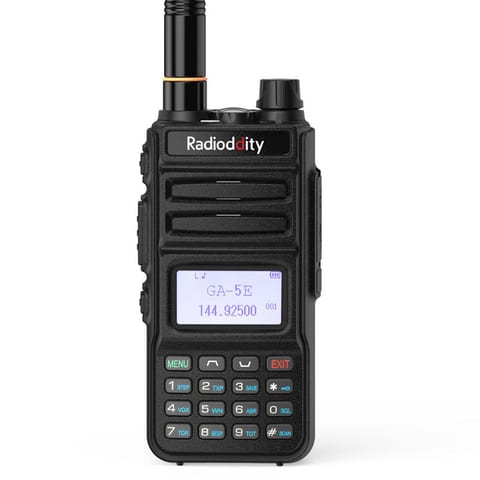
Radioddity GA-5E Radio
Amateur (ham)
- Dual Band
- 5W Analog
- USB-C
$30.36 $49.99
Radioddity GA-5E Radio: View at Radioddity (opens in a new tab)Radioddity · Handheld
Radioddity GA-510
Amateur (ham)
- 10W
- Dual Band
- Tri-power
$39.99
Radioddity GA-510: View at Radioddity (opens in a new tab)Baofeng · Handheld
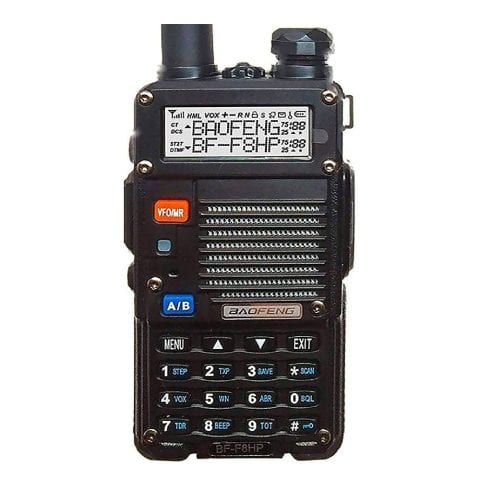
BaoFeng BF-F8HP
Amateur (ham)
- VHF 2 m, UHF 70 cm
- 8 W
$45.00
BaoFeng BF-F8HP: View at BTECH (opens in a new tab)Baofeng · Handheld
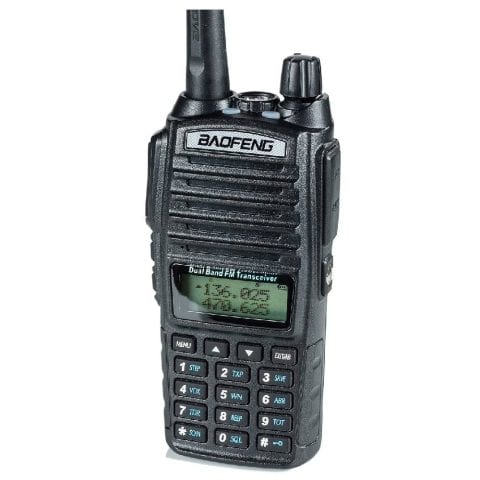
BaoFeng UV-82HP
Amateur (ham)
- VHF 2 m, UHF 70 cm
$50.00
BaoFeng UV-82HP: View at BTECH (opens in a new tab)Baofeng · Handheld
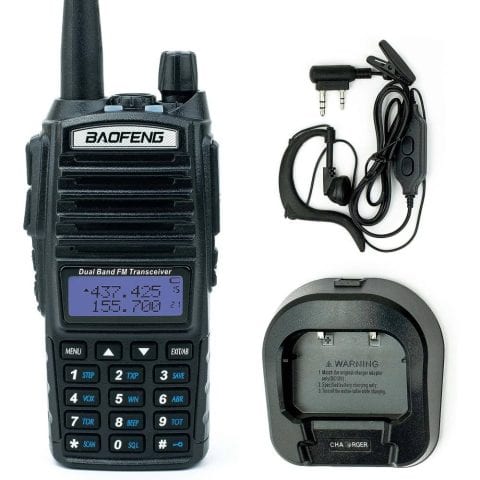
BaoFeng UV-82C
Amateur (ham)
- VHF 2 m, UHF 70 cm
$55.89
BaoFeng UV-82C: View at BTECH (opens in a new tab)TYT · Handheld
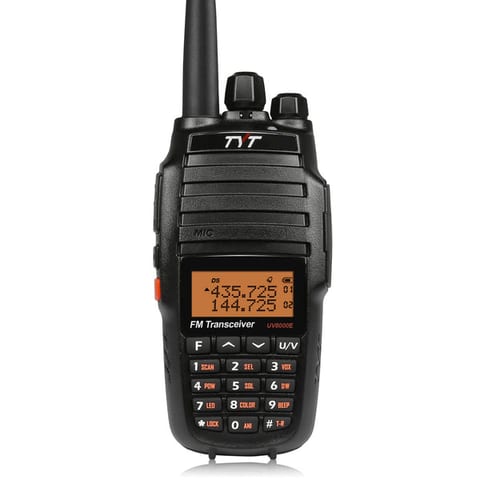
TYT UV8000E
Amateur (ham)
- Dual Band
- 10W
- 3600mAh
$79.99
TYT UV8000E: View at Radioddity (opens in a new tab)Baofeng · Handheld
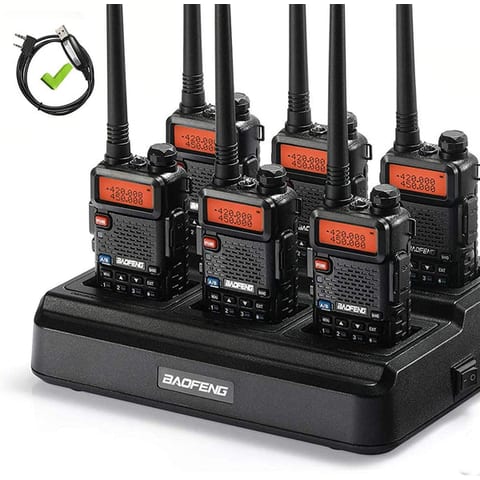
Baofeng GT-5R [6 Packs]
Amateur (ham)
- with Six-way Charger & Cable [100% Legal Version of UV-5R]
$111.99 · 6-pack
Also in 6-packs
Baofeng GT-5R [6 Packs]: View at Radioddity (opens in a new tab)Radioddity · Handheld
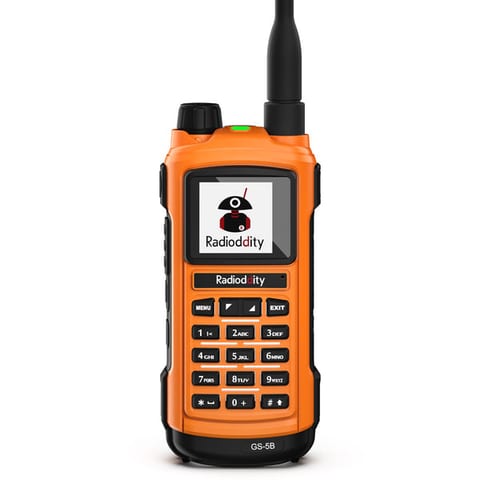
Radioddity GS-5B Analog Radio
Amateur (ham)
- 8W
- Dual PTT
- Bluetooth Programming
$104.99
Radioddity GS-5B Analog Radio: View at Radioddity (opens in a new tab)
DMR handhelds 8
See all DMR handhelds →Baofeng · Handheld · DMR
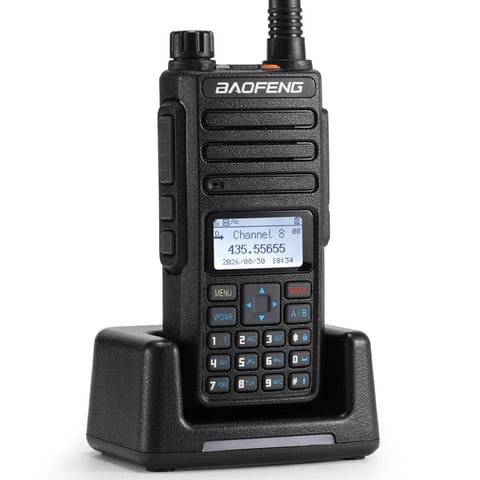
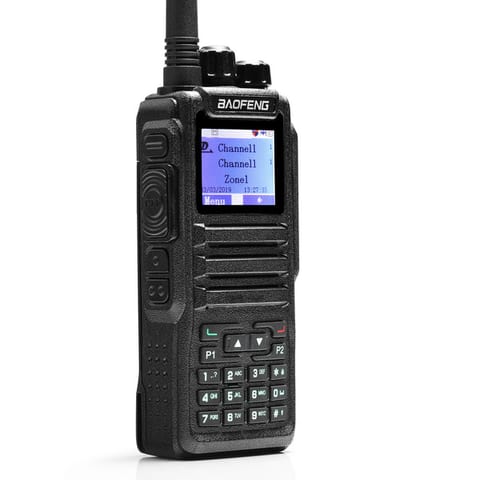
Baofeng DM-32UV 10W DMR Ham Radio
Amateur (ham)
- GPS & Digital APRS
- UHF/VHF/AM/FM/NOAA
- NOAA Alert
$74.99
Baofeng DM-32UV 10W DMR Ham Radio: View at Radioddity (opens in a new tab)BTECH · Handheld · DMR
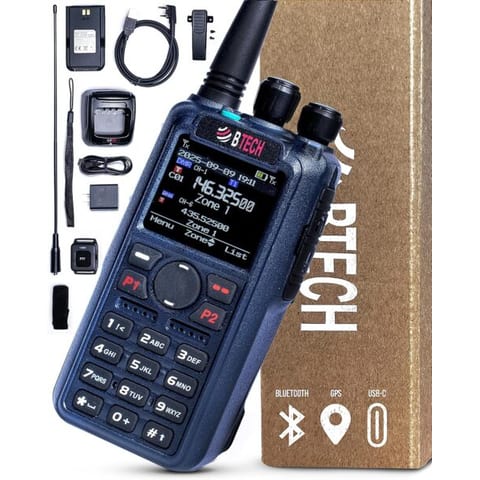
DA-7X2 Digital & Analog Dual Band Two-Way Radio
Amateur (ham)
- VHF 2 m, UHF 70 cm
- 7 W
- GPS, Bluetooth, APRS
$299.89
DA-7X2 Digital & Analog Dual Band Two-Way Radio: View at BTECH (opens in a new tab)BTECH · Handheld · DMR
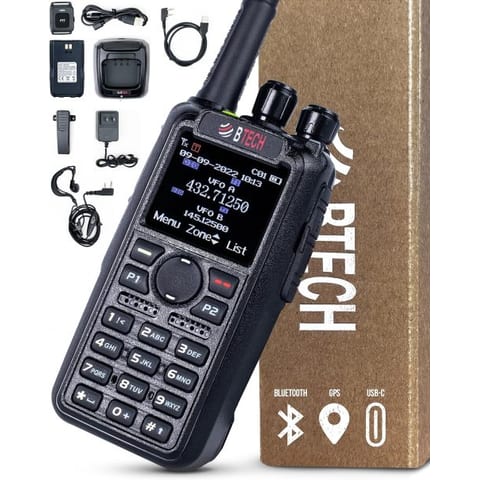
DMR-6X2 PRO DMR & Analog Dual Band Two-Way Radio
Amateur (ham)
- VHF 2 m, UHF 70 cm
- 7 W
- GPS, Bluetooth, APRS
$249.89
DMR-6X2 PRO DMR & Analog Dual Band Two-Way Radio: View at BTECH (opens in a new tab)Baofeng · Handheld · DMR
Baofeng DM-1801 Pro 7W DMR Radio
Amateur (ham)
- Dual Band VHF/UHF & AM Aviation RX
- 4000 CH & 50K Contacts
- Tier II Dual Slot
$59.99
Baofeng DM-1801 Pro 7W DMR Radio: View at Radioddity (opens in a new tab)BTECH · Handheld · DMR
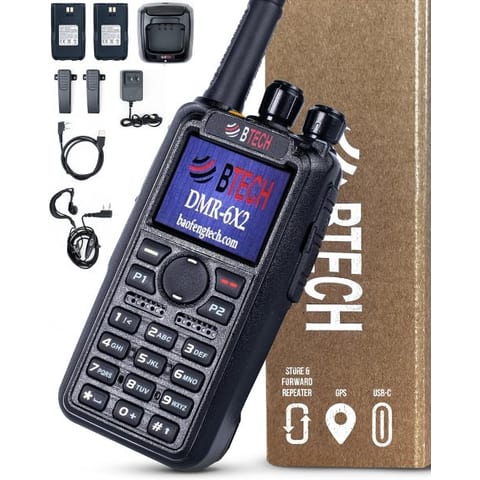
DMR-6X2 DMR & Analog Dual Band Two-Way Radio
Amateur (ham)
- VHF 2 m, UHF 70 cm
- 7 W
- GPS, APRS
$189.89
DMR-6X2 DMR & Analog Dual Band Two-Way Radio: View at BTECH (opens in a new tab)Radioddity · Handheld · DMR
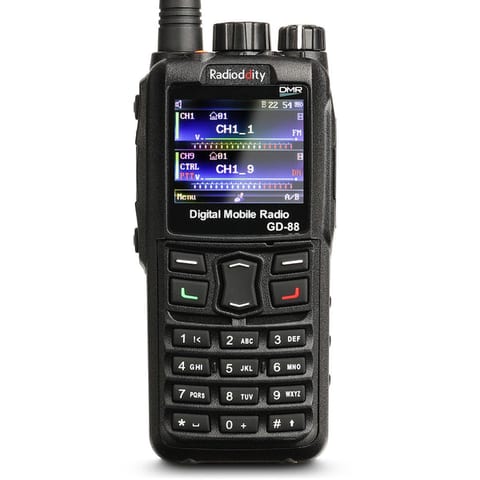
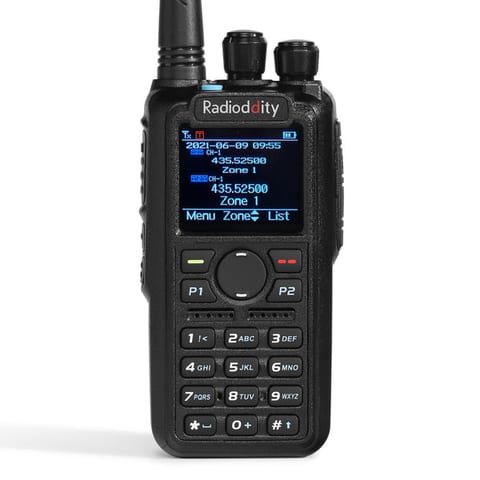
Radioddity GD-88 DMR Radio
Amateur (ham)
- Max 7W
- Analog & Digital
- VHF & UHF
$219.99
Radioddity GD-88 DMR Radio: View at Radioddity (opens in a new tab)Radioddity · Handheld · DMR
Radioddity GD-AT10G
Amateur (ham)
- 10W UHF
- Analog & Digital DMR Tier I & II
- GPS APRS Function
$169.99
Radioddity GD-AT10G: View at Radioddity (opens in a new tab)Baofeng · Handheld · DMR
Baofeng DM-1701 DMR
Amateur (ham)
- Dual Band
- 5W
- 120K Contacts Import
$74.99
Baofeng DM-1701 DMR: View at Radioddity (opens in a new tab)
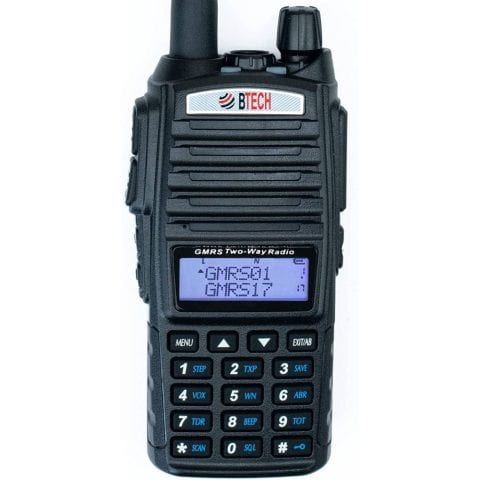
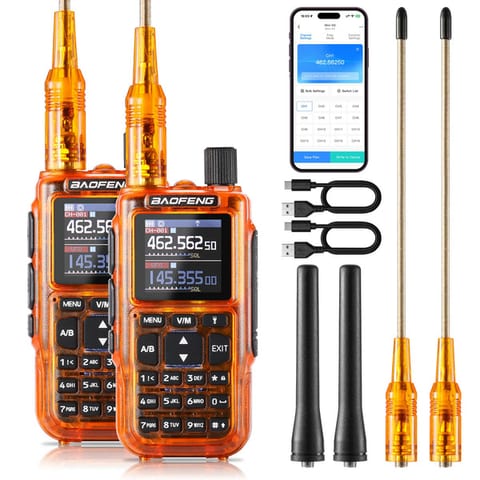
GMRS handhelds 13
See all GMRS handhelds →BTECH · Handheld
GMRS-PRO IP67 Submersible Radio, Bluetooth, App Programmable GMRS Mobile Radio
GMRS
- 5 W
- GPS, Bluetooth, Waterproof
$154.89
GMRS-PRO IP67 Submersible Radio, Bluetooth, App Programmable GMRS Mobile Radio: View at BTECH (opens in a new tab)Radioddity · Handheld
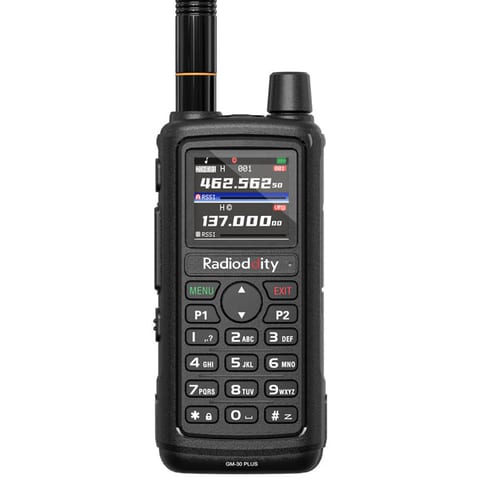
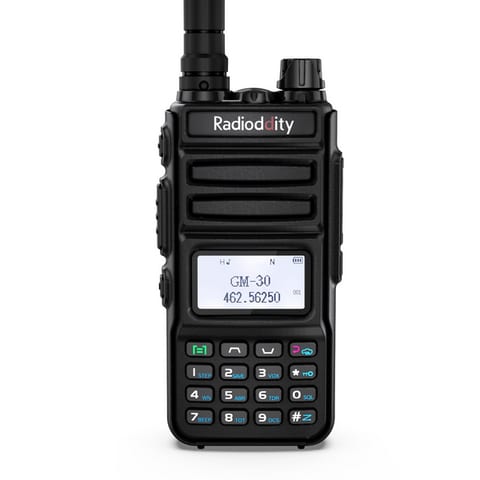
Radioddity GM-30 Plus GMRS Radio
GMRS
- 5W
- 1000 Channels
- GMRS Repeater
$36.99
Radioddity GM-30 Plus GMRS Radio: View at Radioddity (opens in a new tab)Radioddity · Handheld
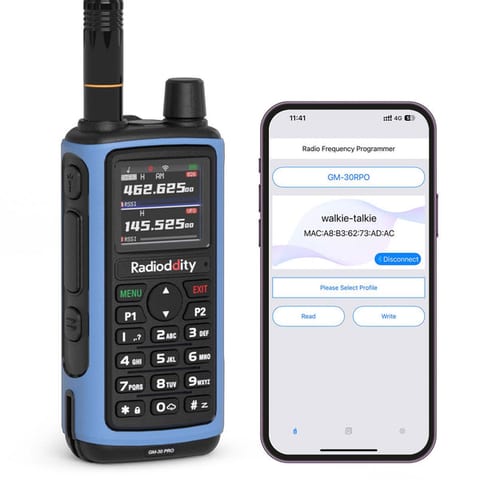
Radioddity GM-30 PRO GMRS Radio
GMRS
- 1.77" TFT Display
- 1,000 Channels
- APP Wireless Programming
$38.99
Radioddity GM-30 PRO GMRS Radio: View at Radioddity (opens in a new tab)Baofeng · Handheld
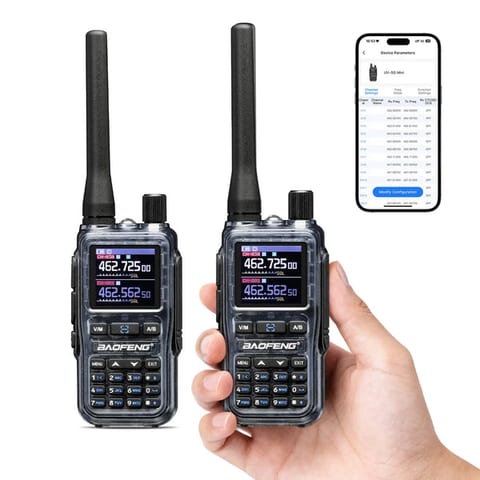
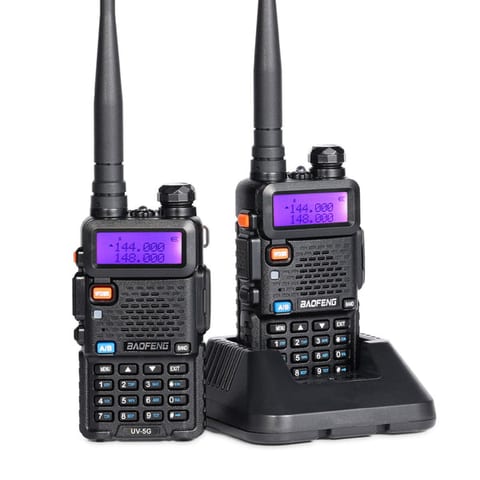
Baofeng UV-5G Mini GMRS Radio
GMRS
- 5W
- APP Programming
- 1.44 Inch Color Screen
$46.99
Baofeng UV-5G Mini GMRS Radio: View at Radioddity (opens in a new tab)Baofeng · Handheld
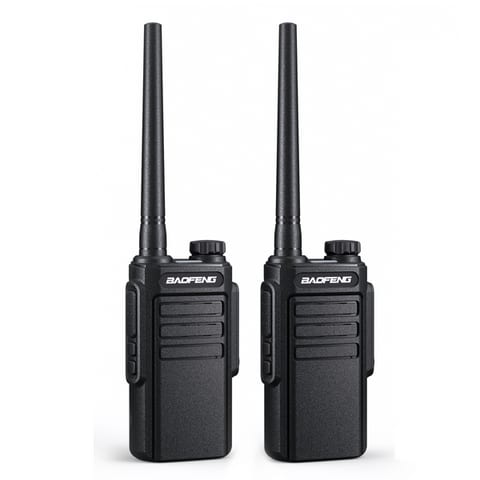
Baofeng MP31 GMRS Radio [1 Pair]
GMRS
- 2W
- IP54 Waterproof
- USB-C Charging
$25.99 $28.99 · 2-pack
Also in 2-packs
Baofeng MP31 GMRS Radio [1 Pair]: View at Radioddity (opens in a new tab)Baofeng · Handheld
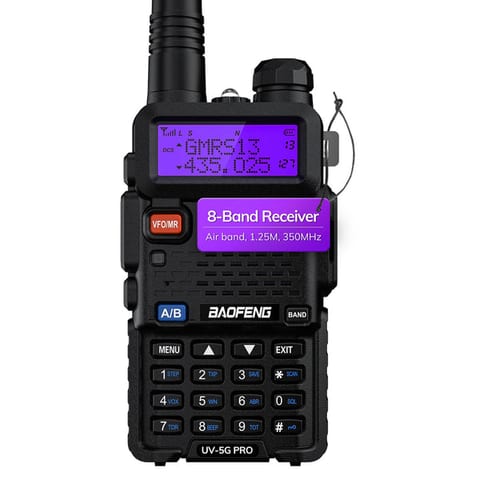
Baofeng UV-5G Pro GMRS Radio
GMRS
- NOAA/UHF/VHF/Airband Receiver
- 5W
- 128 Channels
$28.99
Baofeng UV-5G Pro GMRS Radio: View at Radioddity (opens in a new tab)Baofeng · Handheld
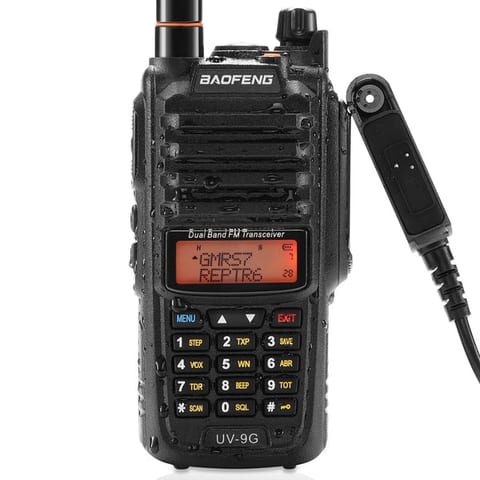
Baofeng UV-9G GMRS Radio
GMRS
- 5W
- IP67 Waterproof
- Repeater Capable
$32.99
Also in 2-packs
Baofeng UV-9G GMRS Radio: View at Radioddity (opens in a new tab)BTECH · Handheld
GMRS-V2 Fully Customizable GMRS Radio
GMRS
- 5 W
- Waterproof, NOAA weather
$44.89
GMRS-V2 Fully Customizable GMRS Radio: View at BTECH (opens in a new tab)Baofeng · Handheld
Baofeng MINI-5G GMRS Radio 2-Pack
GMRS
- 5W Repeater Capable
- App Programming
- 1.44" Color Screen
$58.99 · 2-pack
Also in 2-packs
Baofeng MINI-5G GMRS Radio 2-Pack: View at Radioddity (opens in a new tab)Radioddity · Handheld
Radioddity GM-30 GMRS Radio
GMRS
- 5W
- VHF & UHF Scanner
- NOAA
$24.99
Radioddity GM-30 GMRS Radio: View at Radioddity (opens in a new tab)Baofeng · Handheld
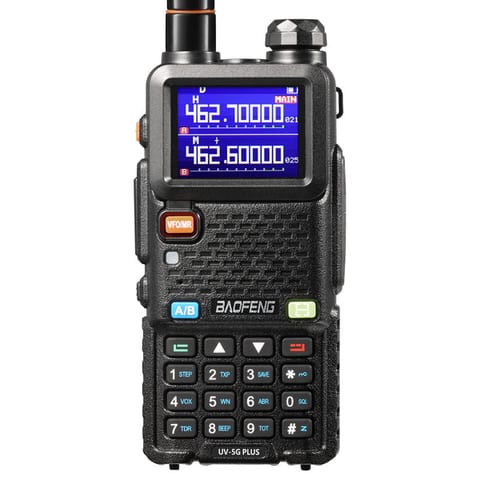
Baofeng UV-5G Plus GMRS Radio
GMRS
- 8W
- 2500mAh USB-C Battery
- Frequency Copy
$29.99 $32.99
Baofeng UV-5G Plus GMRS Radio: View at Radioddity (opens in a new tab)Baofeng · Handheld
Baofeng UV-5X / UV-5G [1 Pair] GMRS Radio
GMRS
- 5W
- Repeater Capable
- NOAA Scan
$43.99 · 2-pack
Also in 2-packs
Baofeng UV-5X / UV-5G [1 Pair] GMRS Radio: View at Radioddity (opens in a new tab)Radioddity · Handheld
Radioddity X1 Pro GMRS Radio
GMRS
- 7W Long Range
- IP67 Waterproof
- Repeater Capable
$55.99 $64.99
Radioddity X1 Pro GMRS Radio: View at Radioddity (opens in a new tab)
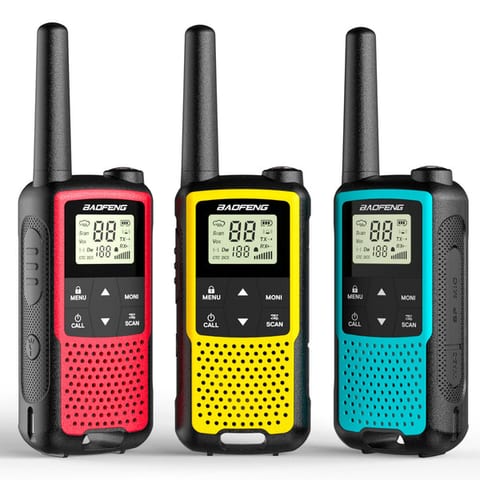
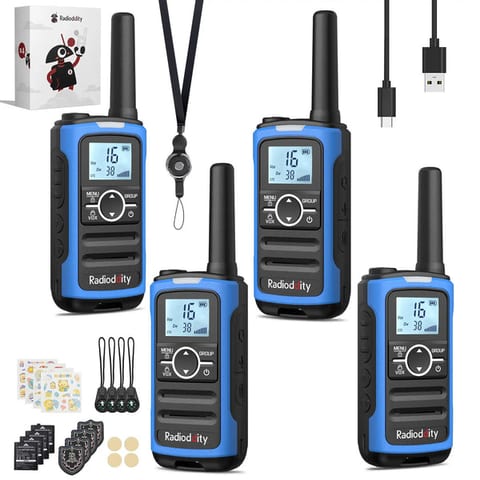
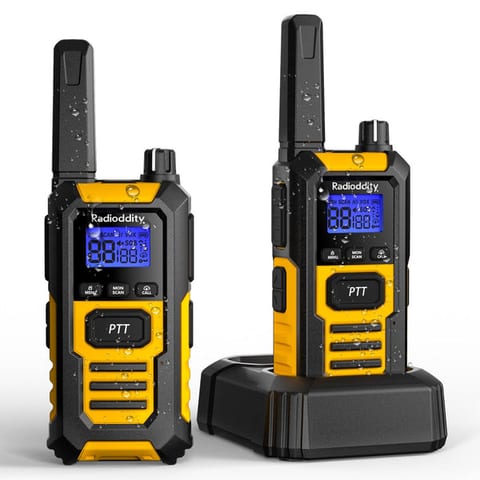
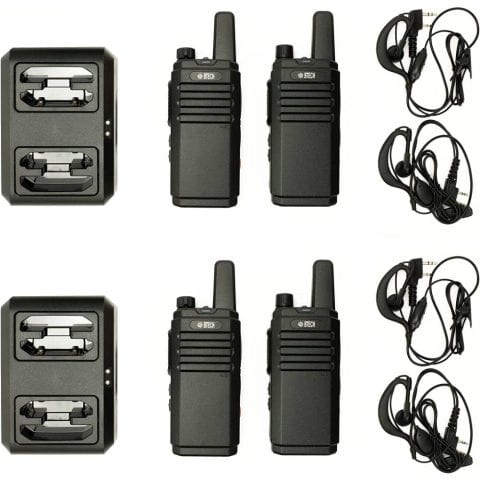
License-free walkie talkies 19
See all license-free walkie talkies →BTECH · Handheld
MURS-V2 200 Fully Customizable Channels MURS Two-Way Radio
MURS
- Waterproof, NOAA weather
$44.89
MURS-V2 200 Fully Customizable Channels MURS Two-Way Radio: View at BTECH (opens in a new tab)Radioddity · Handheld
Radioddity X1 Heavy Duty Radio
FRS
- FRS
- IP67 Waterproof
- Noise Reduction
$94.99
Radioddity X1 Heavy Duty Radio: View at Radioddity (opens in a new tab)BTECH · Handheld
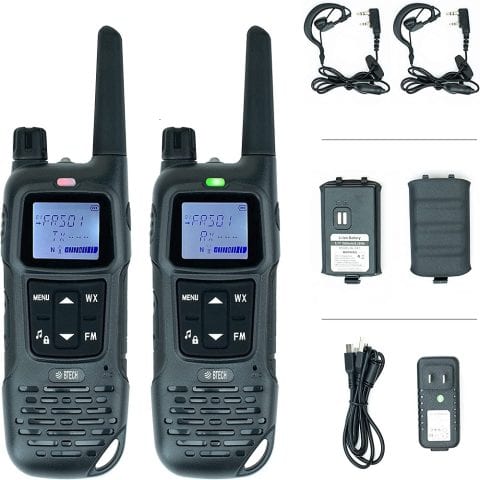
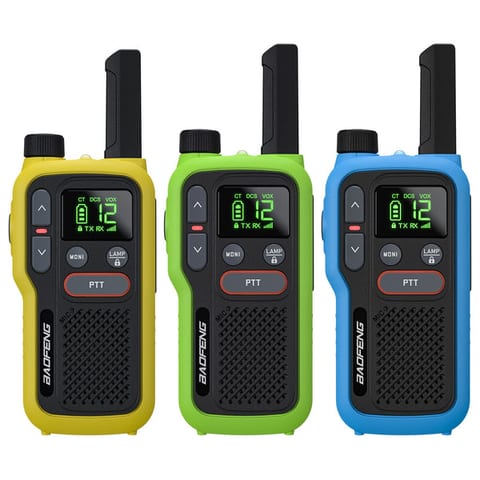
FRS-A1 All-Purpose Walkie Talkies
FRS
- NOAA weather
$30.00 $59.89 · 2-pack
FRS-A1 All-Purpose Walkie Talkies: View at BTECH (opens in a new tab)BTECH · Handheld
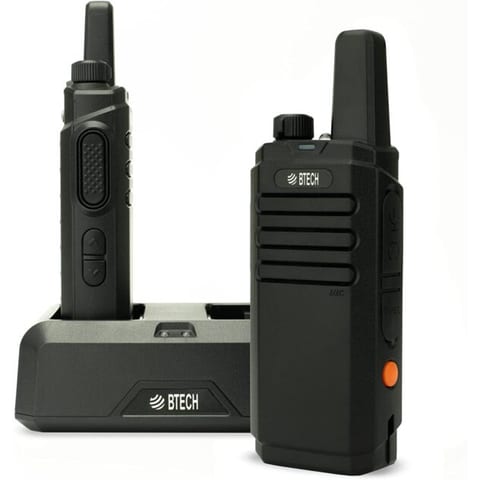
FRS-B1 Business Radio Walkie Talkies — 2-Pack
FRS
- NOAA weather
$39.89 · 2-pack
FRS-B1 Business Radio Walkie Talkies — 2-Pack: View at BTECH (opens in a new tab)Radioddity · Handheld
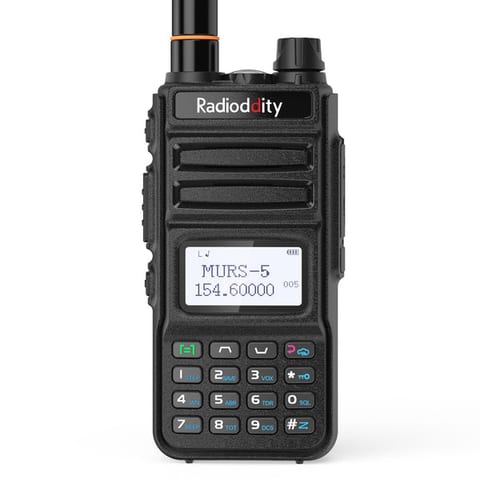
Radioddity MU-5 MURS Radio
MURS
- 250 Channels
- License Free
- USB-C Charging
$39.99
Radioddity MU-5 MURS Radio: View at Radioddity (opens in a new tab)Baofeng · Handheld
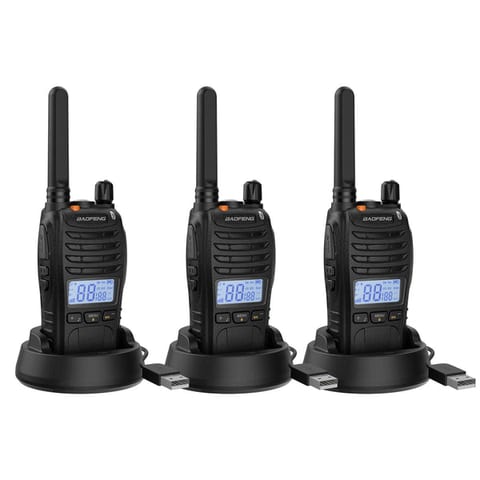
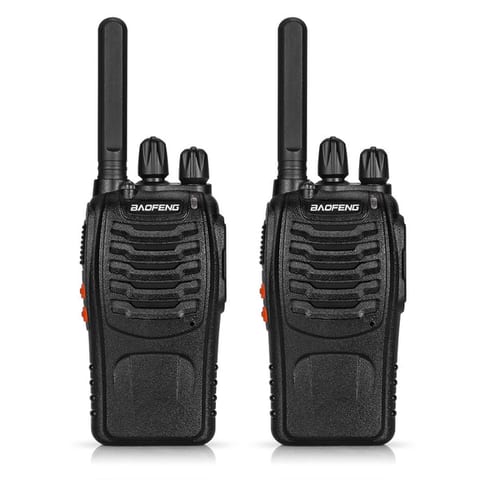
Baofeng BF-88ST Pro [3 Pack] FRS Radio
FRS
- License-Free
- NOAA
- VOX
$41.99 · 3-pack
Also in 3-packs
Baofeng BF-88ST Pro [3 Pack] FRS Radio: View at Radioddity (opens in a new tab)Baofeng · Handheld
Baofeng BF-33C FRS/PMR Radio
FRS
- USB-C Charging
- Dual Watch
- VOX
$45.99 · 3-pack
Also in 3-packs
Baofeng BF-33C FRS/PMR Radio: View at Radioddity (opens in a new tab)Radioddity · Handheld
Radioddity FS-T8/PR-T8 FRS/PMR Radio
FRS
- Long Range with Group Call
- VOX
- NOAA
$56.99 $57.99
Radioddity FS-T8/PR-T8 FRS/PMR Radio: View at Radioddity (opens in a new tab)Radioddity · Handheld
Radioddity HD-1 Heavy Duty Radio
FRS
- FRS/PMR
- IP67 Waterproof
- One-Key Group Call
$69.99
Radioddity HD-1 Heavy Duty Radio: View at Radioddity (opens in a new tab)BTECH · Handheld
FRS-B1 4 Pack FRS Business, Adult Walkie Talkies
FRS
- NOAA weather
$74.89 · 4-pack
FRS-B1 4 Pack FRS Business, Adult Walkie Talkies: View at BTECH (opens in a new tab)Radioddity · Handheld
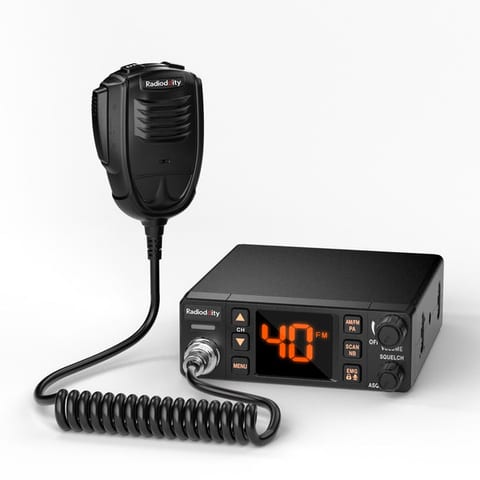
Radioddity CB-500 CB Radio
CB
- 4W
- AM FM
- Noise Reduction
$109.99
Radioddity CB-500 CB Radio: View at Radioddity (opens in a new tab)Radioddity · Handheld
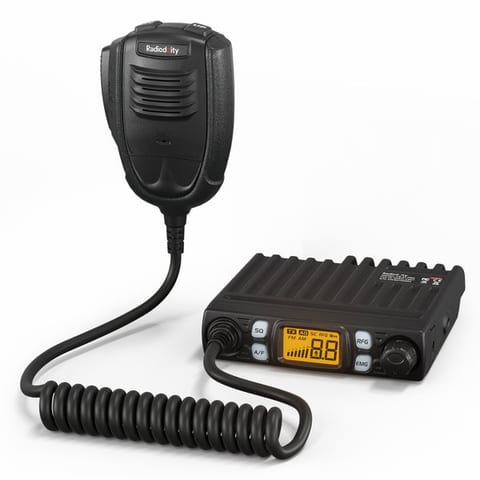
Radioddity CB-900 PRO
CB
- 4W
- AM/FM
- Noise Reduction
$119.99
Radioddity CB-900 PRO: View at Radioddity (opens in a new tab)BTECH · Handheld
FRS-B1 8 Pack FRS Business, Adult Walkie Talkies
FRS
- NOAA weather
$139.89 · 8-pack
FRS-B1 8 Pack FRS Business, Adult Walkie Talkies: View at BTECH (opens in a new tab)Baofeng · Handheld
Baofeng T22 FRS/PMR Radio
FRS
- USB-C Charging
- 1500mAh Battery
- Portable Walkie Talkie for Hotel/Restaurant/Construction
$18.99
Baofeng T22 FRS/PMR Radio: View at Radioddity (opens in a new tab)Baofeng · Handheld
Baofeng GT-18 FRS/PMR Radio
FRS
- License-free
- USB Charging
- Dual PTT
$35.99
Baofeng GT-18 FRS/PMR Radio: View at Radioddity (opens in a new tab)Baofeng · Handheld
Baofeng BF-88ST FRS Radio
FRS
- USB Charging
- Upgraded 888S
- Integrated Antenna
$46.99
Baofeng BF-88ST FRS Radio: View at Radioddity (opens in a new tab)Radioddity · Handheld
Radioddity CB-606 / CB-606 Pro CB Radio
CB
- 4W
- AM/FM/PA
- 2.2’’ LCD Display
$49.00
Radioddity CB-606 / CB-606 Pro CB Radio: View at Radioddity (opens in a new tab)Radioddity · Handheld
Radioddity CB-27 Pro CB Radio
CB
- AM/FM for US
- 4W
- VOX
$59.99
Radioddity CB-27 Pro CB Radio: View at Radioddity (opens in a new tab)Radioddity · Handheld
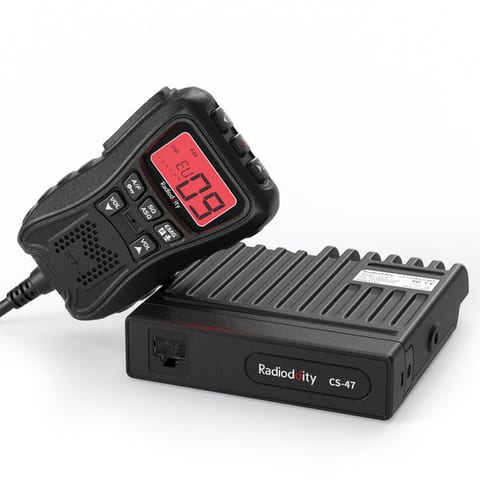
Radioddity CS-47 One Hander CB Radio
CB
- LCD Mic with Built-in Speaker
- 7-Color Backlit
- AM/FM
$94.99
Radioddity CS-47 One Hander CB Radio: View at Radioddity (opens in a new tab)
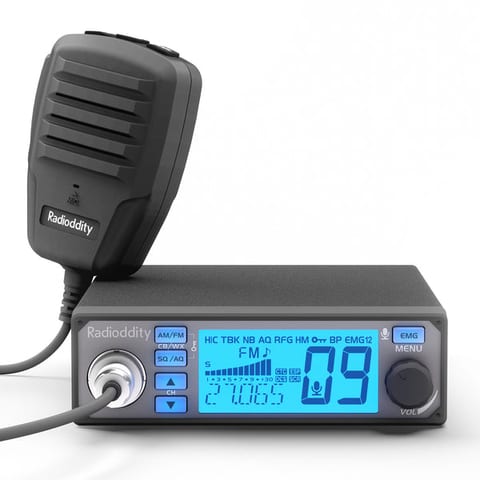
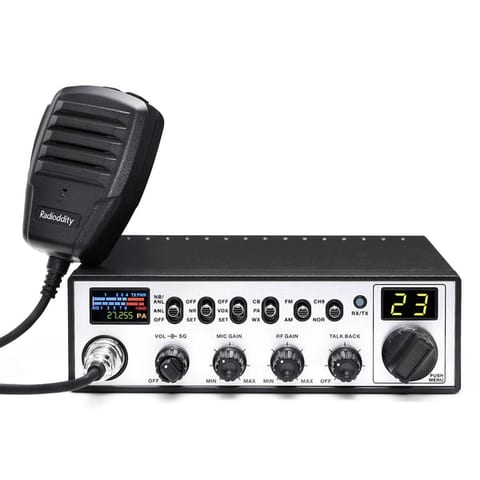
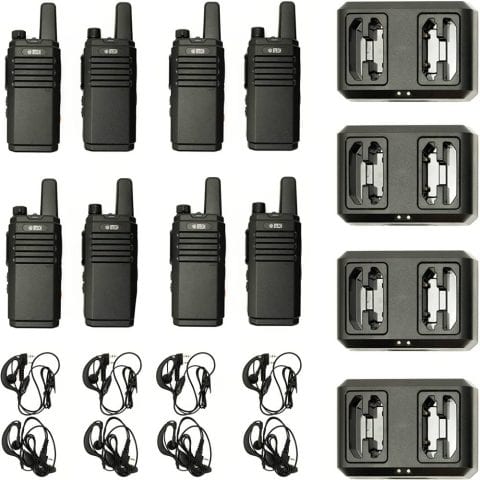
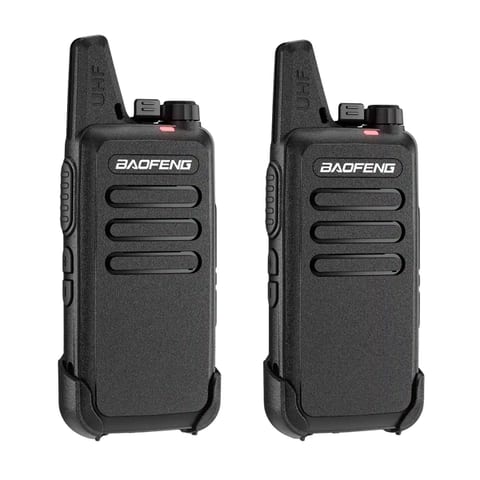
Nothing matches those filters.
Questions
What is a good first handheld ham radio?
A dual-band radio that covers 2 meters (VHF) and 70 centimeters (UHF) reaches almost every local repeater. Baofeng's UV-5R family is the budget starting point. The BTECH UV-PRO adds GPS, Bluetooth, APRS and an IP67 case.
Can I use a ham radio on GMRS or FRS channels?
No. Radios have to be FCC certified for the service they transmit on. A ham handheld is not certified for GMRS or FRS, even if it can tune those frequencies. Buy a GMRS radio for GMRS.
Should I get analog or DMR?
Analog if you want to get on the air quickly; it works with almost every repeater. DMR if there are DMR repeaters near you and you want talkgroups. Many DMR radios also do analog, so you don't have to choose just one.
Product links go to BTECH and Radioddity and are NodakMesh affiliate links: we earn a commission on orders, at no extra cost to you. Prices and stock as of October 22, 2026; the retailer's page has the current price.