What Is a LoRa Mesh Network? The Beginner's Guide
LoRa mesh networks send text and GPS data miles over long-range radio without cell service or internet. Here's how they work and why they matter.
Picture sending a text to a friend while hiking deep in the mountains. No cell service. No internet. That’s what a LoRa mesh network does. This guide explains what they are, how they work, and why they matter for off-grid communication.
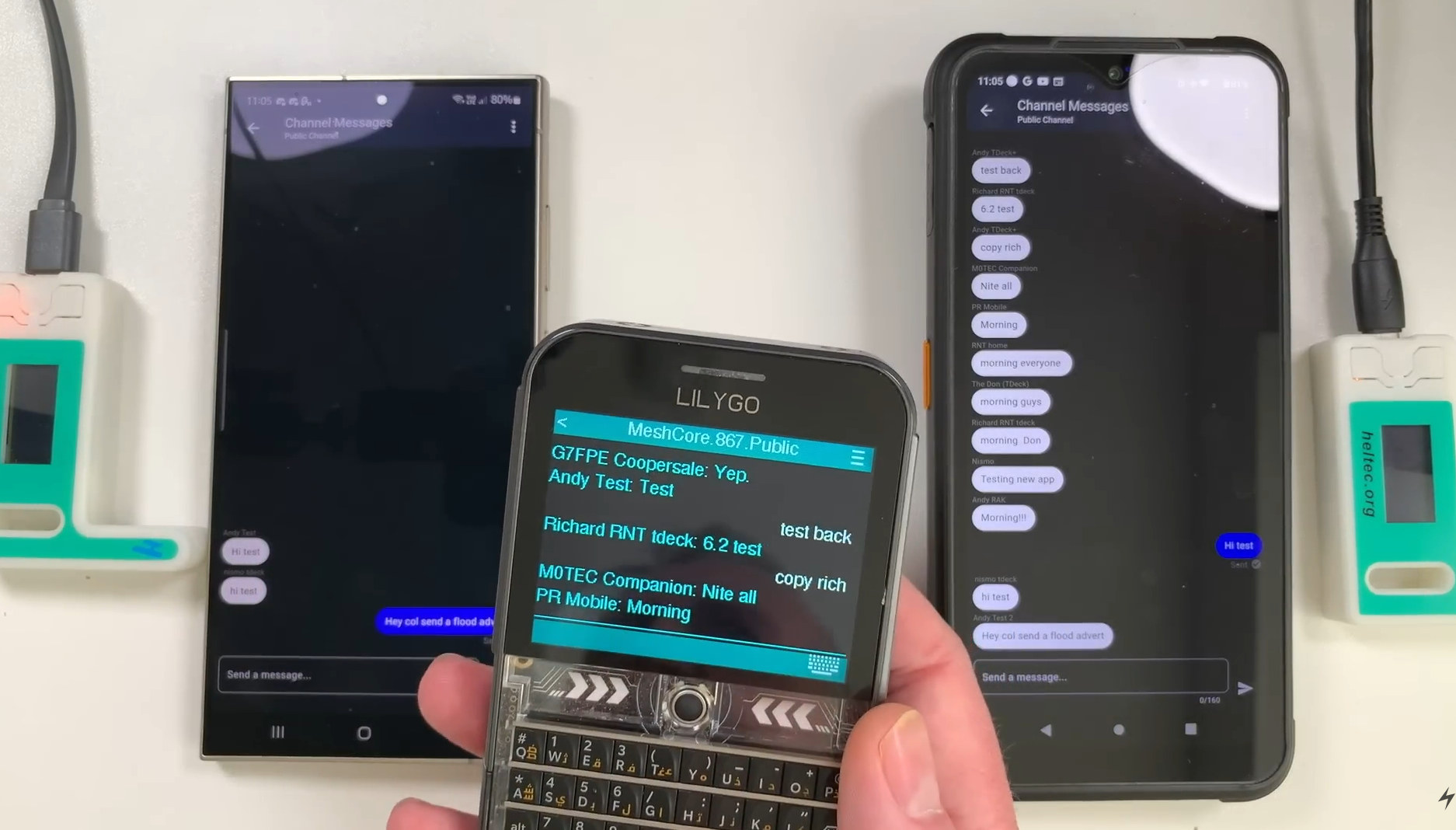 LoRa mesh devices enable off-grid communication without cell towers or internet. Image via CNX Software.
We’ve been running LoRa mesh nodes across our own network for a while. What follows is the beginner version of what we’ve learned. The important stuff in plain language, without the jargon.
Off-Grid Communication Basics
“Off-grid” means operating without standard infrastructure like cell towers, Wi-Fi, or the power grid. Off-grid communication technologies let you stay connected when traditional networks are down or unavailable. A remote camping trip. An emergency when cell towers are overloaded. Off-grid messaging lets you reach others without any existing network.
LoRa: Long-Range, Low-Power Radio
LoRa (short for “Long Range”) is a wireless technology known for exceptional range and minimal power usage. LoRa devices transmit small amounts of data (text messages or GPS coordinates) across several kilometers while using very little battery. Unlike walkie-talkies or ham radios, LoRa operates in unlicensed radio bands in most regions, so you don’t need a special license. That makes it affordable and accessible for personal and hobby projects.
The catch is that LoRa sends data slowly and in tiny packets. You won’t stream videos over LoRa. It handles text messages, sensor readings, and location data well. Even with obstacles like trees or hills, LoRa signals often reach farther than Wi-Fi or Bluetooth. In open areas with line-of-sight (hilltop to hilltop), range of a few miles is common, and more is possible under ideal conditions. LoRa lets you cover distance without draining your battery, which is essential for off-grid use.
What Is a Mesh Network?
A mesh network is a network where each device (or “node”) connects to multiple other devices, not just a single central hub. Messages hop from device to device to reach their destination. If one path is blocked or a node goes offline, the message tries another path. This self-healing design means there’s no single point of failure.
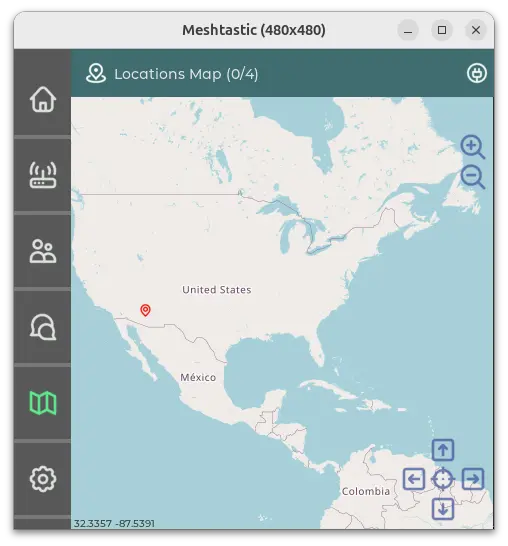 A mesh network map showing nodes and their connections. Image via Meshtastic.
In a LoRa mesh network, each node acts as a relay for others, extending range beyond what any single device could cover on its own. If you and a friend are too far apart to communicate directly, a third node placed between you can pick up your message and forward it. The group of devices creates its own mini-network where everyone can send and receive messages, even if some members are out of direct radio range of each other. The more nodes you deploy (within reason), the larger and more reliable the mesh becomes.
Because mesh networks don’t depend on any central cell tower or router, they’re ideal for off-grid scenarios. Each node you add increases coverage and reinforces resilience. When one path fails, the message finds another route. That’s why mesh networks are often called self-healing and why they’re popular for disaster recovery and emergency communications.
Why Use a LoRa Mesh Network
LoRa mesh networks combine long-range transmission with mesh resilience. The key benefits:
Truly off-grid operation. LoRa mesh devices talk directly to each other. You don’t need cell service, Wi-Fi, or satellites. Your network is completely independent and works anywhere. Deep wilderness, during natural disasters, or at crowded events where cell networks are overloaded. If the internet or power grid goes down, your LoRa mesh keeps running.
Extended range through hops. Each device in a LoRa mesh can forward messages for others. This hop-by-hop transmission extends your communication range. A message can travel miles by hopping through intermediate nodes. Even if any one link is limited to 1 or 2 miles, multiple hops via other nodes can connect users much farther apart.
Low power, long battery life. LoRa radios sip power, making them ideal for battery-operated gadgets in the field. Many LoRa mesh nodes run for days or weeks on a battery. That’s practical for outdoor adventures or emergency kits where charging options are limited. Some devices can be solar-powered for indefinite use.
Privacy and security. LoRa mesh platforms like Meshtastic and MeshCore support encryption out of the box. Messages can be encrypted end-to-end. Outsiders can’t easily eavesdrop on your off-grid conversations. Since your messages aren’t going through any corporate server or cell tower, you control who’s listening.
Cost-effective. Setting up a LoRa mesh is relatively inexpensive. The radios and devices are affordable, cheaper than satellite phones or long-range commercial radios. There are no monthly fees. Once you have the gear, it’s free to use your mesh network.
Popular Uses for LoRa Mesh Networks
LoRa mesh networks have a growing community and a variety of real-world use cases.
Outdoor adventures. Hikers, campers, hunters, and skiers use LoRa mesh gadgets to stay in touch when exploring remote areas with no cell coverage. A group on a backcountry hike can send text updates or GPS coordinates to each other over miles of wilderness. It’s a safety tool as well as a convenience.
Emergency and disaster relief. When hurricanes, wildfires, or earthquakes strike, communication networks often fail. LoRa mesh devices can be rapidly deployed by emergency responders or community volunteers to coordinate rescue efforts. They provide a lifeline for messaging when phones and internet are down. Neighborhoods can set up LoRa mesh nodes for community emergency preparedness.
Off-grid living. In rural or remote off-grid homes, people use LoRa mesh to stay connected with neighbors or family nearby without needing infrastructure. Boaters use it to chat ship-to-ship. Campers in RVs use it in areas with no cell service.
Events and festivals. At large outdoor events like music festivals or rallies, cell networks can become overloaded. Mesh devices let staff and attendees communicate reliably. Event organizers equip their team with LoRa mesh radios to coordinate security or logistics across a wide venue, independent of overwhelmed cell signals.
IoT and sensor networks. Beyond person-to-person messaging, LoRa mesh networks can carry data from sensors and IoT devices spread over a wide area. Environmental sensors in a forest (monitoring weather, animal movement) can send readings back to a central station. Low power means sensors run on battery for long periods, and the mesh can cover large properties or farms without new infrastructure.
Getting Started with LoRa Mesh
If you want to try a LoRa mesh network, the good news is it’s beginner-friendly. Projects like Meshtastic and MeshCore provide ready-to-use software for LoRa devices that turns them into mesh communicators.
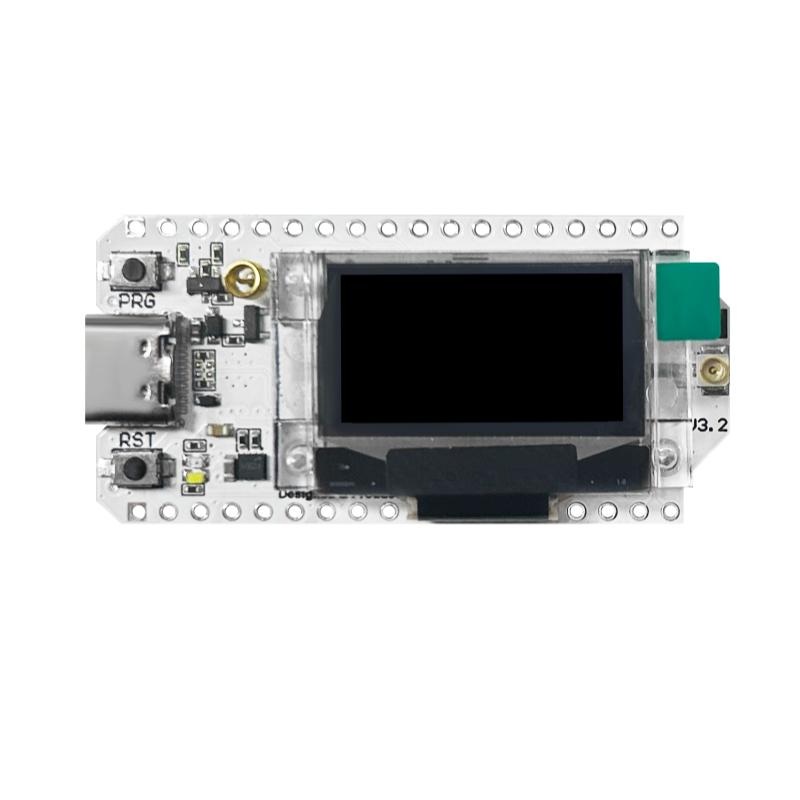 The Heltec V3 is a popular affordable LoRa device for mesh networking.
To start your own LoRa mesh you’ll need:
- A couple of LoRa-capable devices (small handheld radios or DIY boards like the Heltec V3)
- Mesh firmware to load onto them
- A smartphone or laptop to send messages through
With those, you can create a private network that keeps you connected anytime, anywhere, completely off the grid.
Who This Is For
If you live or travel somewhere cell service is unreliable, LoRa mesh is worth the learning curve. A rural farm, a hiking group, a neighborhood that wants emergency comms, a boat crew. Any scenario where you want to reach people without depending on carrier infrastructure.
If you already have reliable cell service everywhere you go and you never think about off-grid comms, the use case is thinner. LoRa mesh is infrastructure you build before you need it.
If you’re into IoT or sensor networking, LoRa mesh opens up rural telemetry that cellular IoT can’t touch on price or power. Different problem, same technology.
Next Steps
- What is Meshtastic? for a walkthrough of the Meshtastic protocol
- Meshtastic Getting Started Guide to set up your first node
- MeshCore vs Meshtastic to compare the two protocols
- Recommended Devices for hardware at every budget
- Resources for tools, hardware, and community links
Comments
Related Posts
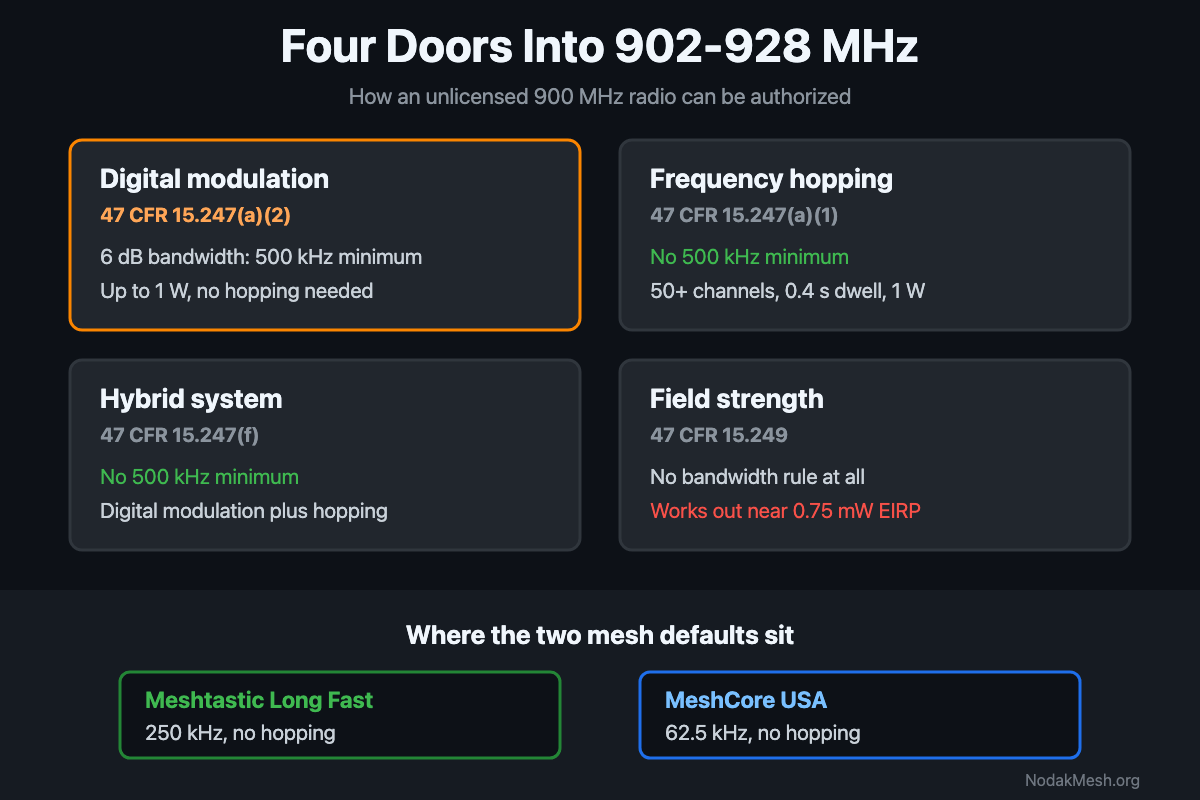
FCC Part 15.247: The 500 kHz Minimum and LoRa Mesh
Part 15.247 sets a 500 kHz minimum 6 dB bandwidth for digital modulation at 900 MHz. What the rule says, and where Meshtastic and MeshCore presets land.
Seeed MeshCore Starter Kit: Solar Repeater + Client Bundle
Seeed's MeshCore Starter Kit bundles a solar repeater and Wio Tracker L1 Pro into one off-grid mesh. Antenna picks, setup tips, and who it's for.
MeshCore Path Hash Modes Explained: 1, 2, and 3 Byte
How MeshCore's 1, 2, and 3 byte path hashes work, why 1-byte collides at scale, and when to switch. Guide to path.hash.mode for growing meshes.