Seeed Wio Tracker L1 Pro Review: The Goldilocks Mesh Node
Seeed Wio Tracker L1 Pro review. NodakMesh's daily-carry favorite. SX1262, OLED, external antenna, USB-C. Why it's our Goldilocks node.
Most mesh hardware leads on one feature and falls short on four others. The Seeed Wio Tracker L1 Pro doesn’t lead any single category. It just does the whole job competently. nRF52840 MCU, Semtech SX1262 LoRa transceiver, built-in GPS, OLED display, external antenna on an RP-SMA connector, USB-C charging, tough 3D-printed handheld enclosure at $46.99. Our review units shipped with Meshtastic. Seeed also sells the L1 Pro pre-flashed for MeshCore, and the device flashes between the two without drama. After months of rotation through pockets, packs, and the truck, it has become the NodakMesh editorial team’s Goldilocks node. Not because it’s best in class at any one thing. Because it’s good at all of them.
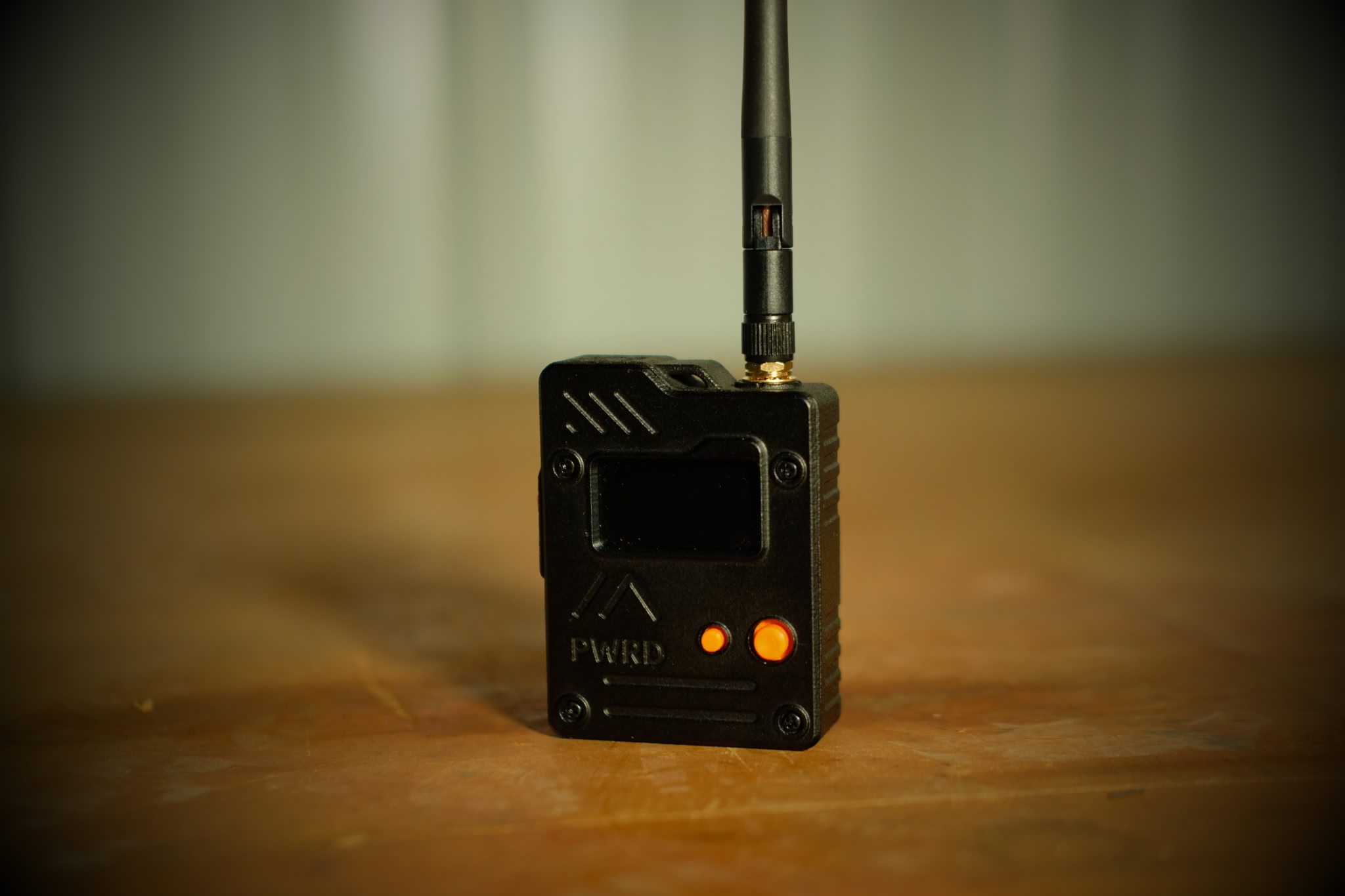
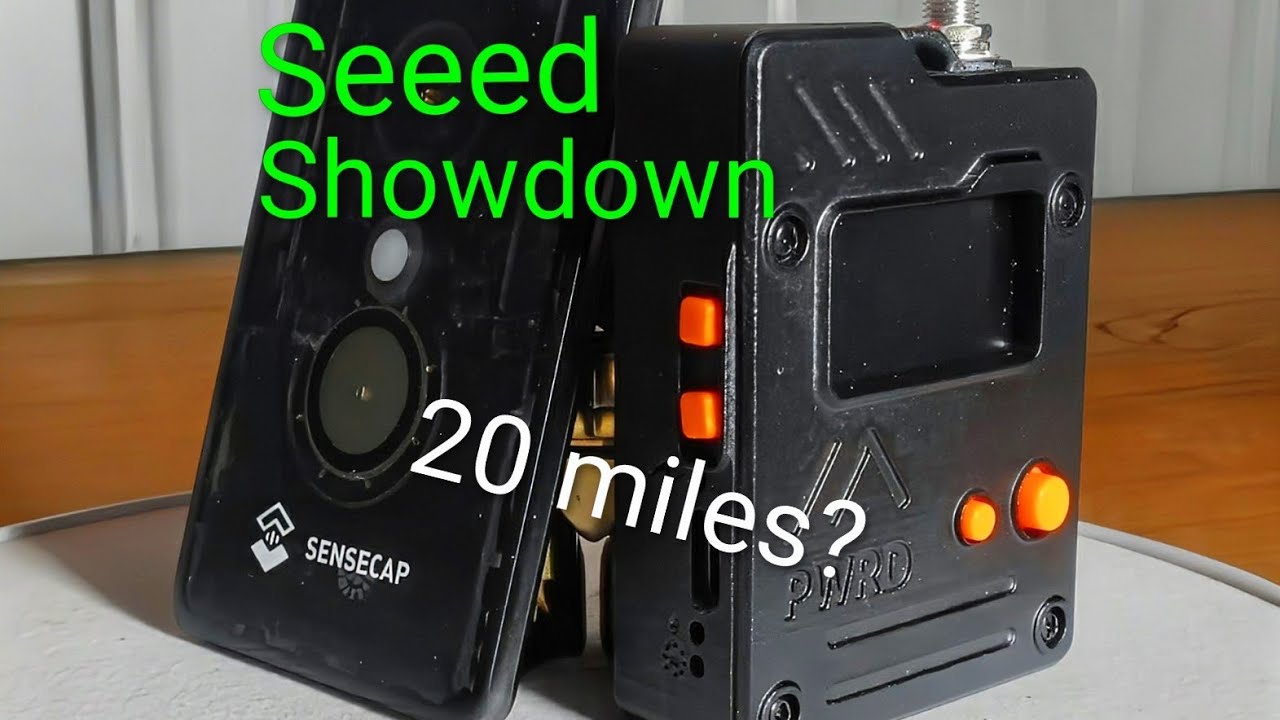
The L1 Pro and the SenseCAP T1000-E come from different Seeed product lines. The T1000-E is part of Seeed’s SenseCAP Card Tracker family. The L1 Pro is the Pro variant in Seeed’s Wio Tracker L1 family, sitting next to an L1 Lite and a standard L1. Same vendor, same nRF52840 MCU, different LoRa radio choices, different product lines, different jobs. Seeed sells the L1 Pro pre-flashed for either Meshtastic or MeshCore, depending on the SKU. Our review units arrived running Meshtastic. After months on the network, we’d agree with Seeed’s “all-in-one handheld” pitch regardless of which firmware you pick.
We’ve been carrying L1 Pros for months. Daily use, vehicle rotation, the occasional base-station shift on a desk. This is the field report, not the box copy.
Full disclosure: Seeed sent us Wio Tracker L1 Pro units as review samples. Everything below is our own field opinion from time on the network. We carried this device on our devices pages before the affiliate program existed, and what we recommend hasn’t changed.
What’s in the Pro
At the core is the Nordic nRF52840. ARM Cortex-M4F at 64 MHz, 1 MB of flash, 256 KB of RAM, BLE radio, USB device built in. Sleep current in System OFF measures in the hundreds of nanoamps. The same chip you’ll find under the hood of the T1000-E, the RAK4631, the LilyGo T-Echo, and most of the BLE-class mesh hardware worth carrying.
The LoRa transceiver is the Semtech SX1262, the workhorse radio of the Meshtastic and MeshCore ecosystems. GNSS is a dedicated L76K multi-system positioning module, the same chip the LilyGo T-Echo uses. Where the T1000-E goes with Semtech’s all-in-one LR1110 (and still adds a dedicated AG3335 GNSS receiver on the side), the L1 Pro takes a more conventional route start to finish: SX1262 for LoRa, L76K for positioning, no exotic silicon. Every firmware in the mesh world already knows how to drive an SX1262 plus L76K. No surprises, and that’s the point.
Max TX power is 22 dBm (about 158 mW) at the radio. The difference from a card tracker is what happens after that 22 dBm. The L1 Pro has an external antenna instead of a PCB trace, and it ships with an RP-SMA connector. We swapped ours to a standard SMA pigtail after the bulk of testing so it’d take the LoRa antennas we already had on the bench. That’s a fix most LoRa users will end up making, so plan on it. With either connector and a stock whip you’re looking at a meaningful gain bump over an internal antenna. Swap in a 3 dBi or 5 dBi rubber duck and the EIRP gap widens further.
The OLED display is small. It’s enough to read incoming messages, see your channel, watch GPS satellite count tick up, and confirm the device is alive without pulling your phone out. Sunlight readability is the limit. Indoors and in shade it’s fine. In direct sun you’ll be cupping a hand over it.
A four-way joystick handles on-device navigation, with a separate power switch and reset button. There’s no full keyboard, no soft keys. For receiving messages, acknowledging, and moving through the menu, the joystick is plenty. For composing anything longer than a canned reply, you’ll still want a phone paired over BLE.
Power comes in over USB-C. The battery is internal, sized for real daily duty rather than tracker-tier sips. We’ve seen around five days of runtime on moderate-use days and around three days on busier ones. We run at max TX power throughout, so the spread is mesh activity and on-device use, not power level.
The body measures 56 × 26 mm on the face and is roughly the thickness of a deck of cards, with 181 mm total length once the stock antenna is installed. Pocketable in a coat or a cargo pocket. Not a wallet card. The trade is real.
Why It’s the Goldilocks Node
The L1 Pro isn’t best in class at any single thing.
The battery isn’t the largest you can buy. The OLED isn’t the brightest in the mesh world. The radio is the same 22 dBm you’ll find on the T1000-E and a hundred other nRF52840 boards. The external antenna is solid, not exceptional. None of these specs would headline a launch event.
What the L1 Pro does is the rare thing in hobby-tier mesh hardware. It’s good at everything it tries to do.
The battery holds for around five days of moderate use and around three days on heavier days, always at max TX power. Both are better than Seeed’s published spec. The external antenna reaches our repeater grid from spots a card tracker can’t. The OLED is readable in shade and indoor light, which is most of the time you’re looking at it. USB-C fits the cable already on the bench. BLE tethers to a phone for everything the screen can’t handle. Our units shipped with Meshtastic. MeshCore variants are sold pre-flashed, and the device moves between firmwares without drama.
Strung together, those competent-not-exceptional pieces are the reason this is the node we keep reaching for. The Goldilocks pick isn’t the device that wins one category. It’s the one that doesn’t make you compromise on any of them.
In the Field
Range on our existing repeater grid is the most obvious upgrade over a card tracker. Two L1 Pros communicating ground-level to ground-level, we held clean comms at 7.4 miles (11.9 km). To one of our repeaters perched at 100 feet of elevation, the link held strong at 20.73 miles (33.4 km), with headroom to push further if time had allowed. Same 22 dBm TX budget as the T1000-E. Different antenna, very different real-world reach.
GPS lock from a cold start sits well under a minute outdoors. The L76K’s multi-system support helps it hold a fix under partial cover where single-constellation receivers wobble. Fully indoors it still struggles like every consumer GNSS.
OLED behavior in real use is honest. Easy to read in shade, fine in indoor light, washed out in direct sun. We mostly use it for glanceable confirmation. The long-form messaging still happens on the phone.
Battery life lands at around five days of moderate use per charge, slightly better than Seeed’s published number. On busier days it still holds for around three. We run at max TX power throughout, so the spread is network activity and how often we glance at the device, not power level. We charge it overnight when we charge the phone and don’t think about it.
Durability is good for a 3D-printed enclosure with an external antenna. The print quality on these is genuinely well done. Tight tolerances, minimal layer lines, the threaded RF connector takes the abuse you’d expect, and the body has held up to drops onto concrete and gravel without cracking. It’s not weather-sealed, so we keep it out of standing water, but the housing is tougher than a 3D-printed enclosure has any right to be.
Full Specs
| Spec | Detail |
|---|---|
| MCU | Nordic nRF52840 (Cortex-M4F, 64 MHz) |
| LoRa Chip | Semtech SX1262 |
| Max TX Power | 22 dBm (≈158 mW) |
| GNSS | L76K multi-system positioning module |
| Bluetooth | Bluetooth Low Energy (BLE) |
| Battery | 2000 mAh LiPo (~5 days moderate use, ~3 days heavy) |
| Housing | 3D-printed enclosure |
| Display | Onboard OLED |
| Inputs | Four-way joystick, power switch, reset button |
| Antenna | External RP-SMA (swappable, we use SMA) |
| USB | USB-C |
| Firmware | Meshtastic on our review units; MeshCore variants sold pre-flashed |
| Dimensions | 56 × 26 mm face (body) |
| Total Length | 181 mm with stock antenna |
| Price | $46.99 USD |
How It Compares to the LilyGo T-Echo
The natural rival is the LilyGo T-Echo, and the silicon comparison turns out to be closer than we expected. Same Nordic nRF52840 MCU. Same Semtech SX1262 LoRa radio. Same L76K multi-system GNSS module. Both ship with external screw-on antennas. Both target the user who wants off-cell mesh communications with a screen on the unit for quick reads. They’re built on essentially the same parts list.
| Seeed Wio Tracker L1 Pro | LilyGo T-Echo | |
|---|---|---|
| MCU | nRF52840 | nRF52840 |
| LoRa Chip | SX1262 | SX1262 |
| GNSS | L76K | L76K |
| Display | OLED | 1.54” E-paper (200×200) |
| Antenna | External, RP-SMA | External, SMA |
| Battery | 2000 mAh LiPo | 850 mAh |
| USB | USB-C | USB-C |
| Inputs | Four-way joystick + power + reset | 2 buttons + touch sensor |
| Firmware | MeshCore, Meshtastic | Meshtastic, MeshCore (LilyGo, SoftRF supported) |
| Enclosure | 3D-printed | Molded plastic |
| Price | $46.99 | $44.61 |
Inside the case, these two are mechanical cousins. The differences are display tech, enclosure, and the small ergonomic decisions that come from two companies solving the same problem in parallel.
The T-Echo’s e-paper display is more readable in direct sun and draws no current when static. Easy win for outdoor use where you’d otherwise be shading the screen with a hand.
The L1 Pro’s OLED is brighter and faster in shaded or indoor conditions, which is where we spend more time looking at the device. The 3D-printed enclosure on our review units is tougher than that sentence has any right to make it sound. And the L1 Pro is the device that has stayed in our daily rotation.
If you spend most of your mesh time outdoors in direct sun, get an e-paper display. Seeed sells an E-Ink Wio Tracker L1 Pro variant that pairs the same handheld body and external antenna with an e-paper screen. Same family, same Goldilocks instincts, sun-readable. We haven’t had hands-on with the E-Ink variant yet, so we’re recommending it on family resemblance rather than field time. It’s high on our list to test, and we’ll write it up when we do. The LilyGo T-Echo is the strong pick if you want to look outside the Seeed lineup. Either e-paper option will treat you better under bright sky than the OLED L1 Pro we tested.
If you spend more time indoors or in shade and you want a node that doubles as a sturdy daily carry, the OLED L1 Pro we tested is the right call. The radio side of the comparison is essentially a wash across all three options. Pick by display, enclosure, and price.
What We Tested
Range in the field. Two L1 Pros ground-level to ground-level: clean comms at 7.4 miles (11.9 km). To a repeater at 100 feet of elevation: strong link at 20.73 miles (33.4 km) with headroom to push further. The external antenna is the lever.
Cold-start GPS. Sub-minute outdoors. Two to three minutes under partial cover. Reliable re-lock when sky view returns.
OLED daylight readability. Fine in shade, washed in direct sun. Don’t pick this for “I need to read it from a kayak at noon” use.
Battery in real rotation. Around five days of moderate use per charge. Around three days on busier days. Both better than Seeed’s spec sheet. We run at max TX power throughout.
Meshtastic + MeshCore firmware swap. Our review units shipped with Meshtastic. Seeed also sells MeshCore-preflashed variants. Flashing between the two is straightforward. Pick the network you’re on and don’t think about it again.
Who This Is For
If you want one device that gives you mesh comms without leaning on cell towers, plus a screen worth glancing at when a message comes in, the L1 Pro is the right pick. You’ll still pair it to a phone over BLE for composing and configuration. The whole mesh side just doesn’t care whether cell coverage exists. It’s the editorial team’s daily node for a reason.
If you’re running a vehicle repeater or base station and want a portable companion that can pair to it and actually reach, this is the companion.
If you’re carrying a card tracker like the T1000-E and wondering whether the step up is worth it, this is the step up. Bigger battery. Real antenna. Standalone display. USB-C. We put both head-to-head in a direct comparison if you want the full ladder.
If you’re new to the hobby and shopping for a first node, this is the one. It does enough of the job well that you’ll come away knowing what “good” feels like on a mesh device. Fair warning: that bar is going to make every other node you look at harder to be impressed by. That’s a good thing.
The Honest Limits
It isn’t pocket-thin. If you need a node that disappears in a wallet, the T1000-E owns that.
It isn’t an amplified base station. 22 dBm with a whip is plenty for portable mesh work. For a fixed hilltop site you’ll want something with a PA and a real antenna.
It isn’t a standalone messenger. The OLED and the joystick handle reading and ack. Composing anything longer still wants a phone.
We rotate gear constantly here. This one stopped getting put back in the drawer. That’s the review.
Watch the Review
We walked through the L1 Pro on camera too. Watch the video review on YouTube.
Every product link in this post is an affiliate link, and the coupon code below credits NodakMesh whether you use our link or not. We carried this device on our devices pages before the affiliate program existed. Nothing about what we recommend has changed.
You can find the Wio Tracker L1 Pro on Seeed Studio with code U2D0ND49.
Comments
Related Posts
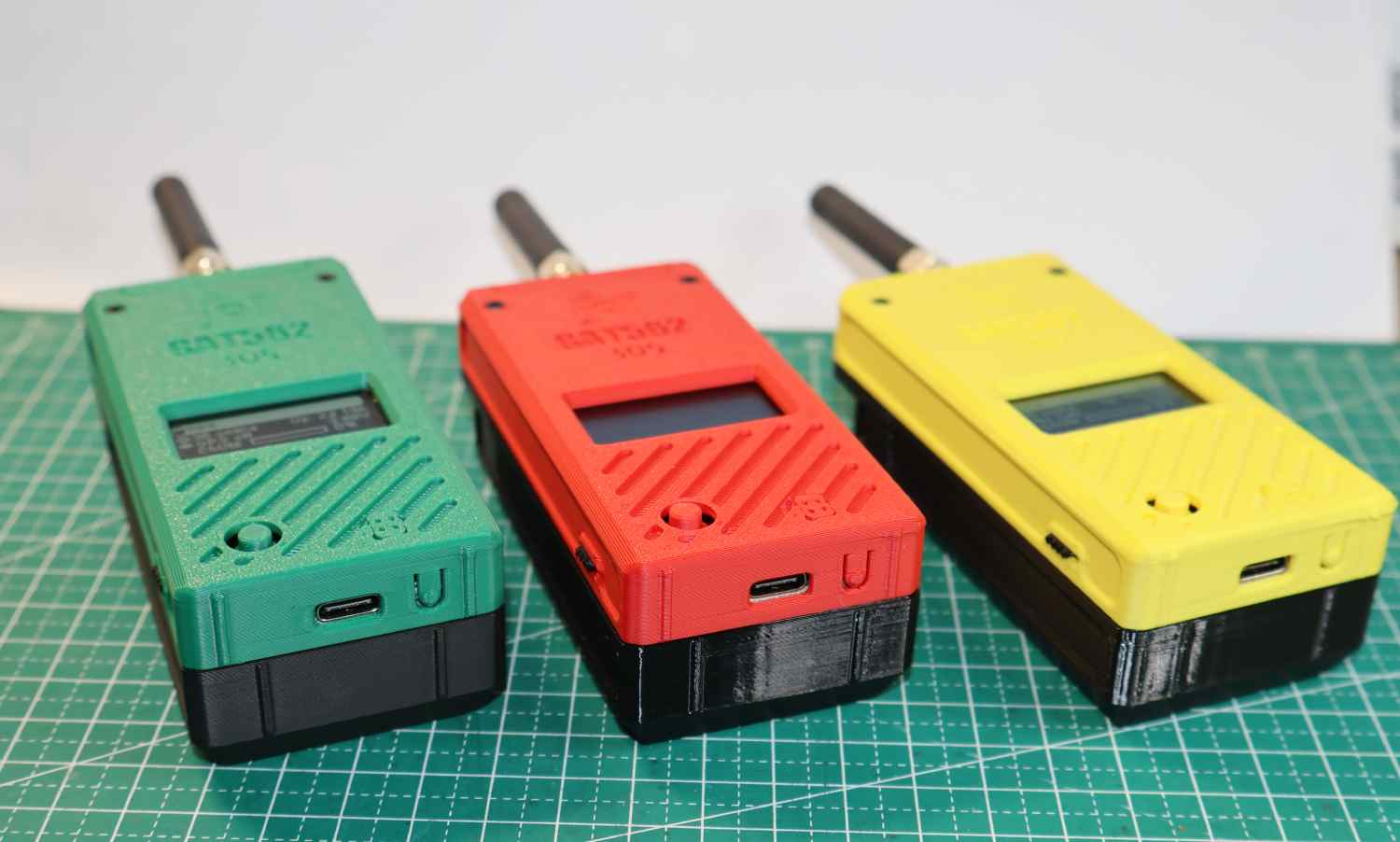
GAT562 30s Kit Long-Term Review: 30dBm, Both Firmwares
GAT562 30s Kit long-term review: 30dBm repeater on a convention center's 16th floor, a reliable carpeater across Fargo, MeshCore and Meshtastic.
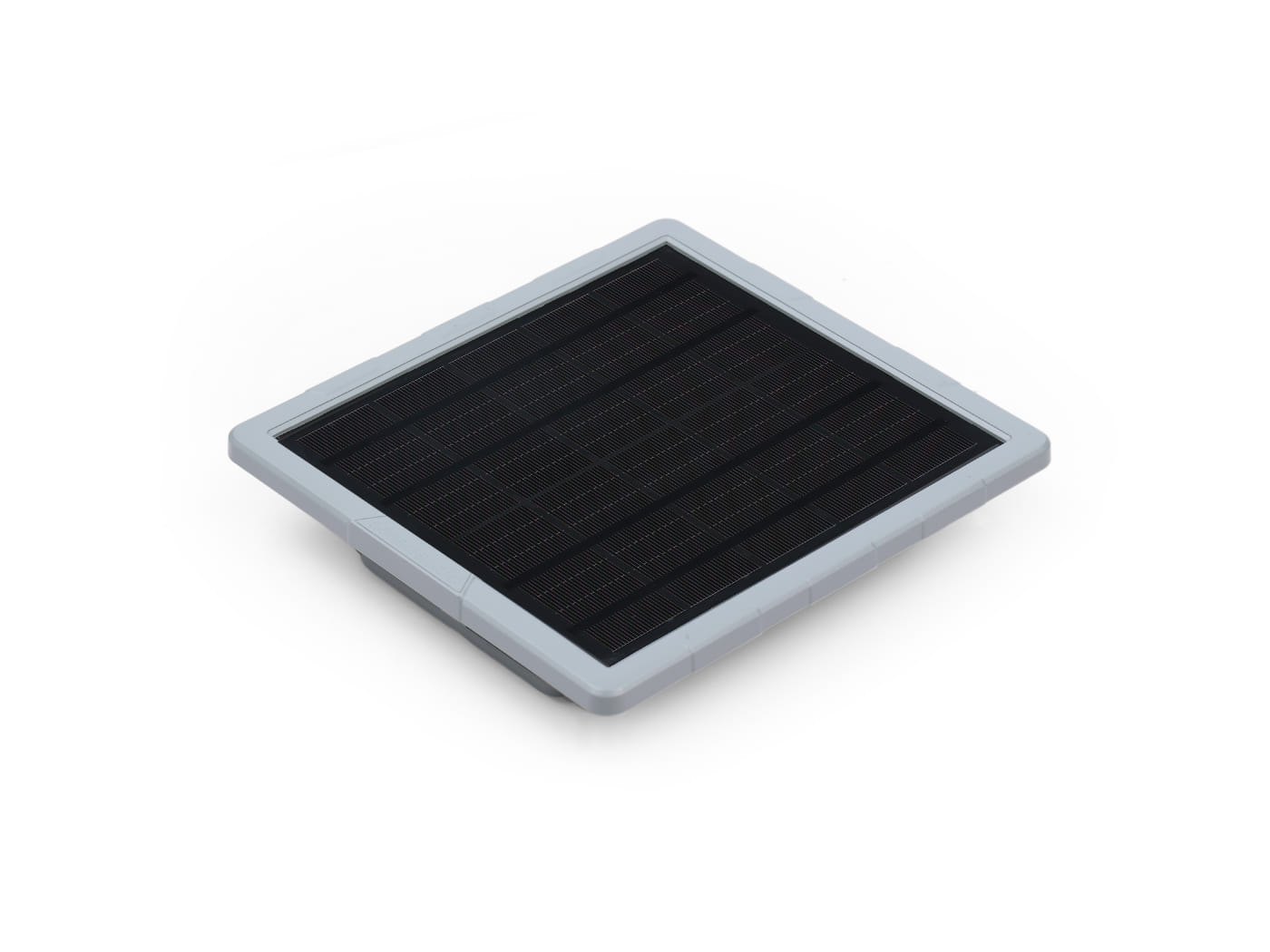
SenseCAP Solar Node P1-Pro Review: Our Go-To Solar Repeater
SenseCAP Solar Node P1-Pro review: months on the roofline, a 19km link, and a battery that just works. One nitpick: RP-SMA.
Wio Tracker L1 Pro Long-Term Review: Still Our Favorite Node
The Wio Tracker L1 Pro has survived a 12-foot concrete drop, a security convention in Minneapolis, and months of outdoor use. Still our top pick.