Seeed T1000-E vs Wio L1 Pro: Pocket Carry or Goldilocks
Side-by-side review of Seeed's two LoRa trackers. T1000-E for pocket carry. L1 Pro for daily mesh. Specs, field notes, and a clear pick.
Seeed makes two trackers worth carrying. They aren’t direct rivals. They’re a choice. The T1000-E is a credit-card tracker that disappears in a pocket. The Wio Tracker L1 Pro is a handheld with an external antenna and an OLED that has become our daily mesh node. Same vendor, same nRF52840 MCU, different LoRa radios, two product lines, two roles in the kit.
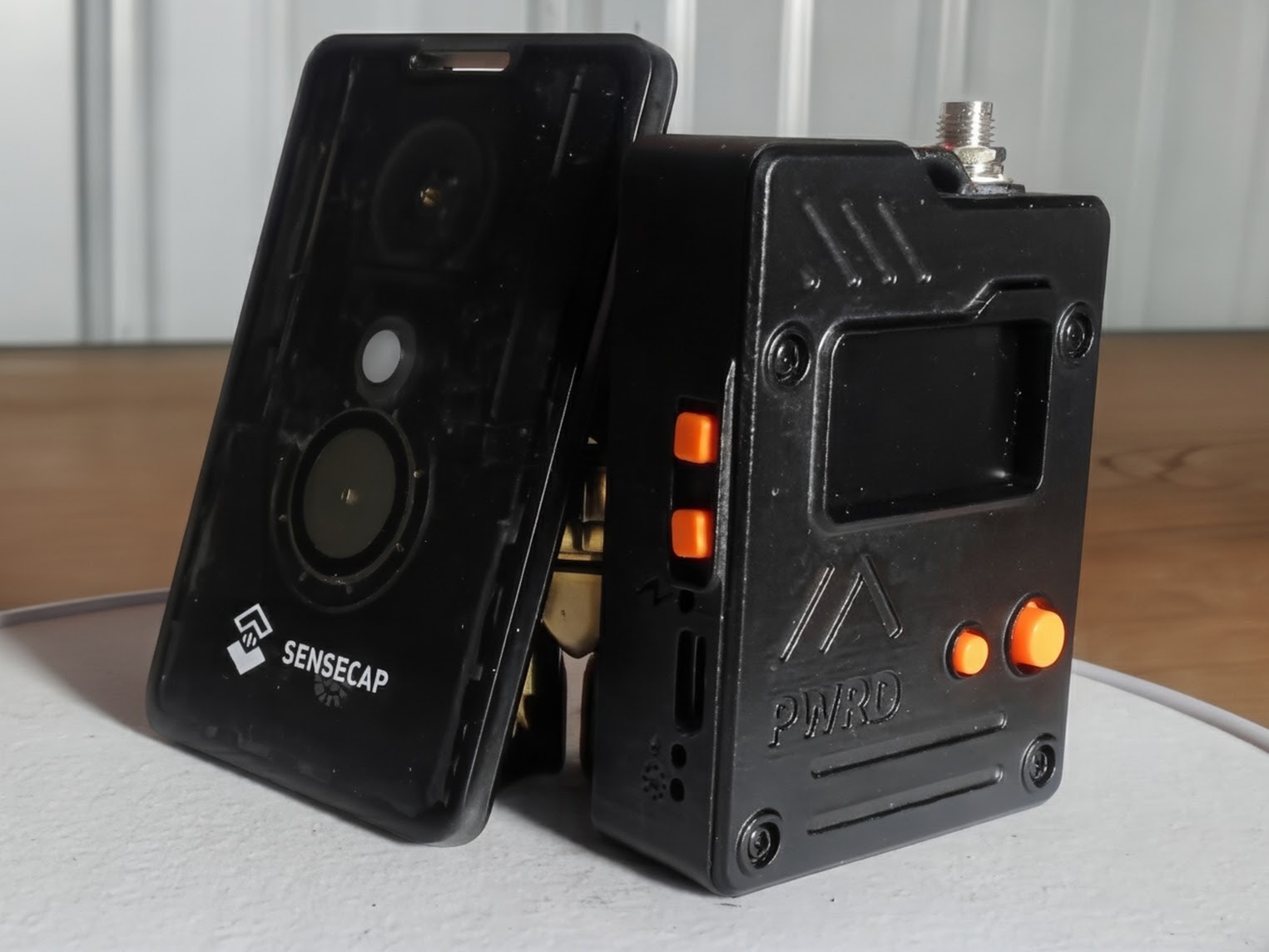
Both trackers run MeshCore and Meshtastic. Both use the same Nordic MCU. They use different LoRa radios, though, and they come from different Seeed product lines: the T1000-E is a SenseCAP Card Tracker, and the L1 Pro is the assembled variant of Seeed’s Wio Tracker L1 family. The trade is radio chip, shape, antenna, battery, and how you charge it. That’s the whole comparison.
Full disclosure: Seeed sent us both devices as review samples. Everything below is our own field opinion from time on the network with both. We carried these on our devices pages before the affiliate program existed, and what we recommend hasn’t changed.
One more thing worth saying up front: the Wio L1 Pro is the NodakMesh editorial team’s daily-carry favorite. The T1000-E is still in regular rotation in our pockets. This isn’t a piece designed to knock one to lift the other. They do different jobs.
What’s Shared
Both run on the Nordic nRF52840. ARM Cortex-M4F at 64 MHz, Bluetooth Low Energy, USB device, sleep current in the hundreds of nanoamps. It’s the chip that defines the BLE-class mesh node and you’ll find it under the hood of half the gear worth carrying.
Both top out at 22 dBm TX power (about 158 mW) at the radio. Same output budget, even though the radio chips themselves are different.
Both of our review units shipped with Meshtastic. Seeed sells MeshCore variants of both devices pre-flashed, and either device moves between firmwares without drama. Pick the firmware that matches the network you’re on. The hardware doesn’t care.
What’s Different
Radio chip. Shape. Antenna. Battery. Display. Charging.
The radio difference is the most consequential. The T1000-E uses the Semtech LR1110, a LoRa transceiver that also packs an on-chip GNSS scanner and a passive WiFi sniffer. For the actual position fix Seeed pairs the LR1110 with a dedicated Mediatek AG3335 multi-constellation GNSS receiver, so there are two purpose-built chips on the locating side, not one. The L1 Pro takes a more conventional route. Semtech SX1262 for the LoRa radio, L76K for GNSS, two purpose-built chips doing two jobs. Every firmware in the mesh world already knows how to drive an SX1262 plus L76K, and that’s the point.
The T1000-E is 85.6 × 54 × 6.5 mm in a credit-card form factor, has a PCB trace antenna, and charges over pogo pins (Seeed sells a magnetic puck accessory that mates with them). 700 mAh of LiPo. No display. IP65. It’s a sealed card that sends our position and our messages and lets the rest of the network do the relaying.
The L1 Pro is a 56 × 26 mm-face handheld with a screw-on antenna on an RP-SMA connector that brings total length to 181 mm. Tough 3D-printed enclosure. Around five days of moderate-use battery, around three days on busier days, always at max TX power. Both numbers beat Seeed’s published spec. OLED display, four-way joystick plus power and reset, USB-C. It’s the device you reach for when you want to be on the mesh and you want to read what’s happening on it.
Full Comparison
| Seeed T1000-E | Seeed Wio Tracker L1 Pro | |
|---|---|---|
| MCU | nRF52840 | nRF52840 |
| LoRa Chip | Semtech LR1110 | Semtech SX1262 |
| GNSS | Mediatek AG3335 multi-constellation | L76K multi-system positioning |
| Bluetooth | Bluetooth Low Energy (BLE) | Bluetooth Low Energy (BLE) |
| Max TX Power | ~22 dBm at chip | ~22 dBm at chip |
| Antenna | PCB internal | External, RP-SMA |
| Display | None | Onboard OLED |
| Inputs | 1 button | Four-way joystick + power + reset |
| Battery | 700 mAh LiPo | 2000 mAh LiPo (~5 days moderate, ~3 days heavy) |
| Charging | Pogo pins (magnetic puck) | USB-C |
| Housing | Sealed card, IP65 | 3D-printed, not weather-sealed |
| Dimensions | 85.6 × 54 × 6.5 mm | 56 × 26 mm face (body) |
| Total Length | 85.6 mm | 181 mm with antenna |
| Form factor | Credit card | Handheld |
| Firmware | Meshtastic on our unit; MeshCore variant sold | Meshtastic on our unit; MeshCore variant sold |
| Price | $39.90 | $46.99 |
How They Actually Carry
The T1000-E disappears. It rides in a wallet sleeve, a coat inner pocket, the front pocket of a pair of jeans. You forget it’s there. We’ve washed at least one accidentally (it survived, the IP65 earning its keep). For people who want a mesh presence without changing how they carry their everyday kit, nothing else in this class compares.
The L1 Pro is pocketable but in a different sense. It fits a cargo pocket, a jacket pocket, a sling pouch, a vehicle console. The antenna goes with it. You know you’re carrying it. That’s not a problem if you wanted a node, not a card.
This is the first axis. If the device needs to be invisible in a slim pocket, only the T1000-E qualifies.
Range and Reach
Different LoRa chips, same 22 dBm output budget. The antenna is where real-world reach actually changes.
PCB antennas in a card form factor work for what they are. They’re polarization-sensitive, they’re tuned for a specific orientation, and they lose signal in any pocket that isn’t flat against the body. With the T1000-E we use it as a personal device on the mesh: it reports in, it gets messages, and the repeater grid does the heavy lifting.
The L1 Pro’s external antenna changes the equation. It ships with an RP-SMA connector, swappable to standard SMA if you want to use the LoRa antennas already on your bench, which we did. A stock whip gives you usable gain over a PCB trace. Swap in a 3 dBi or 5 dBi rubber duck and the EIRP gap widens. Same 22 dBm out of the radio, very different range in the field.
Concrete numbers from our testing. T1000-E to T1000-E ground-level to ground-level: clean comms at 3.9 miles (6.3 km). Two L1 Pros ground-level to ground-level: 7.4 miles (11.9 km). One L1 Pro to a repeater perched at 100 feet of elevation: strong link at 20.73 miles (33.4 km), with headroom to push further if we’d had time. That’s roughly twice the reach of the card tracker between matching pairs, and the repeater shot is in another category entirely.
If reach matters from a portable, the L1 Pro is the side to be on.
Battery and Charging
The T1000-E’s 700 mAh gives days of standby and about a day with GPS on. Push it harder and you’re charging it daily.
The L1 Pro carries around five days on a charge under moderate use and around three days on heavier ones. Both numbers beat Seeed’s published spec. We always run at max TX power, so that range is mesh activity and screen use, not power level. We charge it overnight when we charge the phone and we don’t think about it.
The charging story is the bigger trade. The T1000-E’s pogo-pin contacts are a deliberate engineering choice to keep the card sealed and thin. They work. They also mean one more proprietary cable on the desk. The L1 Pro’s USB-C lives in the same cable ecosystem as everything else.
The L1 Pro is essentially Seeed’s answer to two-thirds of the T1000-E wishlist: bigger battery, USB-C, real antenna. The remaining wish (an amplified radio variant) is still open in the lineup.
Pick the T1000-E If
You want a mesh node that disappears in a wallet pocket. The card form factor doesn’t have a real competitor.
You’re already carrying a handheld and want a second daily-carry device to add another point of presence on the network without adding bulk.
You’re outfitting a fleet for asset tracking and the spec you care about is “thin and cheap.” The T1000-E does that.
You don’t need to read messages on the device. Your phone is the screen.
Pick the L1 Pro If
You want one mesh device that does most of the job. The L1 Pro is the editorial team’s daily node for a reason.
You need real range from a portable. The external antenna is the lever and you can’t add it to a card later.
You want to glance at the device and see what’s happening on the channel without unlocking a phone. The OLED earns its place.
You’re rotating between vehicle use, base-station shifts, and walking duty. The L1 Pro handles all three. The T1000-E only handles the walking.
How to Pick If You’re Buying One
If you can’t run both, ask what your daily carry actually looks like.
Carry a portable handheld already, and a card to extend coverage? T1000-E.
No mesh node yet, and you want one device that gets you into the network and onto the map? L1 Pro.
Fleet duty for asset tracking, not personal use? T1000-E in volume.
A daily-carry node that reaches, displays, and charges over USB-C, and you don’t mind a handheld? L1 Pro. That’s the MeshCore Goldilocks pick.
If you’re stocking a fleet, carry both. If you’re picking one, pick the one that matches the carry, not the spec sheet.
Watch the Comparison
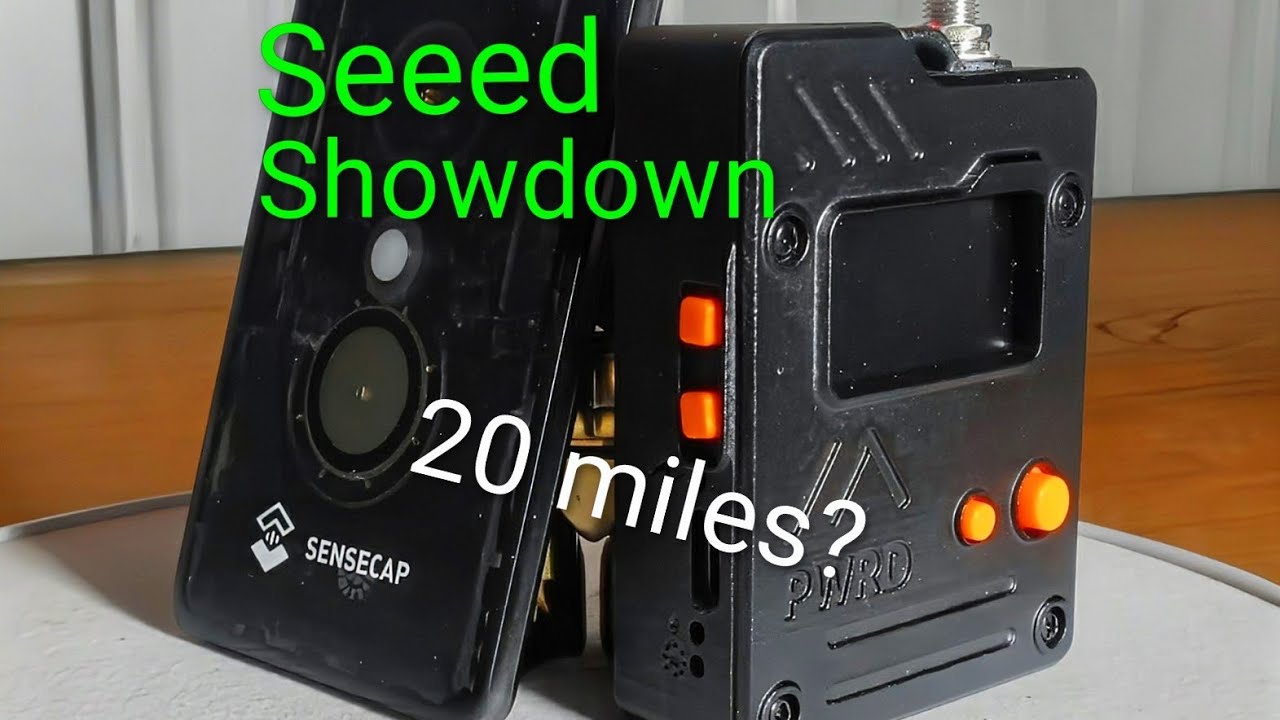
We put both trackers on camera side by side too. Watch the video on YouTube.
Every product link in this post is an affiliate link, and the coupon codes below credit NodakMesh whether you use our link or not. Both devices are on our devices pages and have been since before the affiliate program existed.
Comments
Related Posts
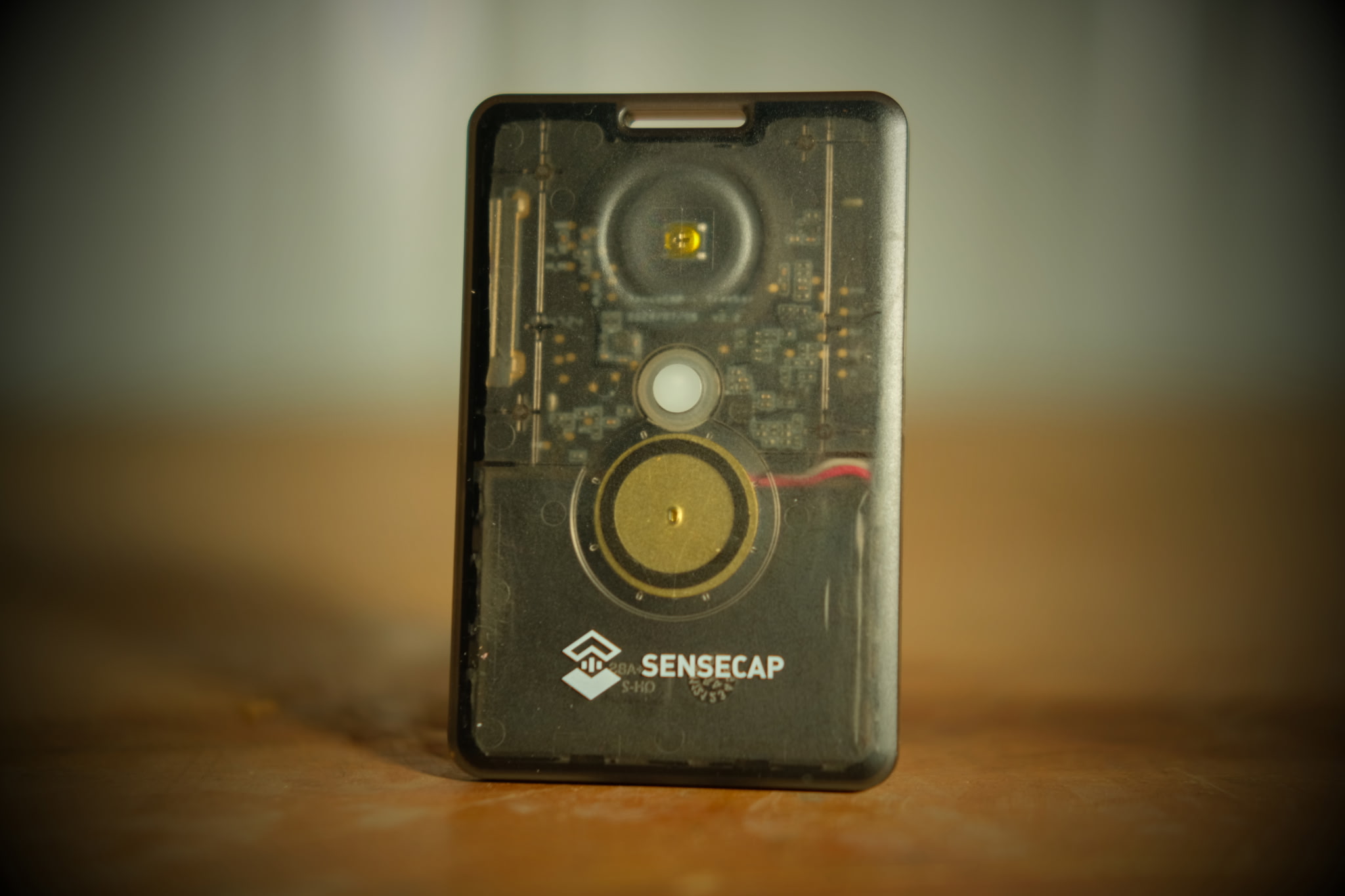
Seeed SenseCAP T1000-E Review: A Pocket Tracker We Carry
Honest review of the Seeed SenseCAP T1000-E. Credit-card LoRa tracker with nRF52840, LR1110 radio, and AG3335 GNSS. Field notes from our network.
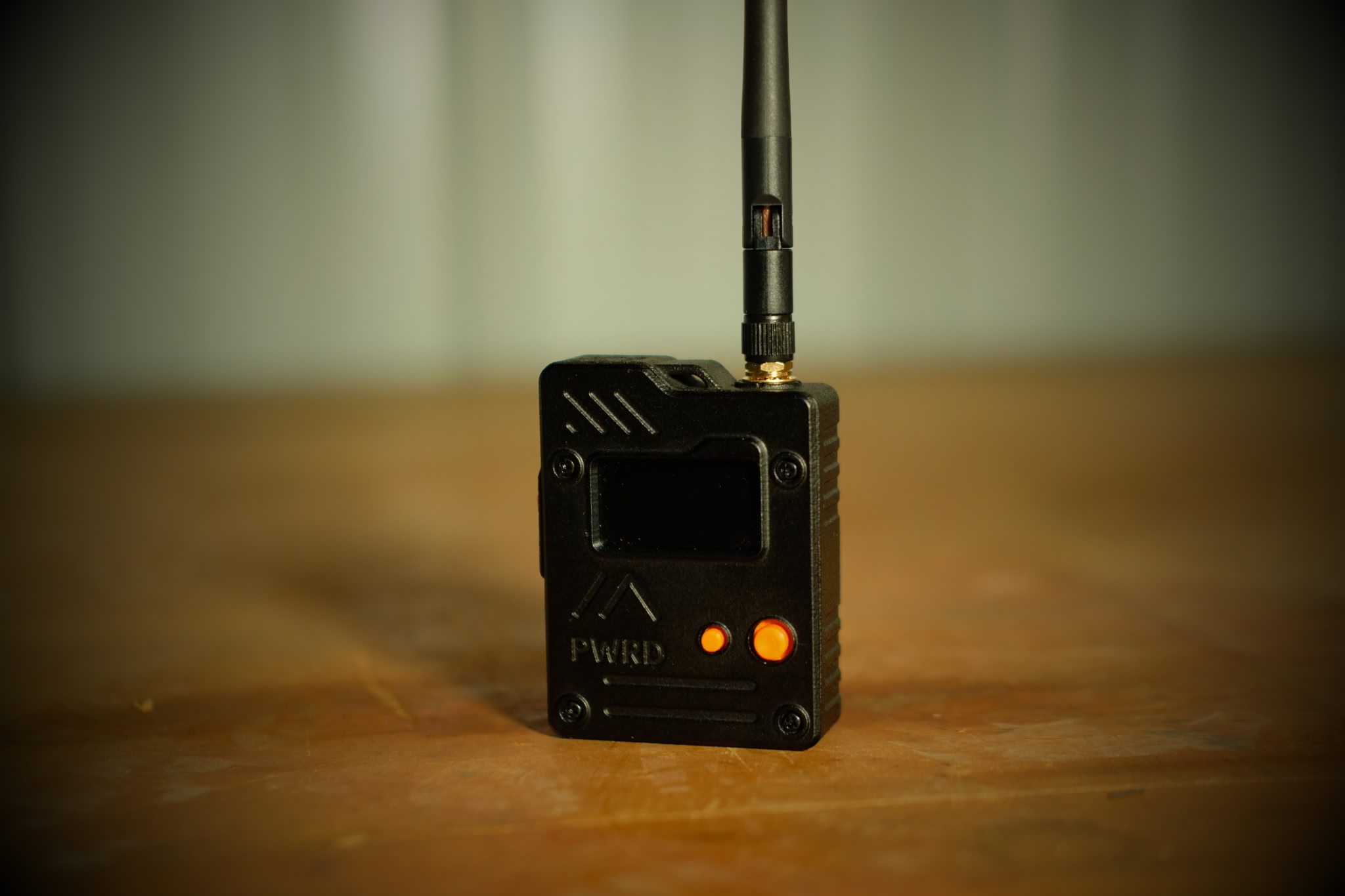
Seeed Wio Tracker L1 Pro Review: The Goldilocks Mesh Node
Seeed Wio Tracker L1 Pro review. NodakMesh's daily-carry favorite. SX1262, OLED, external antenna, USB-C. Why it's our Goldilocks node.
Wio Tracker L1 Pro Long-Term Review: Still Our Favorite Node
The Wio Tracker L1 Pro has survived a 12-foot concrete drop, a security convention in Minneapolis, and months of outdoor use. Still our top pick.