Seeed SenseCAP T1000-E Review: A Pocket Tracker We Carry
Honest review of the Seeed SenseCAP T1000-E. Credit-card LoRa tracker with nRF52840, LR1110 radio, and AG3335 GNSS. Field notes from our network.
Seeed’s SenseCAP T1000-E is the tracker we keep forgetting we’re carrying. Nordic nRF52840 MCU, Semtech LR1110 LoRa transceiver, dedicated Mediatek AG3335 multi-constellation GNSS module, 700 mAh battery, sealed in a credit-card form factor at $39.90. It runs Meshtastic and MeshCore. It charges over pogo pins instead of USB-C. After weeks of daily carry, it has earned a permanent spot in the kit.
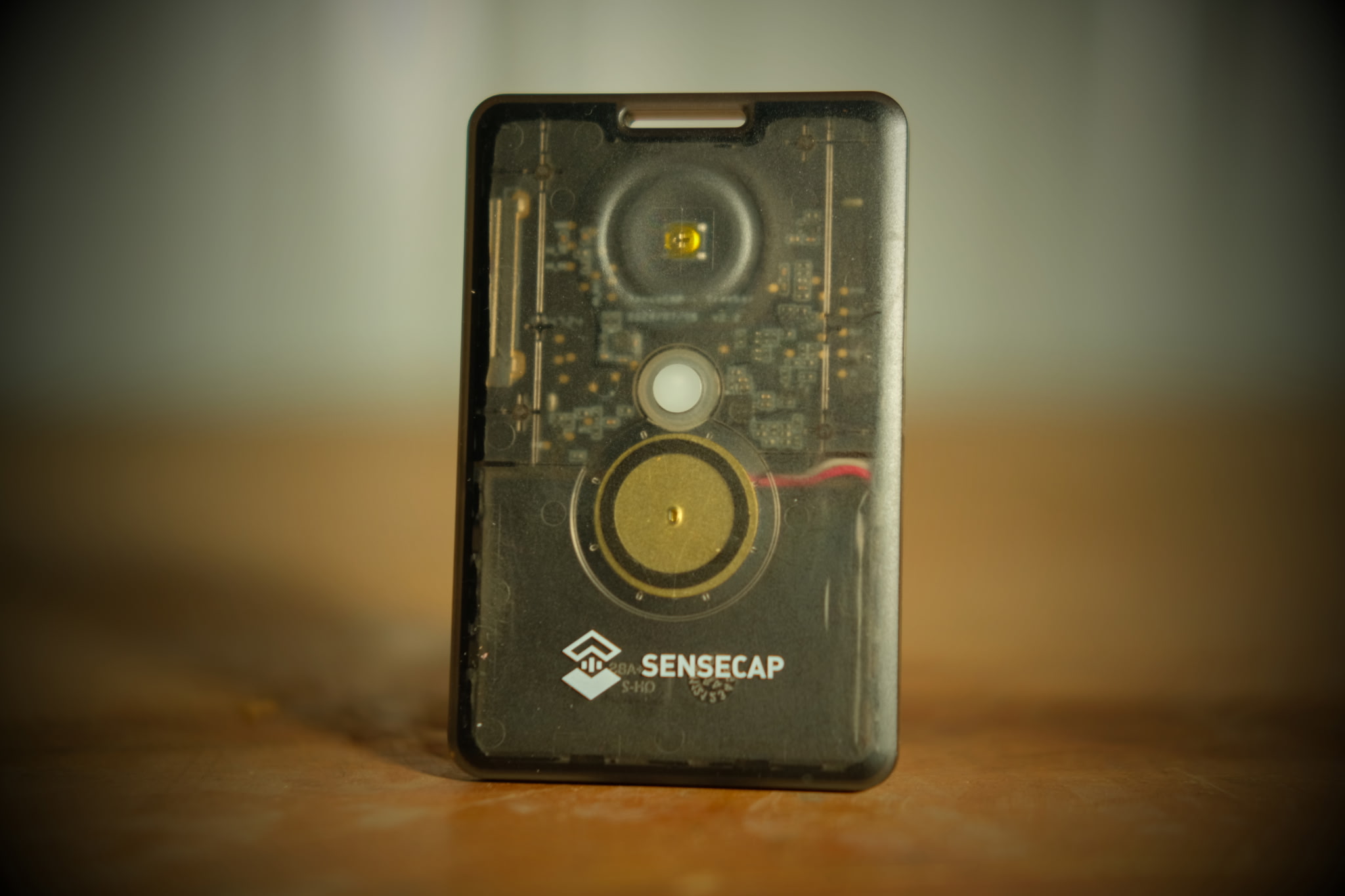
The T1000-E sits at the small end of Seeed’s tracker lineup. It’s the entry-level companion to the larger Wio Tracker L1 Pro, and it’s pitched at exactly the use case the form factor implies: pocket carry, asset tracking, light mesh participation. We’ve had ours in rotation alongside handheld nodes and vehicle repeaters long enough to know what it’s good at and where it gives up.
We’ve been running T1000-Es on the network for multiple weeks of daily carry. Pockets, packs, the truck, the occasional wrong-pocket scare on laundry day. This is the field report, not the box copy.
Full disclosure: Seeed sent us T1000-E units as review samples. Everything below is our own field opinion from time on the network. We carried this device on our devices pages before the affiliate program existed, and what we recommend hasn’t changed.
What’s in the Card
At the core is the nRF52840 from Nordic Semiconductor. It’s the same low-power chip you’ll find in the RAK4631, the LilyGo T-Echo, and most of the BLE-class mesh hardware worth carrying. Sleep current sits in the single-digit microamps. That’s how you get days of standby out of a 700 mAh battery.
The LoRa side is the more interesting choice. Seeed went with the Semtech LR1110 instead of the SX1262 that dominates the rest of the Meshtastic and MeshCore ecosystem. The LR1110 packs a sub-GHz LoRa transceiver, an on-chip GNSS scanner, and a passive WiFi sniffer onto one die. For the T1000-E’s actual position fix, Seeed pairs the LR1110 with a dedicated Mediatek AG3335 multi-constellation GNSS module. The LR1110 handles the radio, the AG3335 does the locating. Thoughtful silicon stack for a card that needs to know where it is and report itself on the mesh.
TX power tops out around 22 dBm (about 158 mW) at the chip. Enough to reach our repeater grid from most of the city. Well short of the amplified hardware you’d want for a fixed hilltop site.
GNSS is the headline. The AG3335 is a multi-constellation receiver, locks fast outdoors. We’ve watched it pull a fix from a cold start in under thirty seconds standing in an open parking lot. Inside a vehicle is the harder case — sky view drops, and so does fix speed.
The card also carries a buzzer, a 3-axis accelerometer, a light sensor, a temperature sensor, an indicator LED, and a single user button. Per Seeed’s wiki, the accelerometer is marked “to be continued” and the light sensor isn’t currently exposed in the companion app, so we’ll call those two “present in hardware” rather than “tested in the field.”
No display. No external antenna connector. No expansion header. It’s a sealed unit that does one thing.
Power and Charging
This is where the wishlist lives.
The 700 mAh LiPo holds for days on standby with the radio quiet. Turn GPS on and run it as an active client and you’re at about a day per charge. Serviceable for a tracker. Not enough for a device you forget to charge for a week.
We’d take a bigger battery. A 1500 mAh version in the same footprint, even at the cost of an extra millimeter of thickness, would close the gap between “tracker” and “daily node.” Seeed could ship a T1000-E Plus and we’d buy a case.
We’d take an amplified radio variant. The 22 dBm output is fine for a personal tracker. A 27 dBm sibling (around 500 mW) would turn this into a credible quiet pocket repeater for users who want to seed coverage by accident. Not every tracker needs that. Some of us do.
USB-C would be nice. We understand why it’s not there. The card is sealed and pocket-thin, and the pogo-pin contacts are a deliberate trade for that. Adding a USB port punches a hole through the housing and changes the form factor. The pogo pins work. They just mean one more charging cable on the desk. We’d still take USB-C if Seeed could engineer it in without losing the sealed envelope.
In the Field
Range on our existing repeater grid lands where you’d expect for a 22 dBm radio with an internal PCB antenna: solid for in-town coverage, marginal at the edges, not going to reach a hilltop site without something in between. T1000-E to T1000-E, ground-level to ground-level, we held clean comms at 3.9 miles (6.3 km) in our testing. We use it as a personal device on the mesh. It sends our position and our messages and lets the rest of the network do the relaying.
GPS lock is faster than the spec sheet suggests, probably because the AG3335’s multi-constellation support means it has more satellites to choose from in any given second. We’ve never waited more than a minute for a cold start outdoors.
The IP rating shrugs off rain and the inside of a coat pocket. We haven’t drowned one. We’ve been careful around the pogo-pin contacts because that’s the one break in an otherwise sealed surface.
The buzzer is the loudest part of the card. The button takes a deliberate press, which we appreciate, because the alternative is accidental wake from a pants pocket.
Full Specs
| Spec | Detail |
|---|---|
| MCU | Nordic nRF52840 |
| LoRa Chip | Semtech LR1110 |
| Max TX Power | ~22 dBm (≈158 mW) at the chip |
| GNSS | Mediatek AG3335 multi-constellation receiver |
| Bluetooth | Bluetooth Low Energy (BLE) |
| Battery | 700 mAh LiPo |
| Charging | Pogo pins (magnetic puck accessory) |
| Sensors | Buzzer, LED, temperature sensor; accelerometer + light sensor present in hardware (firmware exposure pending per Seeed wiki) |
| Buttons | 1 user button |
| Firmware | Meshtastic, MeshCore |
| IP Rating | IP65 |
| Dimensions | 85.6 × 54 × 6.5 mm (credit-card class) |
| Price | $39.90 USD |
Where It Sits Next to the RAK WisMesh Tag
The closest rival to the T1000-E in spirit is RAK Wireless’s tracker offering, the WisMesh Tag. Different vendor, different silicon stack, similar tracker-first design intent at a similar price point. Both run Meshtastic and MeshCore. The form factor differs (the WisMesh Tag is a badge/lanyard rather than a card).
We haven’t run the WisMesh Tag through our network the way we have the T1000-E, so we’re not going to put specific numbers up against it here. It deserves its own side-by-side. We’re working on that post. For now, if you’re choosing between them, watch for the dedicated comparison piece.
What We Tested
GPS lock from cold start. Under thirty seconds in the open. Slower inside a vehicle as the metal roof attenuates sky view — about what you’d expect from any consumer GNSS at this size.
Battery life in real carry. Days on standby with the radio quiet. About a day per charge with GPS on and the device running as an active client. Charge it when you charge the phone and it stays in play.
Range in the field. T1000-E to T1000-E ground-level to ground-level: clean comms at 3.9 miles (6.3 km). Reliable in-town beyond that thanks to the repeater grid. Edges get patchy. Don’t expect to reach a hilltop site directly. It works because the rest of the network footprint does the heavy lifting.
Survivability. Pocket carry, coat pocket, console drop. The IP65 shrugged off everything short of submersion. We haven’t tried submersion. We don’t plan to.
Who This Card Is For
If you want a mesh tracker that disappears in a pocket and shows up on the map, the T1000-E is the right call. It’s the lowest-friction way to put another node on the network.
If you’re building a portable mesh kit and want a daily-carry layer underneath a handheld, this is the layer. Pair it with something bigger for messaging and use the T1000-E as the locator.
If you want to do heavy lifting for the network (relay traffic for other users, run as a repeater, anchor a corner of the grid), this isn’t that device. It’s a personal endpoint. It doesn’t carry the battery, antenna, or TX power to retransmit for everyone else.
If you want one device that does everything, look at the Wio Tracker L1 Pro instead. The T1000-E is good at being small. That’s the trade. If you’re weighing the two against each other, we have a side-by-side comparison that gets specific.
We’re keeping ours in rotation. If Seeed ships a version with a bigger battery or an amplified radio, we’ll be first in line.
Watch the Review
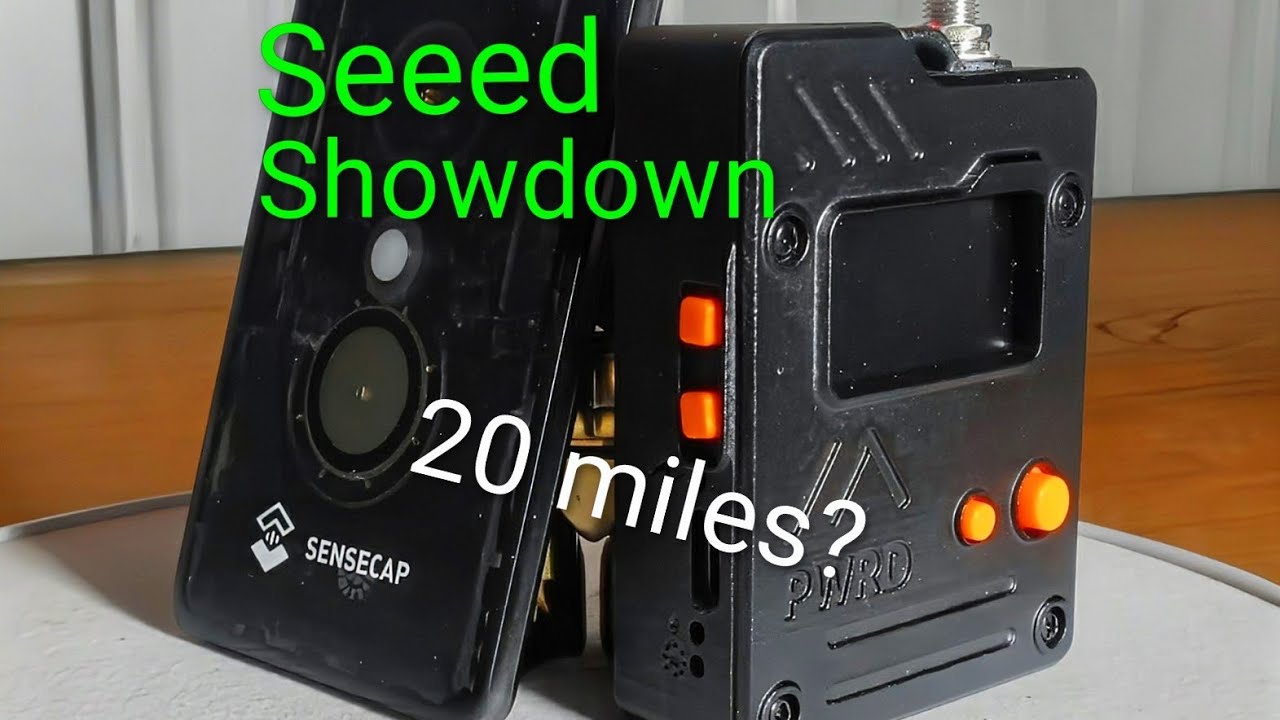
We walked through the T1000-E on camera too. Watch the video review on YouTube.
Every product link in this post is an affiliate link, and the coupon code below credits NodakMesh whether you use our link or not. We carried this device on our devices pages before the affiliate program existed. Nothing about what we recommend has changed.
You can find the SenseCAP T1000-E on Seeed Studio with code PLQS9LD3.
Comments
Related Posts
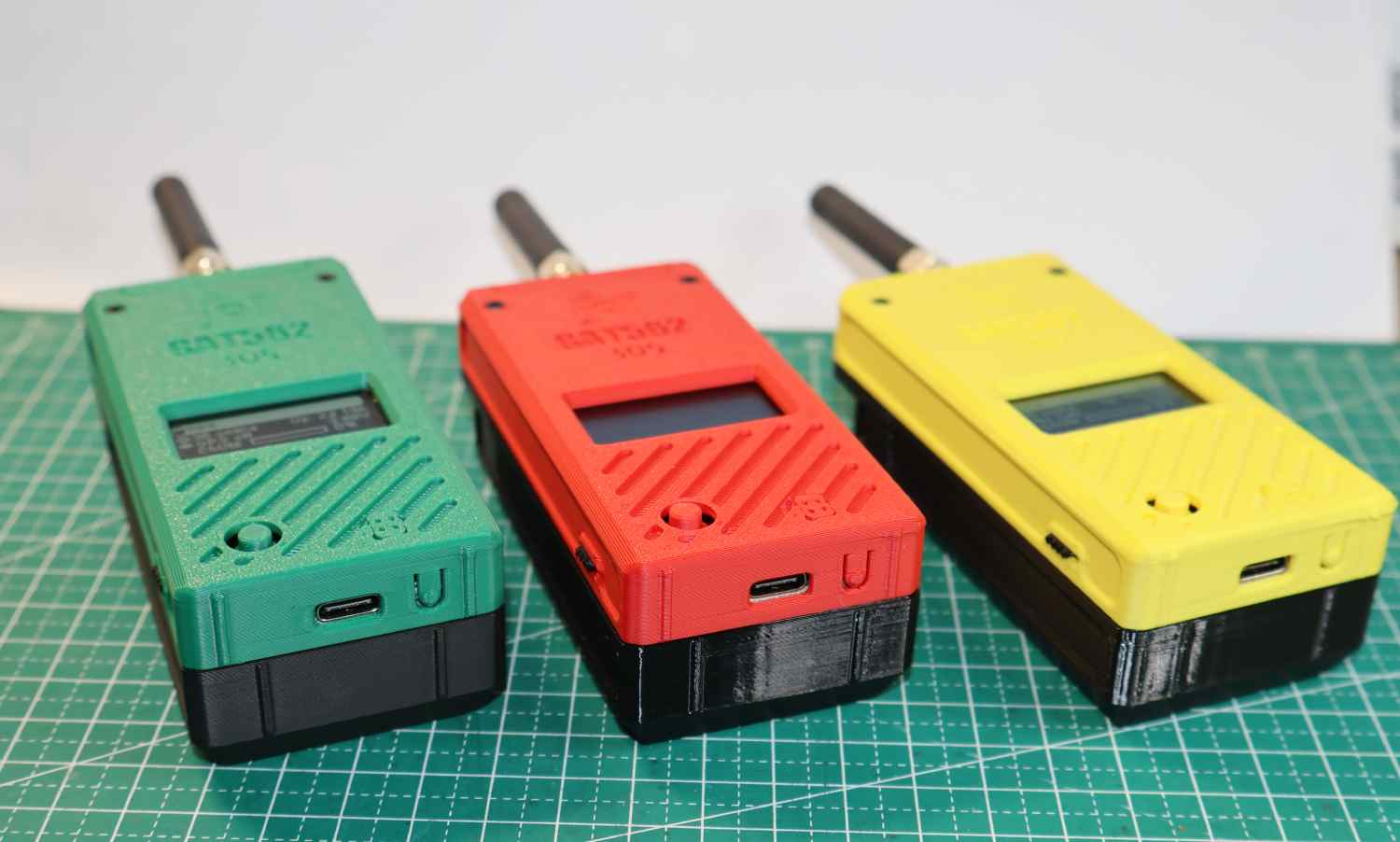
GAT562 30s Kit Long-Term Review: 30dBm, Both Firmwares
GAT562 30s Kit long-term review: 30dBm repeater on a convention center's 16th floor, a reliable carpeater across Fargo, MeshCore and Meshtastic.
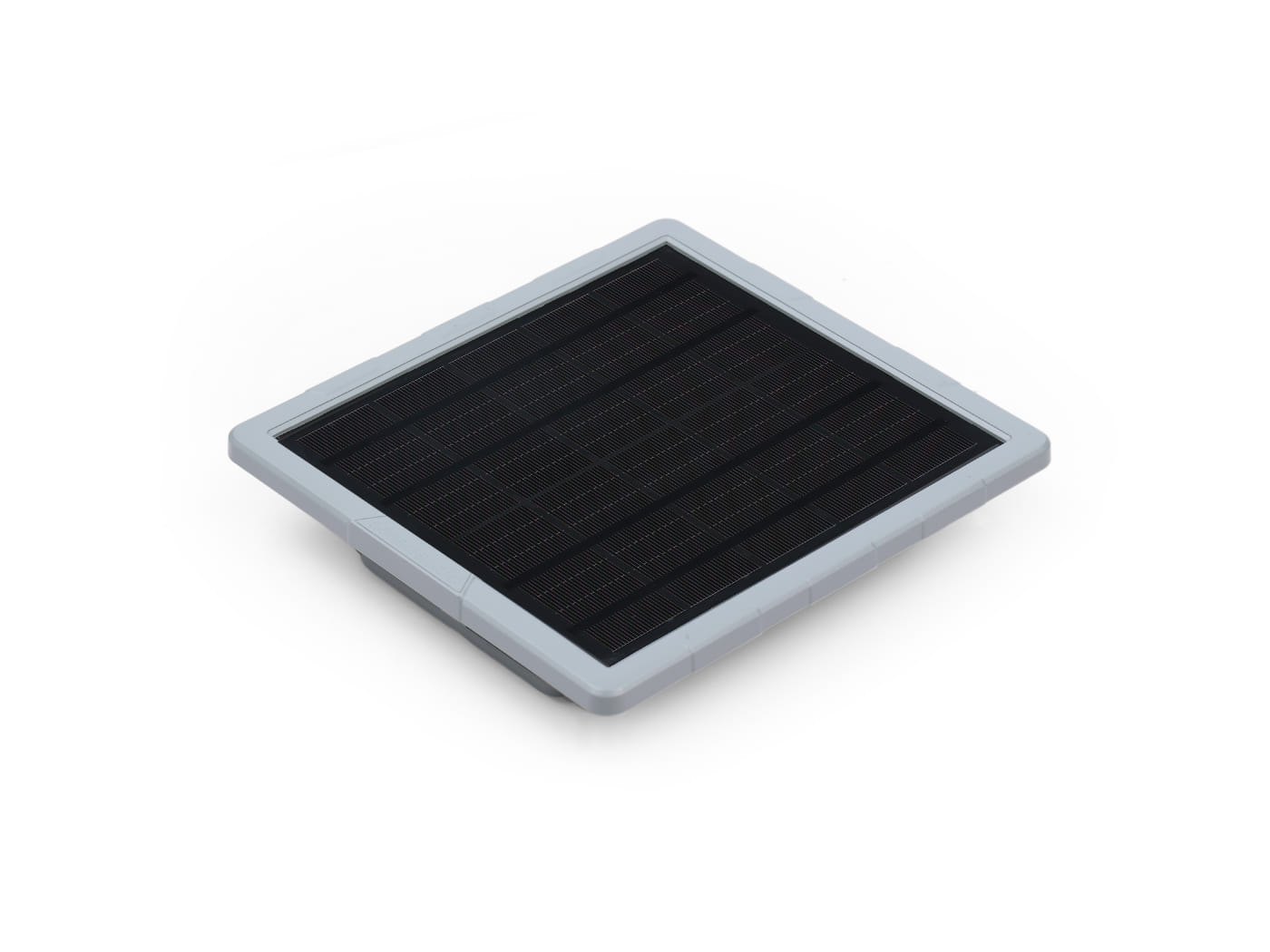
SenseCAP Solar Node P1-Pro Review: Our Go-To Solar Repeater
SenseCAP Solar Node P1-Pro review: months on the roofline, a 19km link, and a battery that just works. One nitpick: RP-SMA.
Wio Tracker L1 Pro Long-Term Review: Still Our Favorite Node
The Wio Tracker L1 Pro has survived a 12-foot concrete drop, a security convention in Minneapolis, and months of outdoor use. Still our top pick.