3D-Fuel Partnership: Mesh Node Filament Made in Fargo
NodakMesh partners with 3D-Fuel, which makes its filament in Fargo, USA. We toured the plant. Code NODAKMESH takes 10% off, plus a spool for every build.
Nearly every node on our network lives in a box that came off a 3D printer. A few people have asked on our Discord what filament to print theirs in, and we already had a brand we really like. So we’re making it official. NodakMesh is partnering with 3D-Fuel, a filament maker in Fargo that makes every spool in its own plant, here in the USA.
Here’s what we saw when we visited, why we picked them, and what to print each kind of build in.
Full disclosure: the 3D-Fuel links in this post and on our filament guide are affiliate links. If you buy through one, we earn a small commission and your price doesn’t change. The code NODAKMESH takes 10% off your entire order. It’s applied for you at checkout, and it only works on online orders.
We Went and Looked
We don’t put our name on a product we haven’t seen made. 3D-Fuel invited us to their plant at 2222 7th Ave N and walked us through production.
The first thing you hit is a storefront. There are racks of filament you can buy off the shelf, and next to them printed examples made from the spools, so you can see and handle the material before you pick a color.
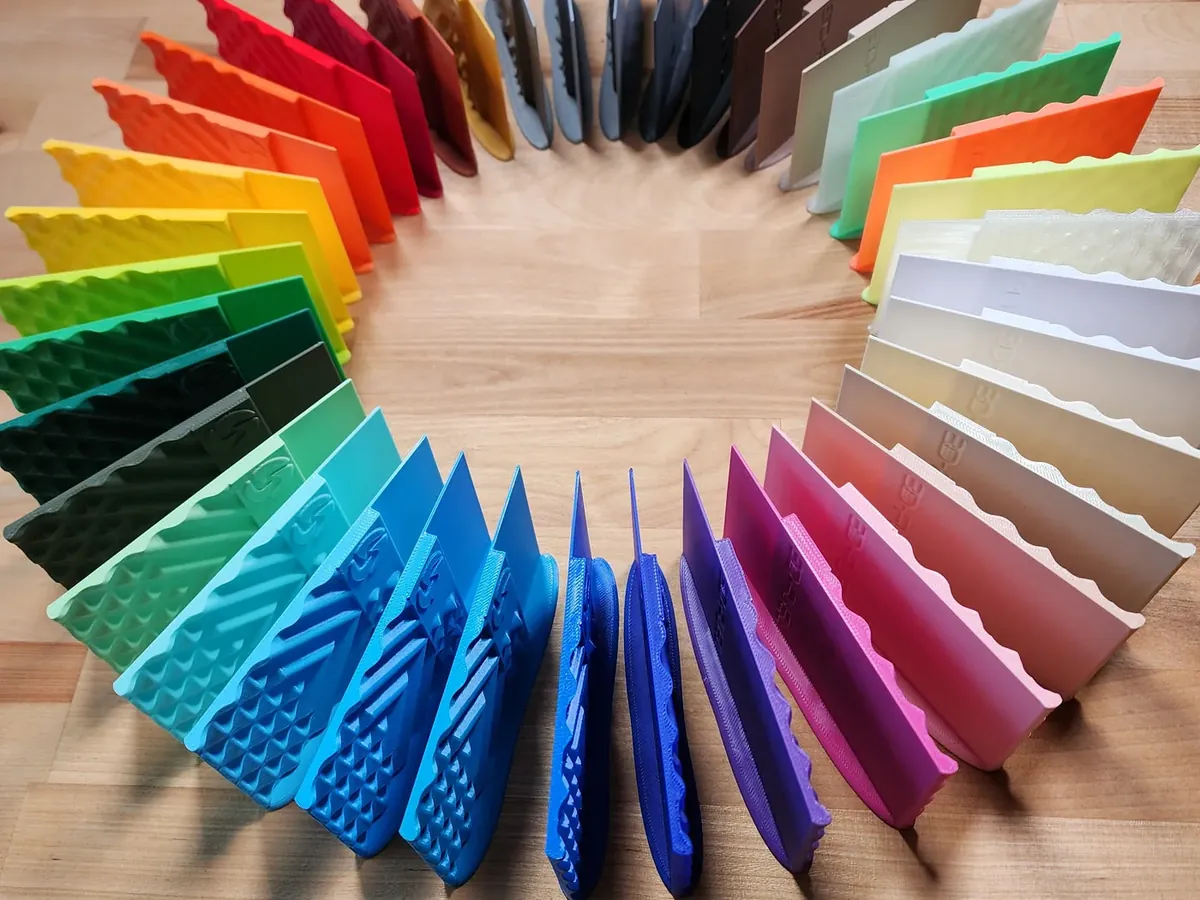 Printed samples in 3D-Fuel’s colors. Photo: 3D-Fuel.
Behind that is the production floor. 3D-Fuel says every spool is made in-house, “from material prep to final inspection,” and we watched how that plays out. They keep a close eye on the parameters while each roll is being spooled, and a spool that doesn’t meet their standard gets pulled. It doesn’t ship as a regular spool. (More on where it goes below.)
That’s the part that matters if you print batches. A box you print today and a box you print in March should behave the same, and that comes down to how consistent the filament is. After the visit our read is simple: they’re the real deal.
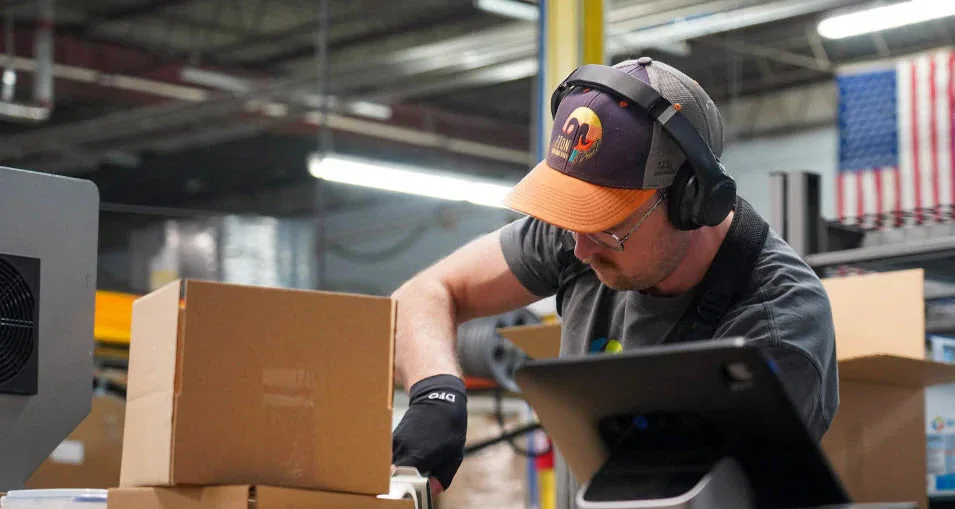 The production floor at 3D-Fuel in Fargo. Photo: 3D-Fuel.
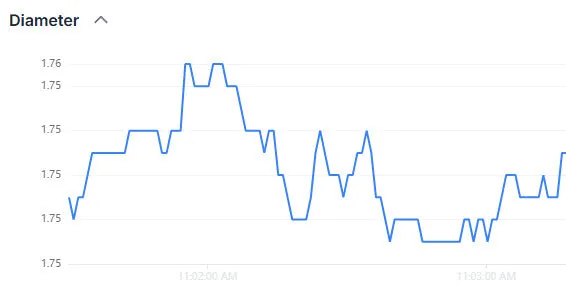 Diameter readings logged while a spool is made, holding at 1.75 mm. Image: 3D-Fuel.
Those pulled spools get a second life as ReFuel. 3D-Fuel grinds the spools that missed the mark, along with color-change material and scraps, into pellets and makes new filament from them. They say it’s the same material as their regular spools, sold at a steep discount. The catch is color. It’s a random blend, so every ReFuel spool comes out different and you don’t get to pick. Today ReFuel Pro PCTG is $18.90 a kilo against $29.95 new, ReFuel PETG is $21.90 against $28.95, and ReFuel glass fiber PCTG is $49.90 against $59.95. Prices move, so check the shop.
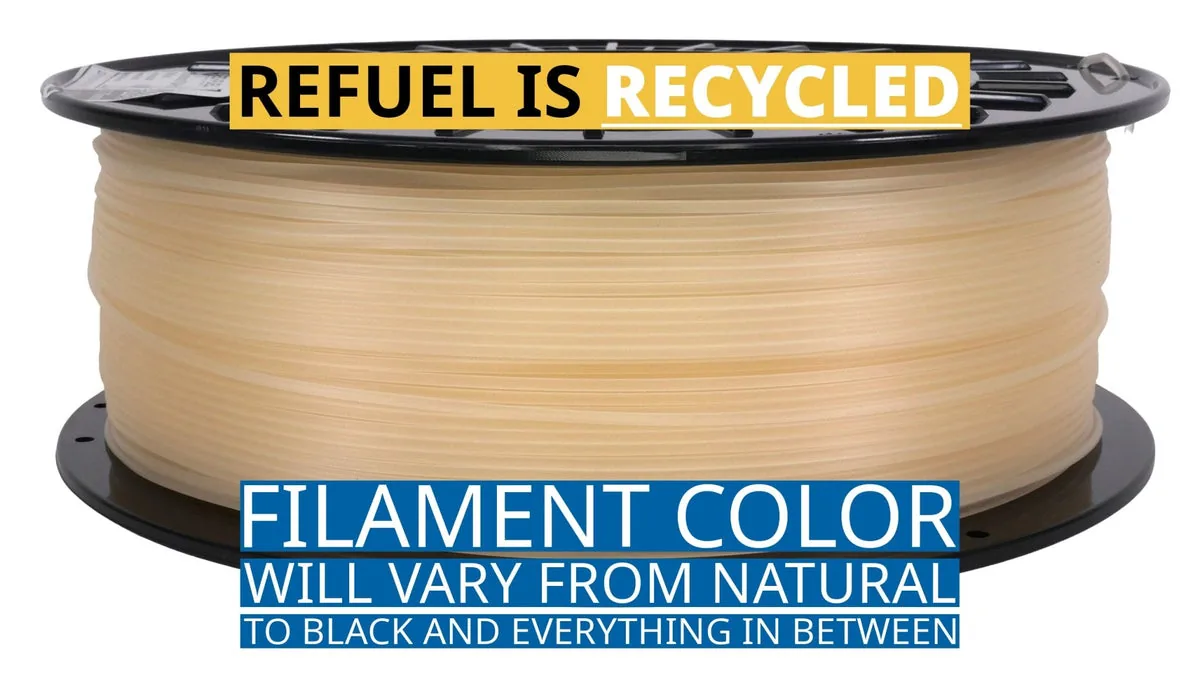 ReFuel spools are recycled, so the color varies. Photo: 3D-Fuel.
Color matters less on a part nobody will see. ReFuel is a cheap way to print spare cases, prototypes and test fits (3D-Fuel pitches ReFuel PCTG as the easy way to try PCTG for the first time), and the money you save goes toward the good spool for the box that lives on the roof.
Why We Picked Them
It’s made in the USA, and it’s local. Every spool comes out of their own plant in Fargo. We’re a North Dakota network, and sending people to a US maker down the road beats sending them to a marketplace listing whose brand name changes every six months.
The materials fit what we build. The one we reach for is Pro PCTG. It prints much like PETG but stays tough in hard cold, where PLA turns brittle, and it holds its shape in summer sun. 3D-Fuel rates it up to 30 times tougher than PETG. That’s their figure, not ours, so treat it as a rating and not a lab result. It costs $29.95 a kilo in most colors, about $4 more than their Standard PLA+.
There’s a glass fiber option for mounts. PCTG-GF10 is PCTG with 10% glass fiber. It’s stiffer, so a bracket doesn’t sag under the weight of a mast and antenna. Glass fiber is what antenna radomes are made of, so it doesn’t bother LoRa. Carbon fiber is different. It conducts, and a carbon part near your antenna can detune it or soak up signal. Use carbon for structure only, and keep it well away from the radio.
No fillers. Their Standard PLA+ is virgin NatureWorks Ingeo resin, and Pro PETG is virgin PETG. According to 3D-Fuel, neither has fillers, which is part of why they print predictably.
What to Print With What
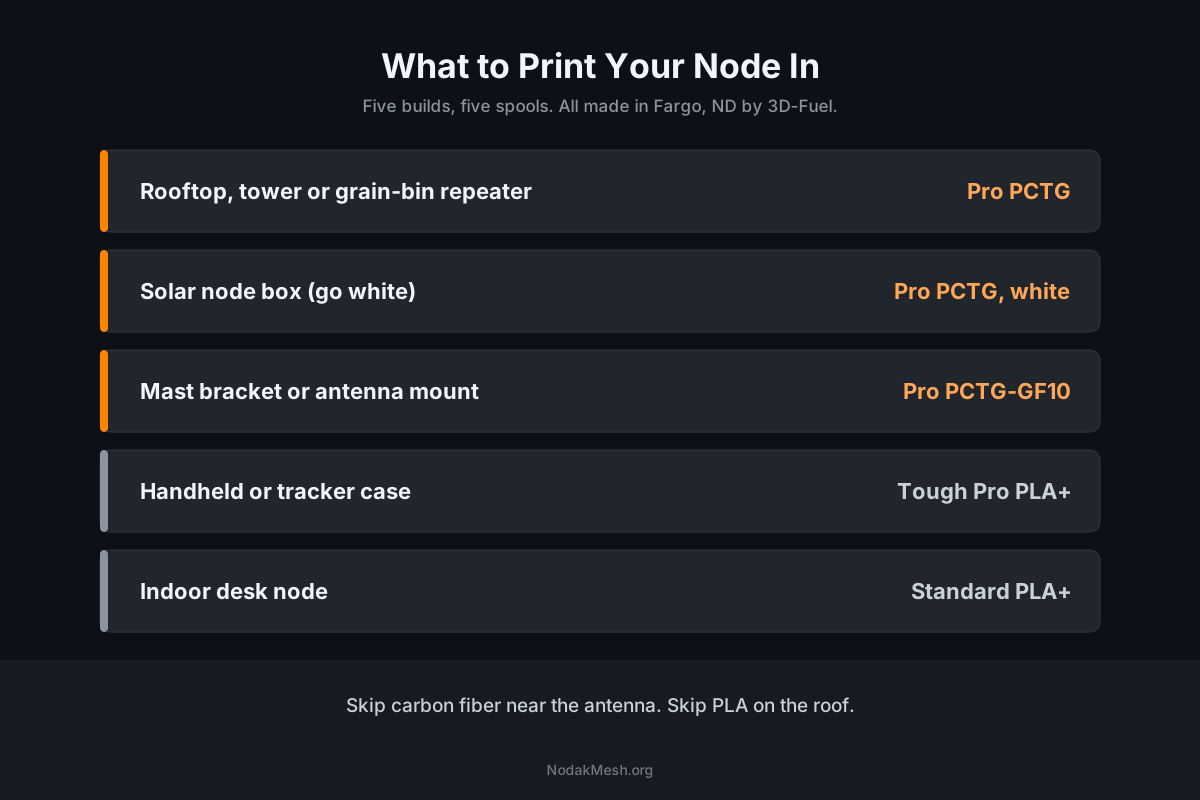
The filament guide goes build by build, with print temperatures and a specific spool for each. The short version:
| Build | Print it in | Why |
|---|---|---|
| Rooftop, tower or grain-bin repeater | Pro PCTG, white or light gray | Tough outside, doesn’t go brittle in the cold |
| Solar node box | Pro PCTG, white | Light plastic keeps the battery cooler |
| Mast bracket or antenna mount | Pro PCTG-GF10 | Stiff enough to hold up a mast load |
| Handheld or tracker case | Tough Pro PLA+ | Strong, easy to print, lives in a pocket |
| Indoor desk node | Standard PLA+ | Cheapest and easiest, never sees heat |
The mistake we see most is PLA on a roof. It softens around 55 to 60 °C, and a sealed box in direct sun gets there without trouble. Keep PLA for the desk. The guide lists the rest of what kills nodes.
New to PCTG? 3D-Fuel sells 50 g sample coils for $4.90. Enough to test print a small part and see how it behaves on your machine before you commit to a kilo. Want enough for a whole case? A kilo of ReFuel PCTG is $18.90. Glass fiber and carbon fiber are abrasive, so run a hardened nozzle for those.
Need something to print? Our 3D printing hub has 70+ free cases and mounts for the common boards. If you’re building a box for the roof, the solar repeater build walks through the whole thing, and the off-grid repeat guide covers placement.
Picking It Up in Fargo
3D-Fuel is at 2222 7th Ave N, Fargo, ND 58102. The storefront is worth a visit even if you only go to see the printed samples next to the racks.
The NODAKMESH code only works on online orders, and it doesn’t apply to purchases made in the store. So if you want the 10% off, order through 3D-Fuel’s shop first. If you’re local, pick the local pickup option at checkout and grab your order at the store. No waiting on shipping.
If you stop by, tell them NodakMesh sent you.
Shipping instead? Their site lists free shipping to the lower 48 on orders over $99, which a few spools plus a 4 kg roll of your main color clears quickly.
If you print a node case in it, post a picture in our Discord. We’d like to see what goes up on rooftops and grain bins, and how it holds up once the cold sets in.
Comments
Related Posts
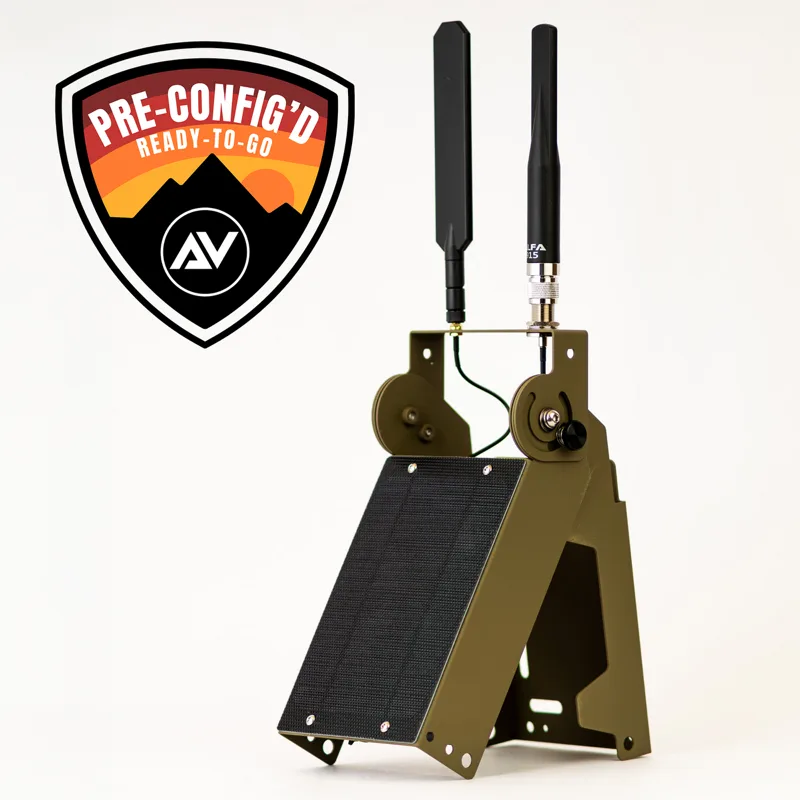
Atlavox Affiliate Partnership: Handhelds and Solar Nodes
NodakMesh joined Atlavox's affiliate program. The M1 handheld, Beacon solar node, Beacon Preconfigured, and DIY case on our devices page.
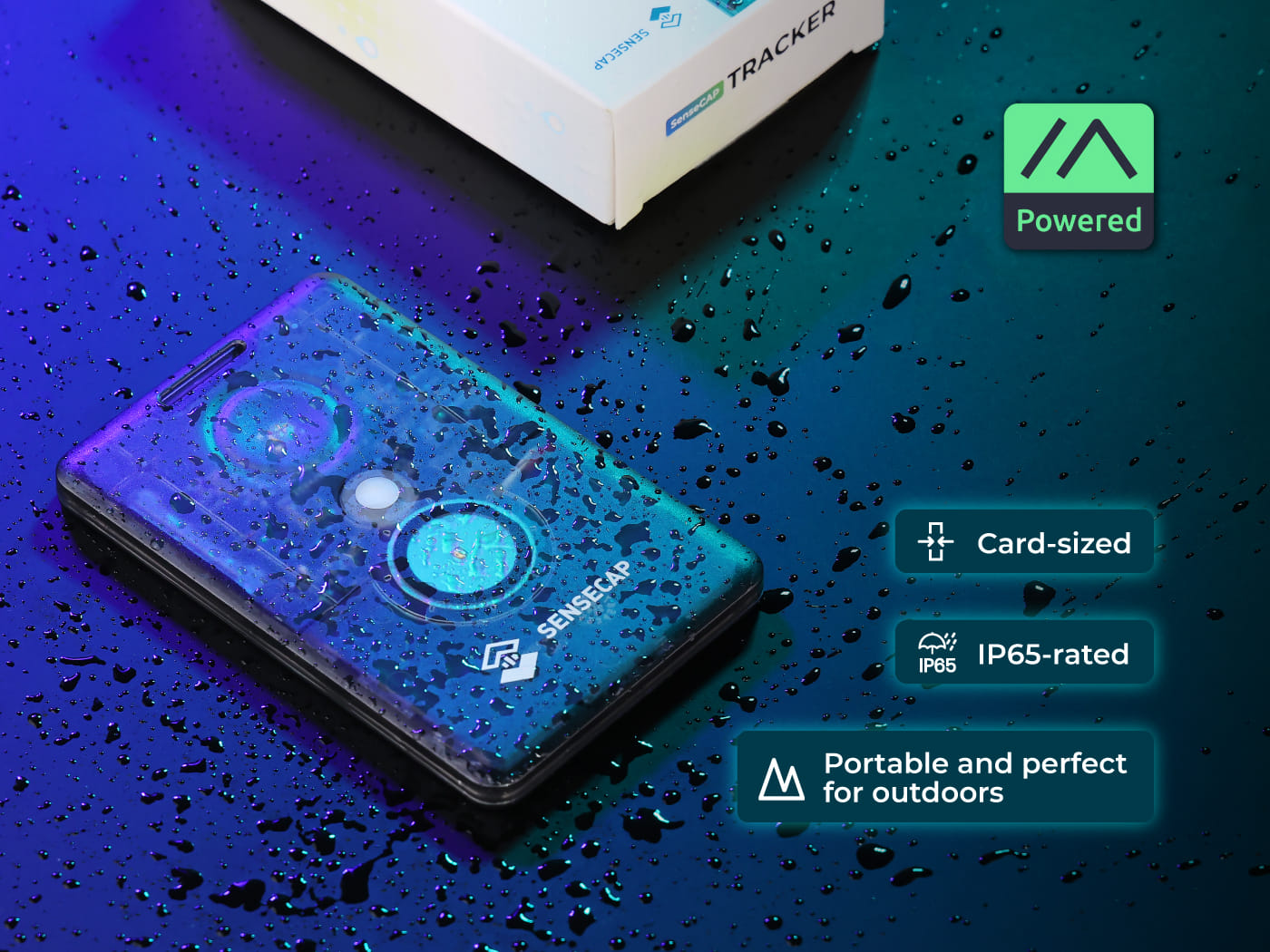
Seeed Studio Affiliate Partnership
NodakMesh joined Seeed Studio's affiliate program. Six Meshtastic and MeshCore products, each with a reader coupon code that saves you money at checkout.

MeshCore vs Meshtastic: What Network Are You Building?
MeshCore floods once and learns a path. Meshtastic floods every hop. Pick by what you're trying to build, not which protocol wins.