Best Meshtastic and MeshCore Gifts for Christmas 2026
Nine Meshtastic and MeshCore nodes to give this Christmas, from $27 to $270: card trackers, handhelds and solar repeaters we've used, with tips.
On this page
- Quick Picks
- Before You Buy: Four Things to Know
- Under $50: Card Trackers
- SenseCAP MeshTracker X1: The One We Carry Every Day
- SenseCAP T1000-E: The Stocking Stuffer
- RAK WisMesh Tag: A Card in Navy
- $50 to $100: Handhelds
- Seeed Wio Tracker L1 Pro: Still Our Favorite Node
- Atlavox M1: Built to Order, Ready When They Open It
- For the Tinkerer
- Heltec V3: The Classic Starter Board
- GAT562 30s Kit: 30 dBm, Both Firmwares
- For the Person Building Coverage
- SenseCAP Solar Node P1-Pro: Set It and Forget It
- Atlavox Beacon: Tower-Grade Solar
- Side by Side
- Gift Tips
- Frequently Asked Questions
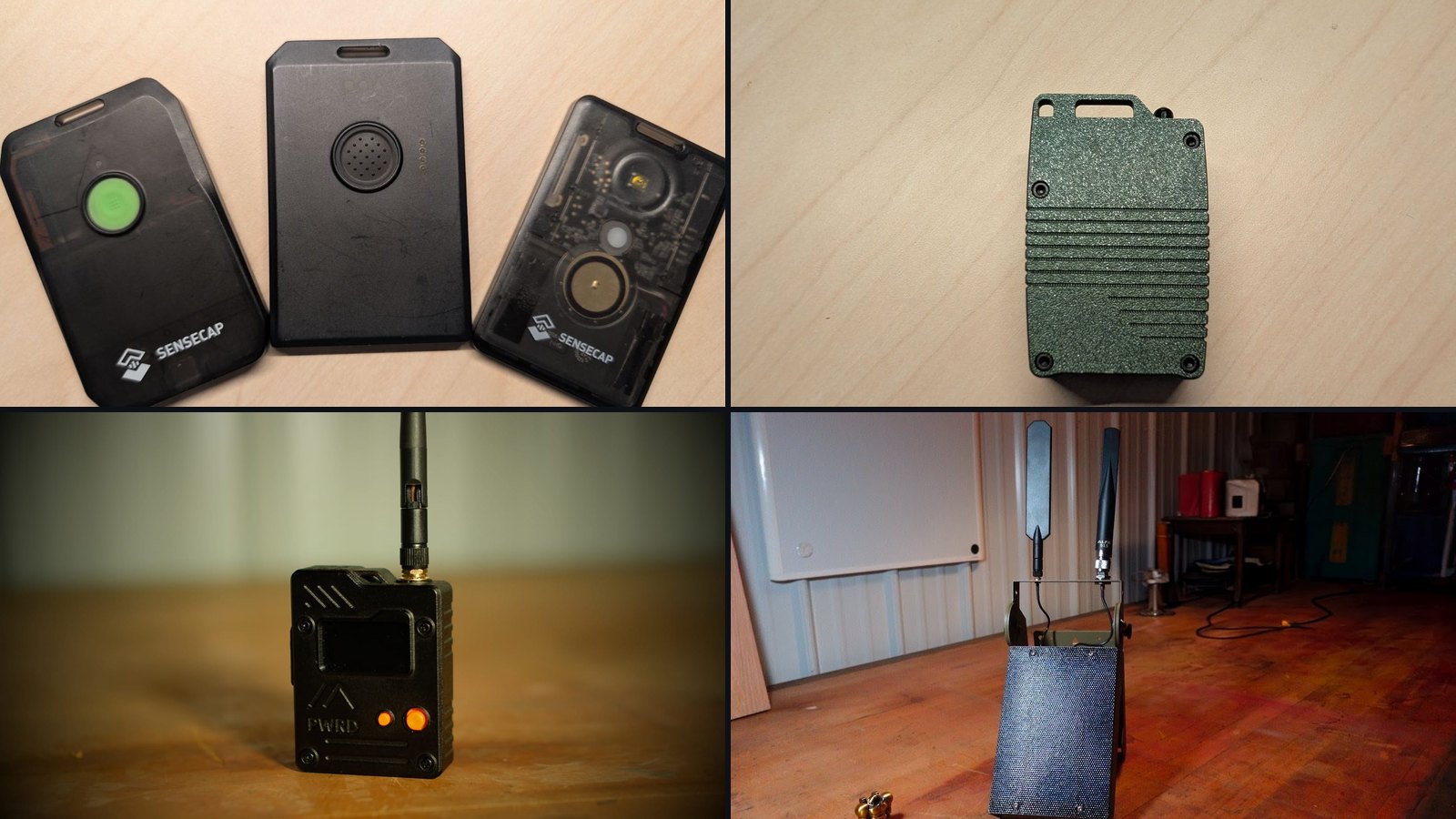
A mesh node is a small LoRa radio that lets someone send text messages and share their location with no cell service, no internet and no monthly bill. It pairs with a phone over Bluetooth, and the messages hop from radio to radio across the mesh. For the person who hikes, hunts, camps, likes gadgets, or just wants a way to reach family when the towers are down, it’s a gift they’ll use well past Christmas.
Every node below runs both Meshtastic and MeshCore, the two firmware projects most mesh networks use. Every one of them has been in our hands, and most have been in our pockets, on our roof or up a tower for months. Each pick links to our full review.
Prices are what each store listed at the time of this post. Some of these were review units from their makers. Links to Seeed, Atlavox and Rokland are NodakMesh affiliate links, and the price is the same for you either way.
Quick Picks
| For | Gift | Price |
|---|---|---|
| A stocking stuffer | SenseCAP T1000-E | $39.90 |
| The best card tracker for everyday carry | SenseCAP MeshTracker X1 | $49.90 |
| A rugged node with a screen | Seeed Wio Tracker L1 Pro | $52.99 |
| Ready to use, built to order | Atlavox M1 | from $76.99 |
| The tinkerer | Heltec V3 or GAT562 30s Kit | $26.97 to $75.99 |
| Building coverage for a whole town | SenseCAP Solar Node P1-Pro | $100.99 |
| The big gift: a tower-grade repeater | Atlavox Beacon | from $235.99 |
Before You Buy: Four Things to Know
1. A node needs other nodes. One radio by itself has no one to talk to. Either there’s already a mesh near them, or you give two. A matched pair is the best gift on this list for a couple, a parent and a teenager, or two friends who hunt together. Our coverage map shows where the North Dakota mesh reaches, and most areas have a community map or Discord.
2. Meshtastic or MeshCore. Both are free, and every node here can run either one. Radios on one can’t talk to radios on the other, so match whatever their local mesh uses. If they’re starting from scratch, our MeshCore vs Meshtastic comparison lays out the difference in plain terms.
3. No license, no subscription. In the US these radios use the unlicensed 915 MHz band, so anyone can use one the day they open it. The phone apps are free for both projects. Buy the US 915 MHz version when a store asks.
4. Most of these need a phone. The card trackers and the M1 have no screen. You read and send messages in the Meshtastic or MeshCore app, and the radio does the long-distance part. The L1 Pro adds a small screen so they can see messages at a glance.
Under $50: Card Trackers
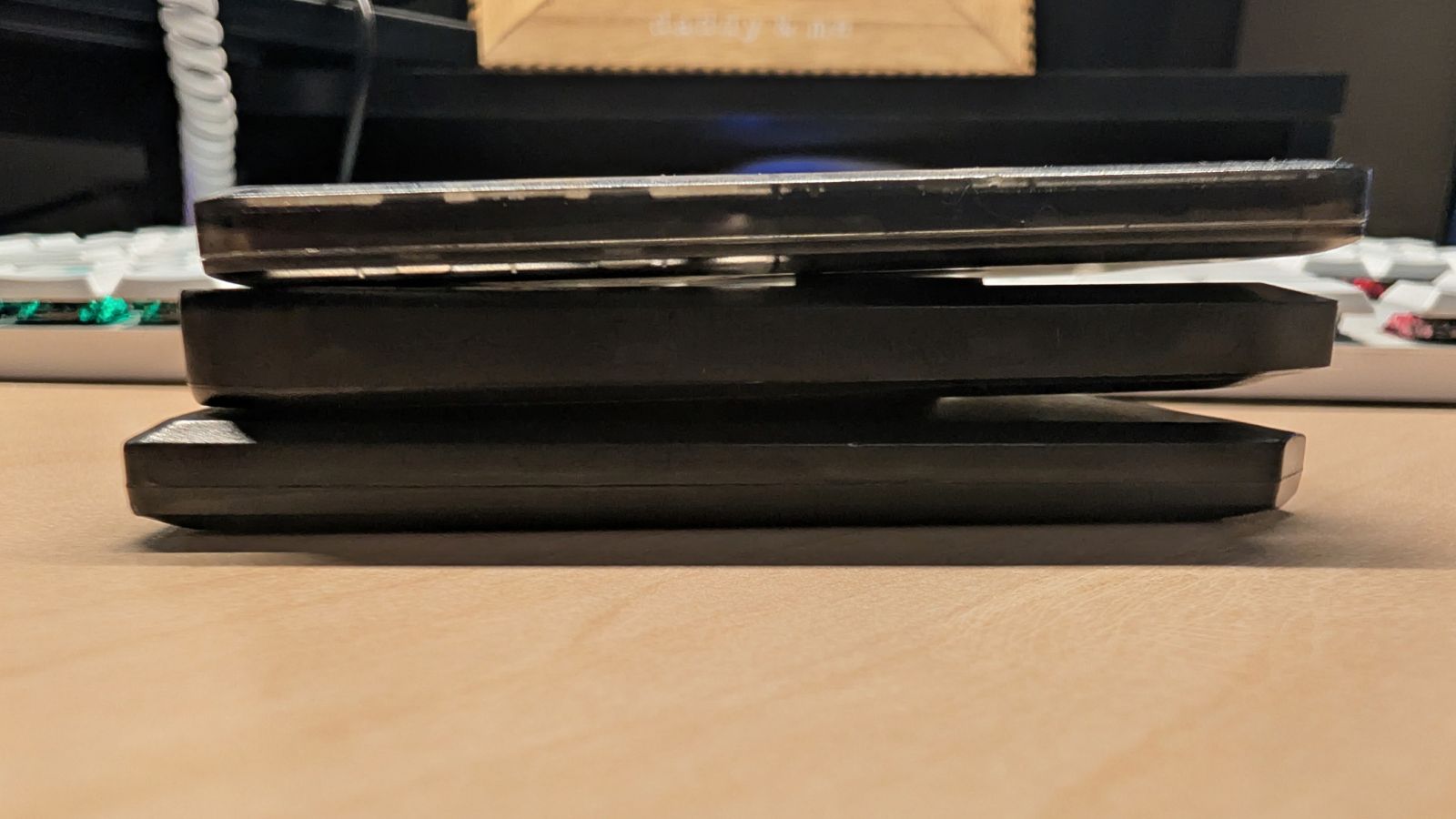
Card trackers are the size of a few stacked credit cards. They clip to a bag, ride in a jacket pocket and charge every few days. They’re easy gifts because there’s nothing to assemble, no antenna to snap off and no case to print.
SenseCAP MeshTracker X1: The One We Carry Every Day
$49.90 at Seeed Studio
The X1 is the card tracker we reach for first. In a month of daily carry it ran 4.5 to 5 days per charge and heard more of the mesh than either of the other two cards we carry, on the same routes. A built-in vibration motor buzzes when a message comes in, so it reaches you through a jacket. It charges over USB-C, it’s sealed to IP66, and it has dual-band GPS. It ships with Meshtastic and runs MeshCore too.
If you’re buying one card tracker for someone who’ll carry it every day, this is the one. Read our MeshTracker X1 review.
SenseCAP T1000-E: The Stocking Stuffer
$39.90 at Seeed Studio
The T1000-E is the thinnest node on this list, at 6.5 mm, and it disappears in a pocket. It charges on a magnetic cable that comes in the box, and its 700 mAh battery lasts about a day of active use, so it suits someone who charges their gear every night anyway. It runs Meshtastic and MeshCore, and at $39.90 it’s the lowest-cost way to put someone on the mesh with a finished, sealed device. Read our T1000-E review.
RAK WisMesh Tag: A Card in Navy
$46 at Rokland, or $49.99 at Atlavox
RAK’s card tracker has a 1000 mAh battery, GPS, an IP66 rubberized case and the same SX1262 radio as most mesh hardware, and it runs both firmwares. It’s the third card we carry. Next to the X1, it went back on the charger days sooner and held weak links less well in our side-by-side carry, so we’d spend the extra few dollars on the X1 for daily carry. The Tag still makes sense when it matches gear they already have from RAK, or for a set of trackers for a family or a hunting party. At the time of this post the black Tag was sold out at both stores, and navy (blue at Atlavox) was in stock. Our X1 review compares all three cards.
$50 to $100: Handhelds
Seeed Wio Tracker L1 Pro: Still Our Favorite Node
$52.99 at Seeed Studio
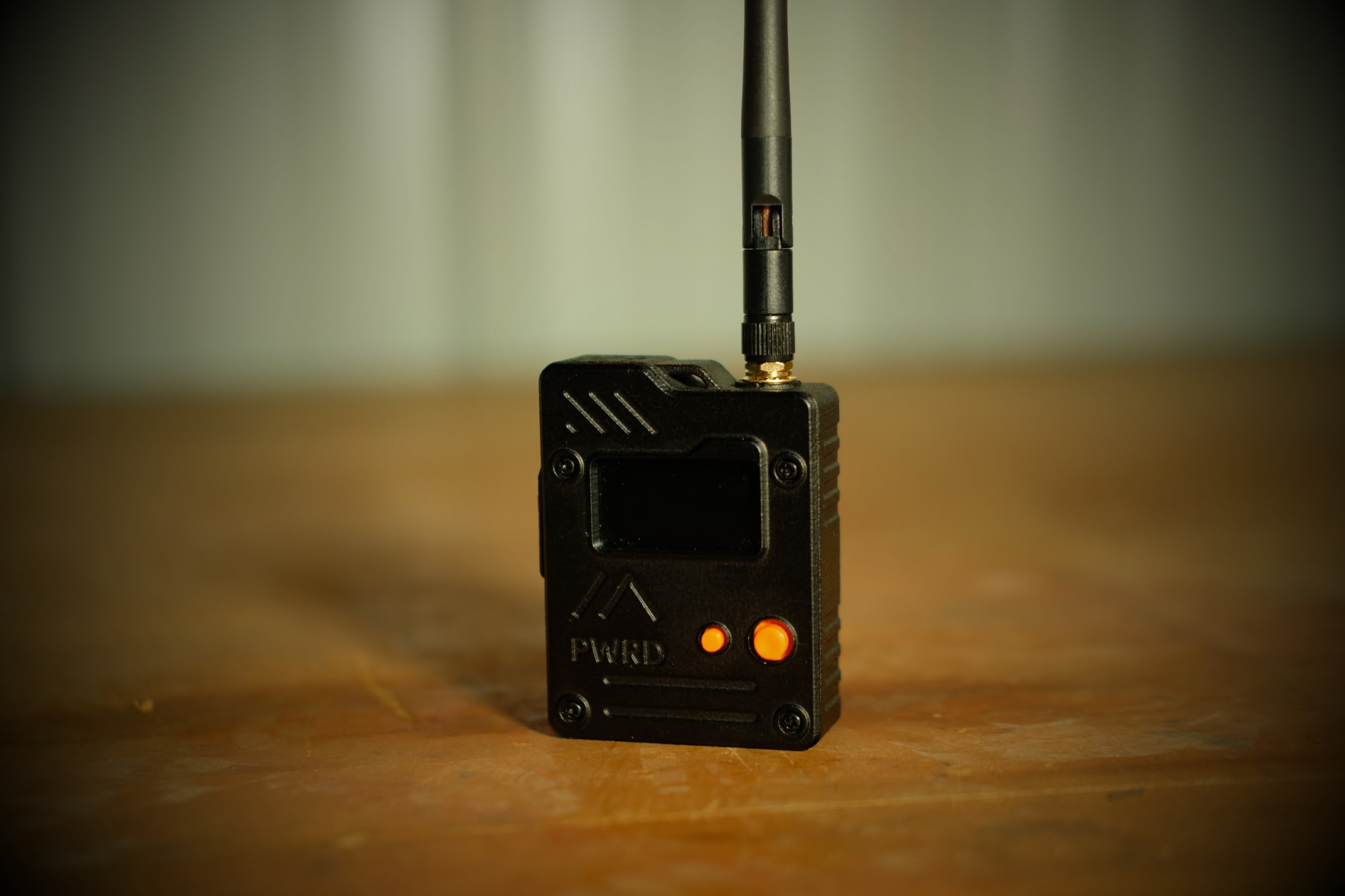
If the person on your list wants a little screen, this is the gift. The L1 Pro has an OLED display, GPS, a built-in battery that runs about five days per charge, and a screw-on antenna they can upgrade later. It’s the node our whole team defaults to. One of ours survived an accidental 12-foot drop onto concrete. It ships with Meshtastic and runs MeshCore. Read our L1 Pro review and the long-term follow-up.
Atlavox M1: Built to Order, Ready When They Open It
From $76.99 at Atlavox
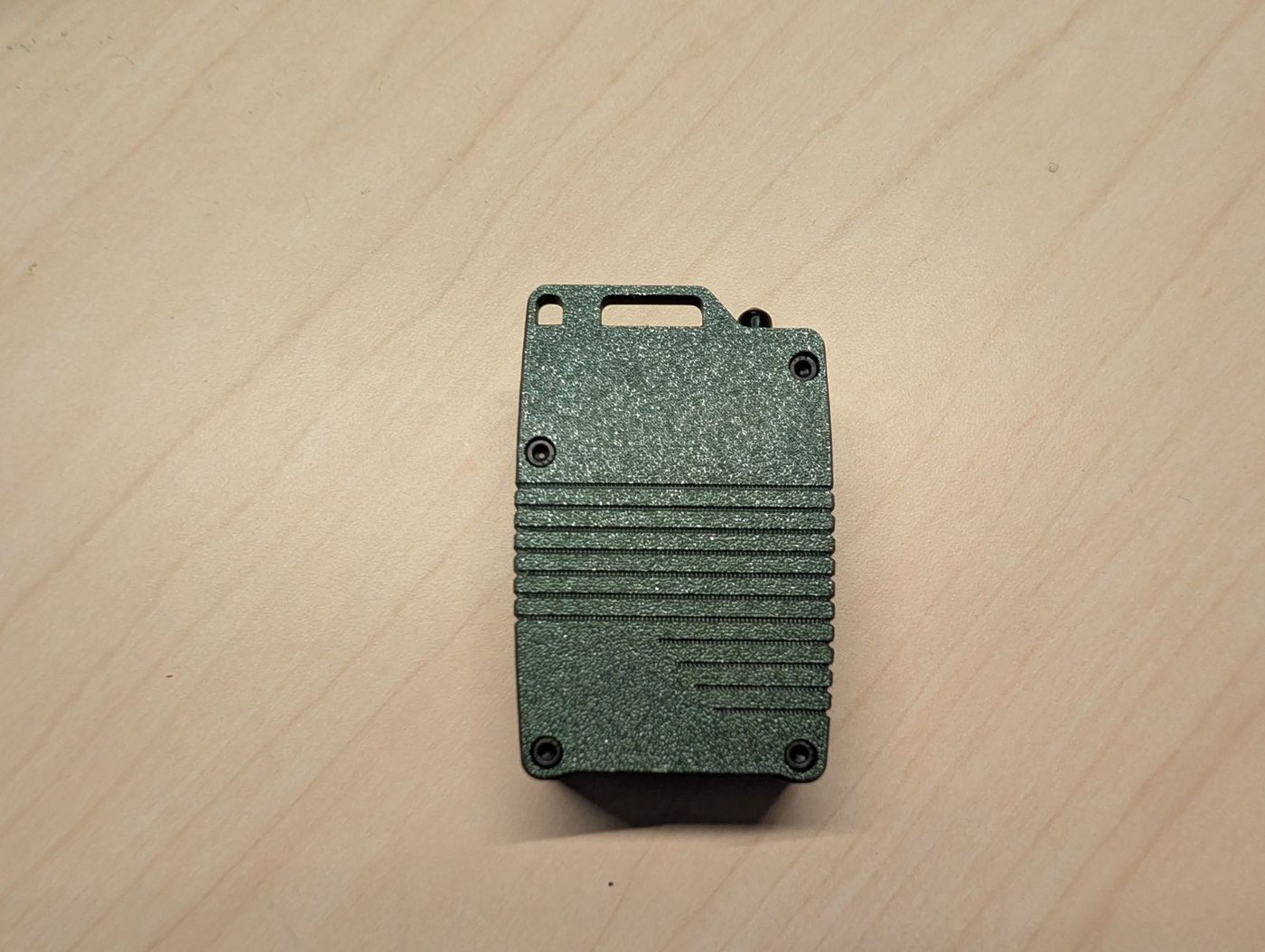
The M1 is the gift for someone who wants it to work out of the box, with zero setup on their end. You build it in Atlavox’s online builder: case color, antenna, GPS and sensor modules, and the firmware. Pick Meshtastic or MeshCore at checkout and Atlavox flashes the latest version right before it ships. Inside is a RAK WisBlock with a 2000 mAh battery. Ours ran about 5 days per charge on Meshtastic, about 7 on stock MeshCore, and about 10 on a power-saving MeshCore build. There’s no screen, so it’s paired to a phone. The build quality holds up the price, and the buying experience beats every other mesh vendor we’ve dealt with. Read our Atlavox M1 review.
For the Tinkerer
Some people would rather build it than unbox it. These two are for them.
Heltec V3: The Classic Starter Board
$26.97, or $29.97 with a plastic shell, at Rokland
The Heltec V3 is a bare board with a small OLED screen, USB-C and both Wi-Fi and Bluetooth. It’s been our default ESP32 board through both firmwares and a lot of antenna swaps. It doesn’t come with a battery or a weatherproof case, and that’s the point: it’s the board people learn on, flash and rebuild. Add a single-cell lithium battery and a printed case and it’s a weekend project. Read our Heltec V3 review.
GAT562 30s Kit: 30 dBm, Both Firmwares
$69.99 to $75.99 at MTools Tec, depending on case color
This kit has an amplified 30 dBm radio, about a watt, where most nodes here put out 22 dBm. It’s a handheld-style device with a 1.3-inch color screen, a joystick, GPS and a holder for two 18650 cells. The cells aren’t included, so add a pair to the gift. Ours has run as a repeater on a convention center’s 16th floor and as a reliable “carpeater” in a car across Fargo, on MeshCore and Meshtastic. It’s for someone who already has a node and wants more reach. Read our GAT562 30s Kit long-term review.
For the Person Building Coverage
A solar repeater lives outside on a roof, a pole or a tower and relays everyone else’s messages, day and night. It’s the gift that helps a whole town, and the best one for someone who’s already hooked on mesh.
SenseCAP Solar Node P1-Pro: Set It and Forget It
$100.99 at Seeed Studio
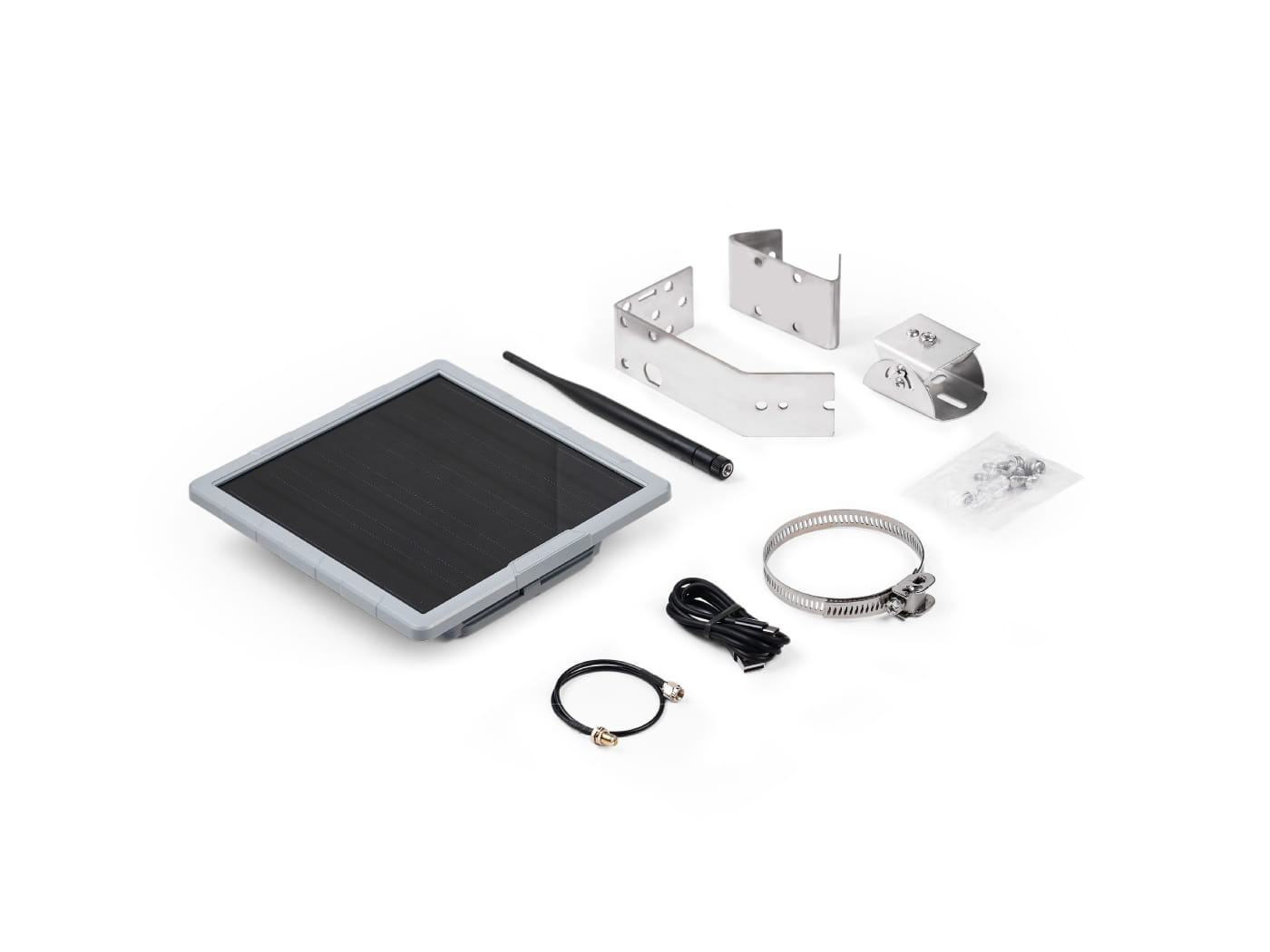
This is the solar repeater we stopped tinkering with and just let run. It has a 5 W panel, four 18650 cells for 13,400 mAh of battery, GPS and an IPX6 case, and the box includes the mounting brackets, a hose clamp for a pole and the antenna. Ours has held a 12-mile (19 km) link from a roofline. It ships with Meshtastic and reflashes cleanly to MeshCore. The antenna connector is RP-SMA, so if they already own standard SMA antennas, add Seeed’s $4.99 adapter cable to the order. The base Solar Node P1 is $77.99 without GPS or batteries, for someone with 18650s in a drawer. Read our P1-Pro review.
Atlavox Beacon: Tower-Grade Solar
From $235.99 at Atlavox
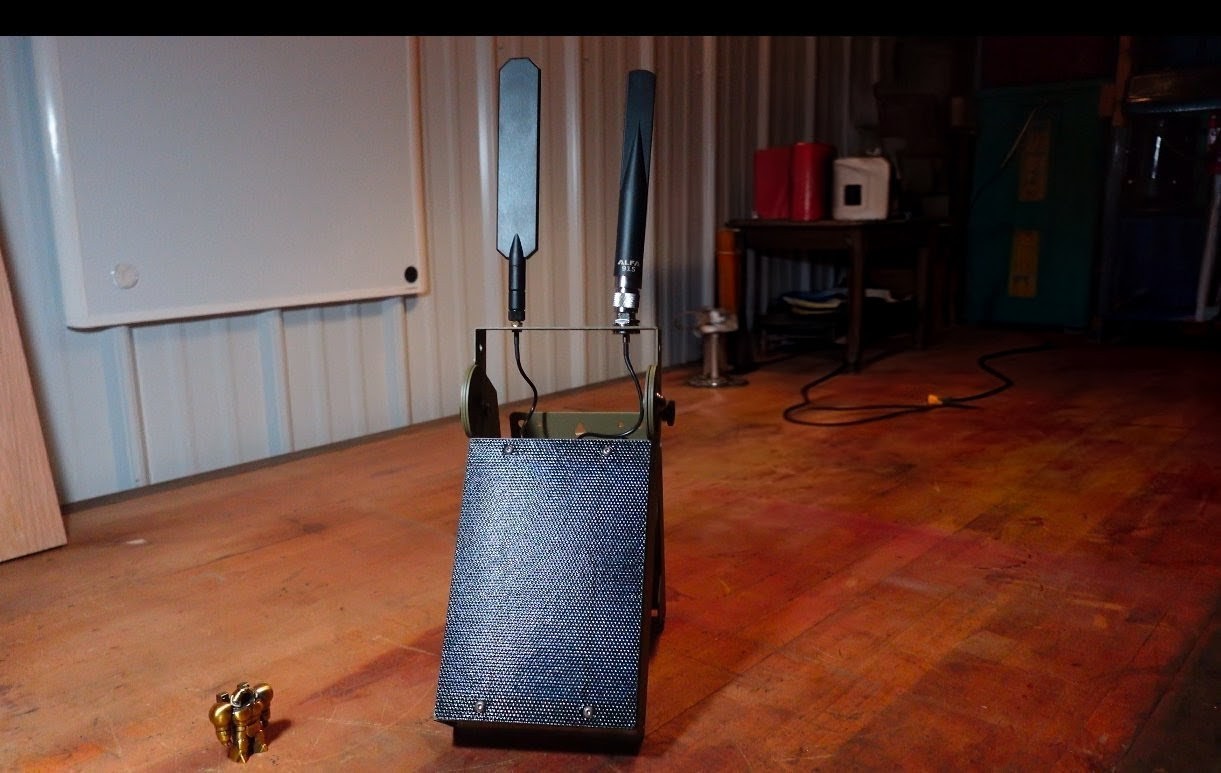
The Beacon is the big gift. It’s a solar repeater built for a tower: a RAK WisBlock radio, a 5000 mAh battery and a 5 W panel in an IP67 anodized aluminum enclosure, with a powder-coated frame that angles the panel and the antennas separately. Ours has been on a licensed tower since spring. It ships flashed with the firmware you choose. There are three versions:
- Beacon, $235.99: pick your antennas at checkout, or bring your own.
- Beacon Preconfigured for MeshCore, $259.77: flashed as a MeshCore repeater, with an ALFA 5 dBi antenna.
- Beacon Preconfigured for Meshtastic, $269.99: the full antenna kit in the box.
Read our Atlavox Beacon review.
Side by Side
| Type | Screen | Battery | Price | |
|---|---|---|---|---|
| SenseCAP T1000-E | Card tracker | No | 700 mAh, about a day active | $39.90 |
| RAK WisMesh Tag | Card tracker | No | 1000 mAh | $46 to $49.99 |
| SenseCAP MeshTracker X1 | Card tracker | No | 1100 mAh, 4.5 to 5 days for us | $49.90 |
| Seeed Wio Tracker L1 Pro | Handheld | OLED | About 5 days for us | $52.99 |
| Atlavox M1 | Handheld | No | 2000 mAh, 5 to 10 days for us, by firmware | from $76.99 |
| Heltec V3 | Bare board | OLED | Add your own | $26.97 to $29.97 |
| GAT562 30s Kit | Handheld kit, 30 dBm | 1.3-inch color | 2 x 18650, not included | $69.99 to $75.99 |
| SenseCAP Solar Node P1-Pro | Solar repeater | No | 4 x 18650, 13,400 mAh | $100.99 |
| Atlavox Beacon | Solar repeater | No | 5000 mAh | $235.99 to $269.99 |
Every one of them runs both Meshtastic and MeshCore.
Gift Tips
Order early. Stock moves around this time of year, and some colors were already sold out at the time of this post. Check each store’s shipping estimate against your calendar.
Set it up before you wrap it, or don’t. If they’re new to mesh, charging it, updating the firmware and pairing it to their phone together on Christmas morning is half the fun. If you’d rather hand over something that’s ready, the M1 and the Beacon arrive flashed with the firmware you picked.
Don’t lose the cable. The T1000-E and the WisMesh Tag charge on magnetic cables that come in the box, not USB-C. Tape it to the box.
Give them a starting point. Our Meshtastic getting started guide and MeshCore getting started guide take them from unboxing to first message, and our Discord is where to ask questions.
Frequently Asked Questions
Do they need a license to use a mesh node? No. In the US, Meshtastic and MeshCore nodes use the unlicensed 915 MHz band. Anyone can use one, with no ham license and no subscription.
Which is better, Meshtastic or MeshCore? Neither is better for everyone. Meshtastic is the bigger, older project, and every node relays messages by default. MeshCore uses dedicated repeaters to route messages, which keeps busy meshes quieter. The deciding question is which one people near them use. Every node in this guide runs both, so they can switch later. Our comparison goes deeper.
Will it work if nobody near them has one? Two nodes talk to each other directly, so a pair works anywhere. How far depends on terrain, antennas and height: single links typically run 1 to 10 miles or more, and 20 miles or more is possible with line of sight from high ground. To reach farther, a solar repeater like the P1-Pro on a roof extends the range for both of them.
Do they need a phone? For the card trackers and the M1, yes. The radio pairs to the free Meshtastic or MeshCore app over Bluetooth. The phone doesn’t need cell service, though. The radio carries the messages.
What’s the best mesh node for a beginner? The SenseCAP MeshTracker X1 for a card that rides along every day, or the Wio Tracker L1 Pro if they’d like a screen. Both work out of the box and cost about $50. For more pocket-sized options, see our best portable mesh nodes guide.
Prices mentioned here are from the time this post was written or last updated, and they change often. Check the store for today's price.
Comments
Related Posts
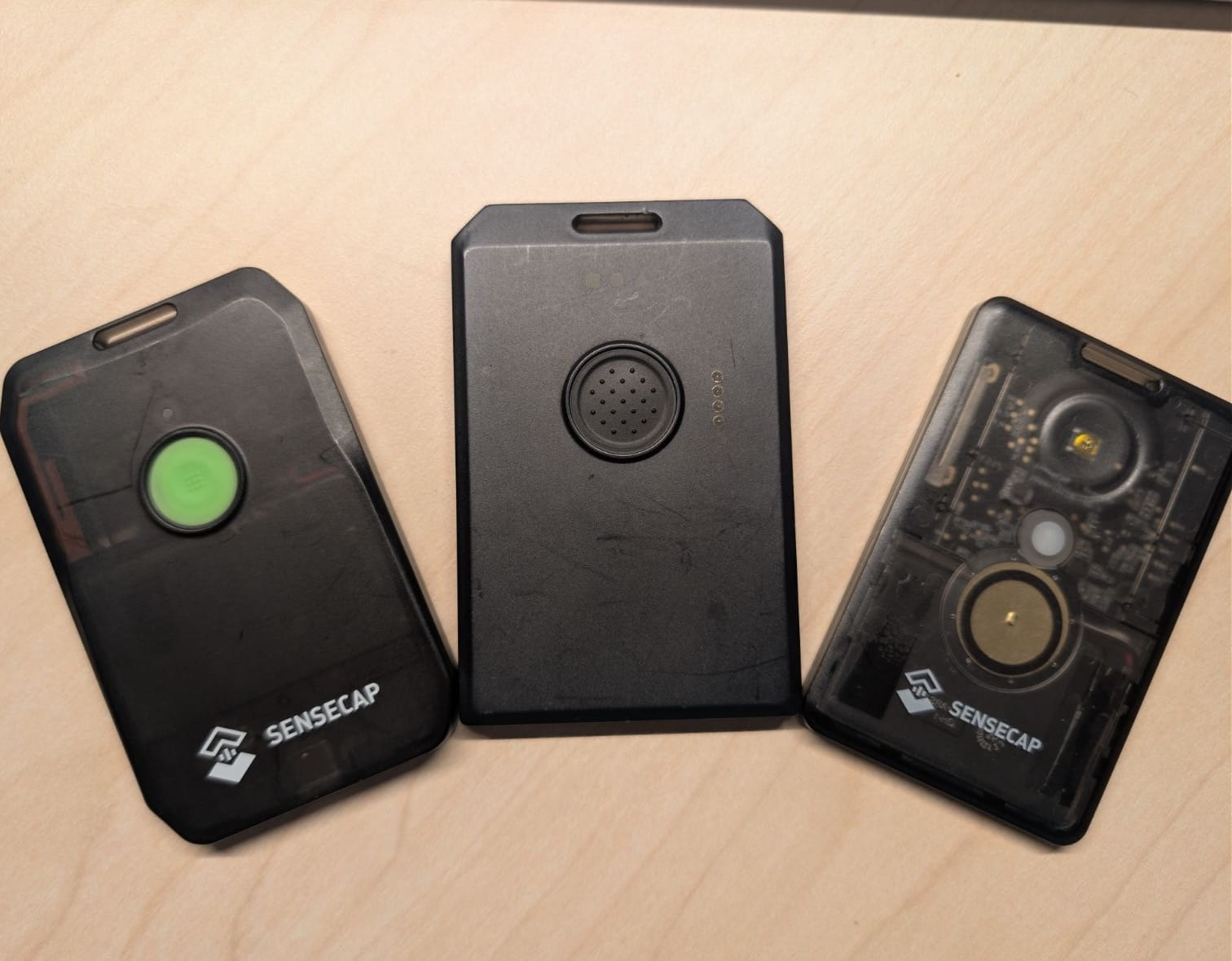
Best Portable Mesh Nodes for 2026: Meshtastic and MeshCore
Eight pocket LoRa nodes for Meshtastic and MeshCore, including the MeshTracker X1, Wio Tracker L2 Pro and WisMesh Pocket V3. Specs and firmware support.
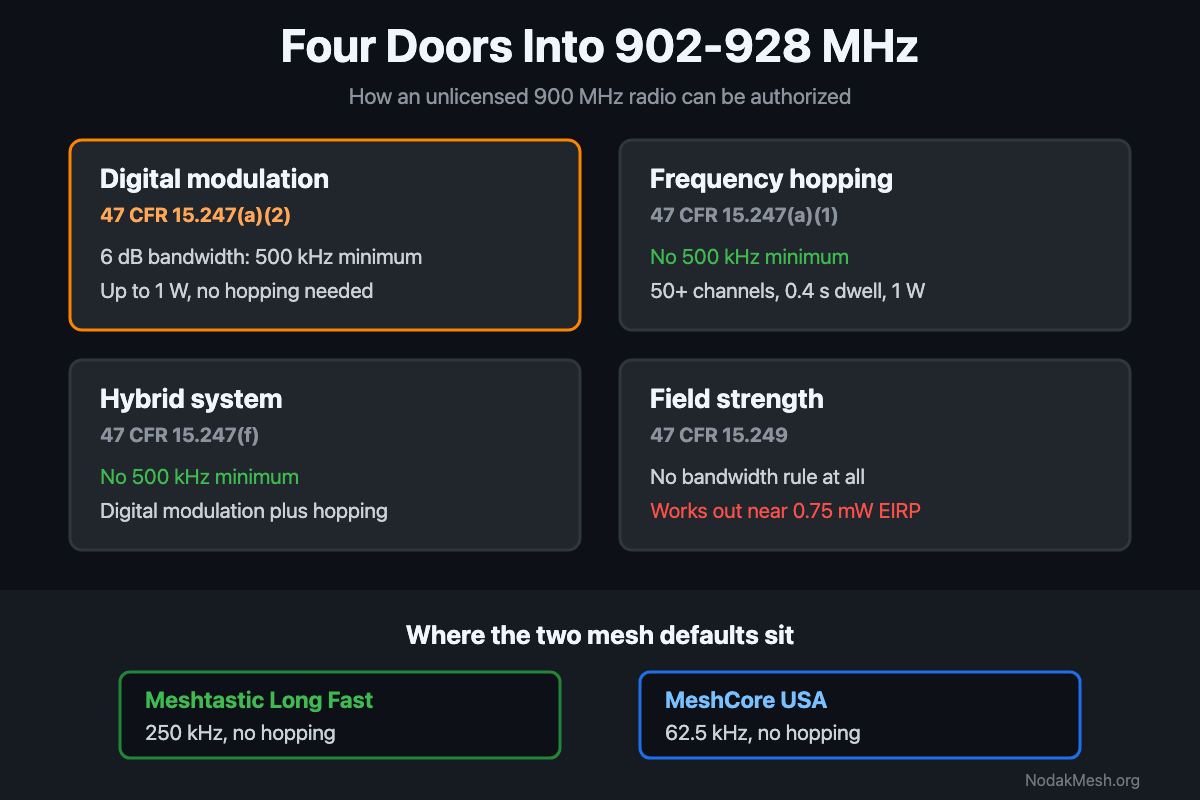
FCC Part 15.247: The 500 kHz Minimum and LoRa Mesh
Part 15.247 sets a 500 kHz minimum 6 dB bandwidth for digital modulation at 900 MHz. What the rule says, and where Meshtastic and MeshCore presets land.
Seeed MeshCore Starter Kit: Solar Repeater + Client Bundle
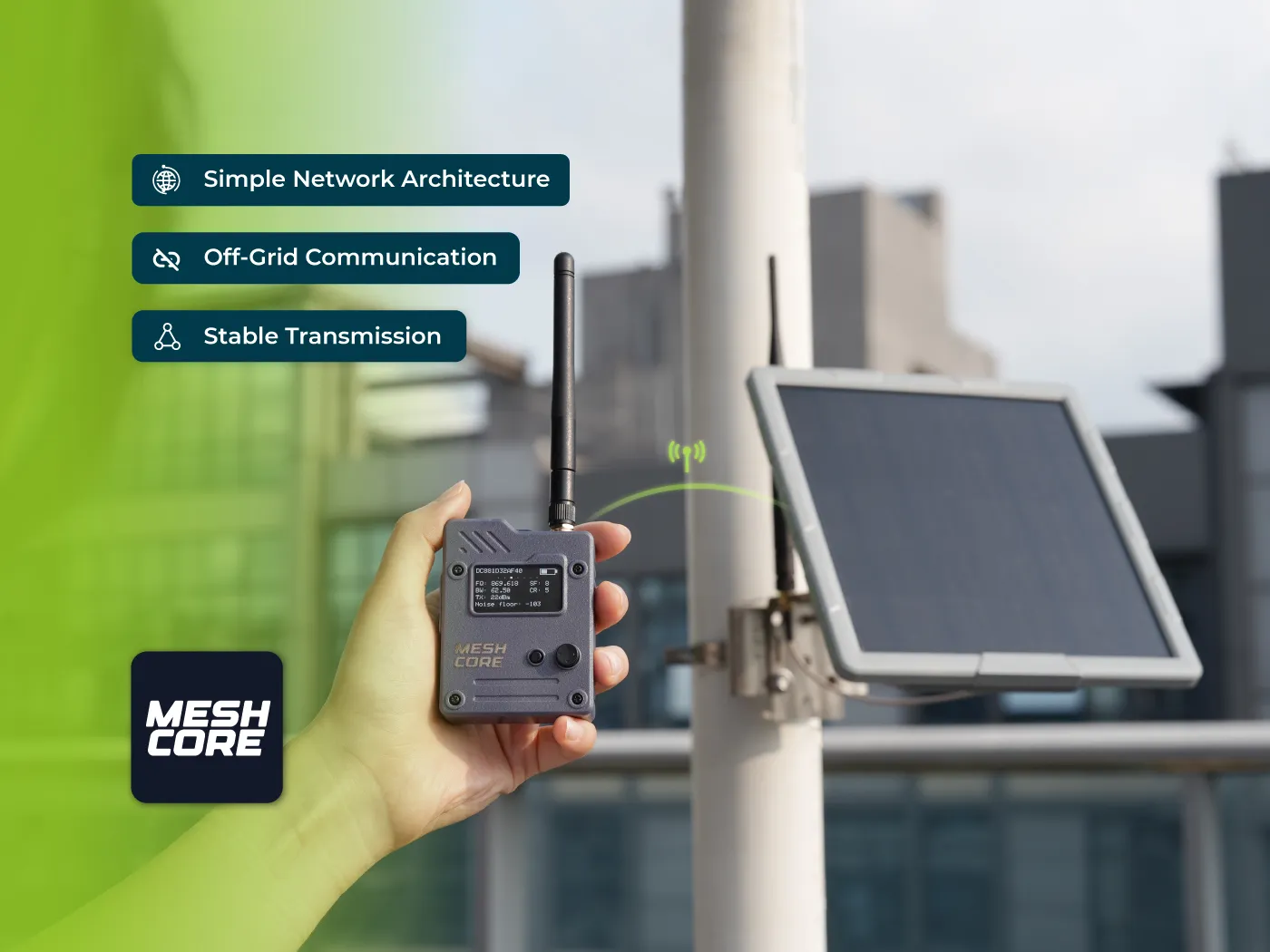
Seeed's MeshCore Starter Kit bundles a solar repeater and Wio Tracker L1 Pro into one off-grid mesh. Antenna picks, setup tips, and who it's for.