MeshCore Firmware v1.14.1: GPS Sync, Duty Cycle, New Devices
MeshCore 1.14.1 adds GPS auto-sync, token-bucket duty cycle, SenseCAP P1 and GAT562 support, LNA toggle CLI, and three packet bug fixes.
MeshCore v1.14.1 is here. Across all three firmware variants (Room Server, Repeater, and Companion), the release delivers new hardware support, proper nRF52 power management for the RAK3401, duty cycle enforcement, and fixes for packet transmission bugs that were quietly hurting network reliability.
We haven’t flashed v1.14.1 across our full production mesh yet. Notes below come from the official release documentation. If you run MeshCore and you’ve already updated, we’re curious how the queued-packet fix changed things on your network.
If you run MeshCore nodes, this is a recommended update. Here’s what changed and why it matters.
New Hardware Support
SenseCAP Solar P1
The SenseCAP Solar P1 now has full GPS support and power-off switch long press functionality. The P1 is designed for solar-powered deployments, making it a natural fit for remote, unattended nodes. GPS support means your P1 nodes can now contribute accurate location data to the mesh without external modules.
GAT562 30S Mesh Kit and Mesh Tracker Pro
Two new GAT562 devices are now supported: the 30S Mesh Kit and the Mesh Tracker Pro. The Mesh Tracker Pro is particularly interesting for mobile deployments and wardriving. If you’re mapping mesh coverage with MeshMapper, having more supported tracker hardware gives you options.
Heltec Tracker V2 migration
The Heltec Tracker V2 has been migrated to the KCT8103L, which should improve stability and performance for anyone running this popular tracker board.
Power Management
RAK3401 nRF52 power management
The RAK3401 now has proper nRF52 power management. The nRF52 platform is capable of very low idle current, but only when the firmware actually takes advantage of the hardware sleep states. This update means RAK3401 nodes should last noticeably longer on battery.
Regulatory Compliance
Token bucket duty cycle enforcement
This is one of the more important additions in v1.14.1. Token-bucket-based duty cycle enforcement ensures your nodes stay within regulatory transmission limits. Rather than crude time-based windowing, the token bucket approach provides smoother, more efficient spectrum usage while keeping you compliant. If you’re operating nodes in regions with strict duty cycle requirements (most of Europe, for example), this is essential.
Radio and CLI Improvements
LNA toggle commands
New CLI commands radio.rxgain on and radio.rxgain off let you toggle the Low Noise Amplifier directly from the command line. Useful for troubleshooting reception issues or optimizing for environments where the LNA might be overloading on strong nearby signals.
MCU temperature telemetry
Room servers now include MCU temperature in their telemetry responses. This gives you visibility into whether your nodes are running hot, useful for enclosed deployments or nodes in direct sunlight. Monitoring MCU temperature over time can help you catch thermal issues before they cause instability.
GPS auto time sync
Nodes with GPS enabled now automatically sync their clock every 30 minutes. Accurate time matters for packet ordering, log correlation, and coordination between nodes. This passive sync removes one more thing you’d otherwise need to manage manually.
Bug Fixes
Three bugs were fixed in this release.
Queued packet transmission failure. Some queued packets were silently never getting sent. Hard to diagnose because there’s no error. Messages just disappeared. Fixed.
Multibyte path advertisement misconfiguration. Automatic adverts were ignoring the configured multibyte path setting and using defaults instead. If you had customized your path hash configuration, your advertisements weren’t actually using it. Fixed.
BLE power state bug (Companion only). If you turned off BLE from the companion screen while already connected, BLE would stay on. This has been corrected so the power state behaves as expected.
Firmware Variant Breakdown
Not every change applies to every firmware variant. Here’s what landed where.
| Feature / Fix | Room Server | Repeater | Companion |
|---|---|---|---|
| SenseCAP Solar P1 GPS | ✓ | ✓ | ✓ |
| SenseCAP P1 power-off switch | ✓ | ✓ | - |
| RAK3401 power management | ✓ | ✓ | ✓ |
| Token bucket duty cycle | ✓ | ✓ | ✓ |
| GAT562 30S Mesh Kit | ✓ | ✓ | ✓ |
| GAT562 Mesh Tracker Pro | ✓ | ✓ | ✓ |
| LNA toggle CLI commands | ✓ | ✓ | ✓ |
| MCU temperature telemetry | ✓ | ✓ | ✓ |
| Heltec Tracker V2 migration | ✓ | ✓ | ✓ |
| GPS auto time sync (30 min) | ✓ | ✓ | - |
| Queued packet TX fix | ✓ | ✓ | ✓ |
| Multibyte path advert fix | ✓ | ✓ | - |
| BLE power state fix | - | - | ✓ |
Should You Update
Yes. The queued packet transmission bug alone is reason enough. If you’ve noticed inconsistent message delivery, this could be the culprit. Duty cycle enforcement is necessary for regulatory compliance, and the RAK3401 power management improvements matter for anyone running battery-powered nodes.
How to update: flash your devices through the MeshCore Flasher or download the firmware binaries directly from the GitHub releases.
For a full walkthrough of flashing methods and troubleshooting, see our MeshCore firmware guide.
If you’re new to MeshCore and wondering how it compares to other mesh firmware, see our MeshCore vs Meshtastic comparison or our walkthrough of how MeshCore works.
Comments
Related Posts
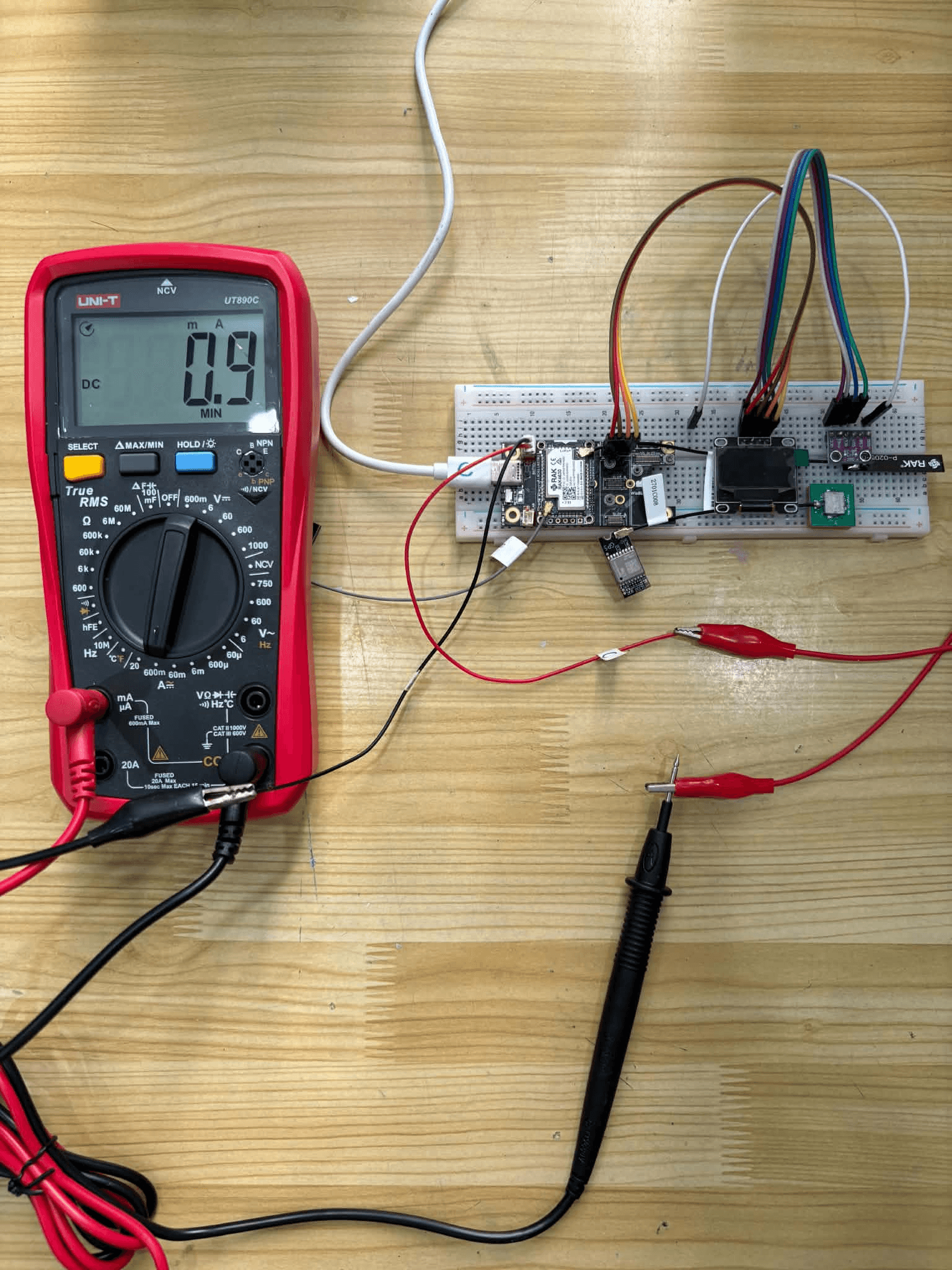
EasySkyMesh PowerSaving 17: RX Sleep Down to 0.9 mA
EasySkyMesh PowerSaving 17 adds RX duty-cycle sleep, pushing RAK4631 repeaters to 0.9 mA. Built on MeshCore 1.16, plus a GPS powersaving catch-up.

MeshCore Firmware v1.17: New Radio Logic and JSON Config
MeshCore 1.17.0 release notes: listen-before-talk rewrite, JSON config migration, new hardware (including our SenseCAP X1 port), and key fixes.
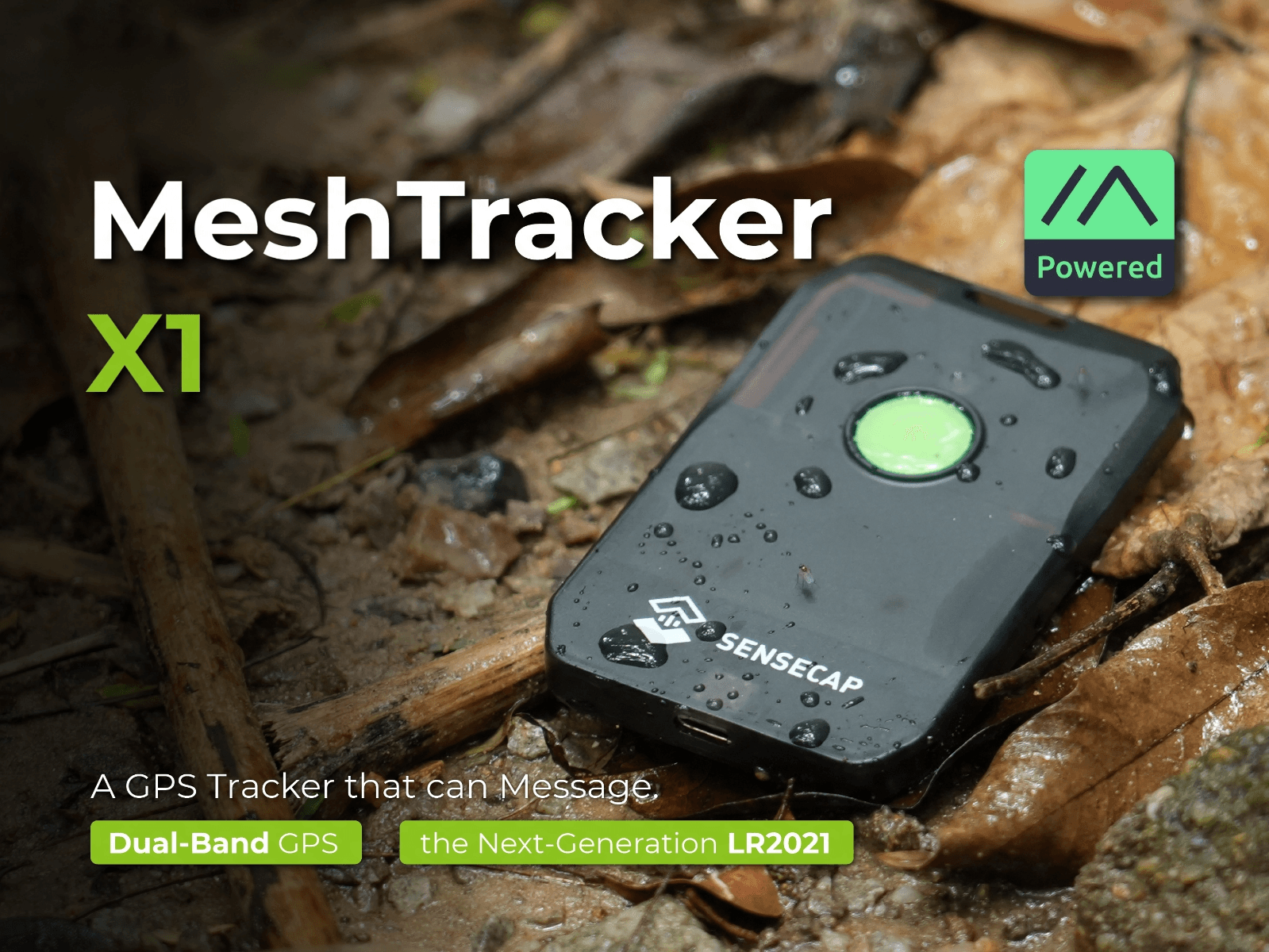
MeshCore's Next Release Will Ship With the SenseCAP X1 Built In
Our MeshCore X1 port merged upstream and will ship in the next release. Grab the full-feature v2.0.0 build with RGB status and haptics now.