GAT562 30s Mesh Solar Repeater: 1W nRF52840 for $39.99
GAT562 30s pairs an nRF52840 with a 1W LoRa stage and direct solar pads for $39.99. Specs, the no-MPPT story, and RAK WisMesh 1W comparison.
MTools Tec is selling a 1-watt mesh repeater board for $39.99. The GAT562 30s Mesh Solar Repeater pairs a Nordic nRF52840 MCU with an SX1262 LoRa radio in a 30 dBm stage, with onboard solar input pads and IPEX antenna connectors. It runs both Meshtastic and MeshCore. The DIY kit version is $46.99. That’s the cheapest off-the-shelf 1W mesh board we’ve seen.
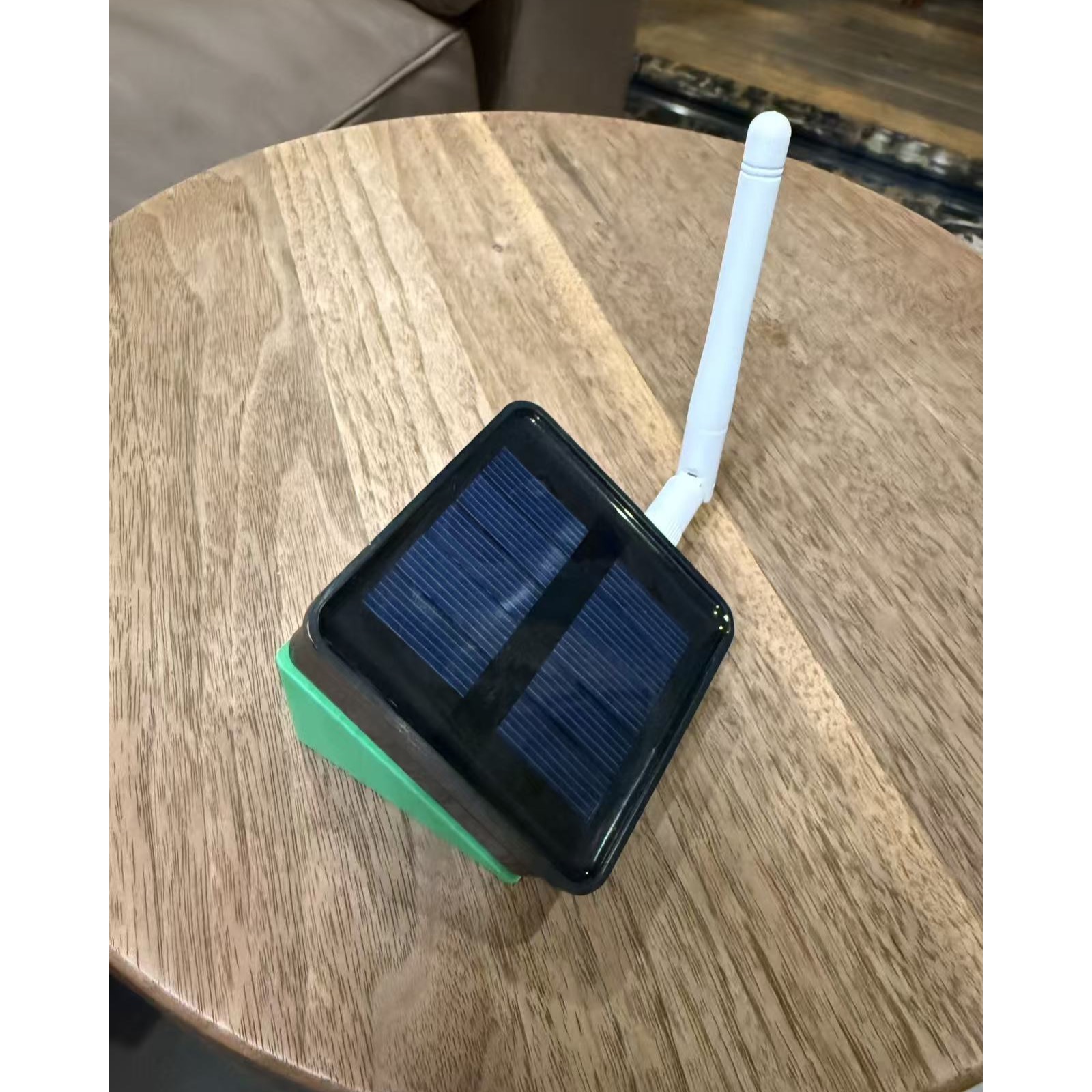
The GAT562 family has been quietly expanding. MeshCore v1.15.0 added the Mesh EVB Pro and Mesh Watch as supported targets in upstream firmware. The 30s sits at the budget end of the family as a small repeater pod with the headline feature being the integrated 1W power stage and the bare solar input.
We don’t have one on our bench yet. We’ve reached out to MTools Tec hoping they’ll send us a review unit, and if that comes together we’d love to get one onto a real solar deployment and report back with measurements. Everything below comes from the MTools Tec product page, the GAT562 GitHub repository, and the upstream MeshCore release notes that added the family targets.
What’s on the Board
At the core is the nRF52840. Same MCU you’ll find in the RAK WisMesh 1W Booster Starter Kit, the Heltec Mesh Node T096, and a fleet of other mesh-friendly hardware. Bluetooth 5, plenty of GPIO, and well supported by both Meshtastic and MeshCore firmware. Familiar territory.
The LoRa radio is an SX1262 rated at 30 dBm output, roughly 1 watt. The product page lists the board as having an integrated PA. The exact PA part number isn’t published. The SX1262 itself tops out at 22 dBm, so any 30 dBm stage requires an external amplifier between the chip and the antenna. The MTools Tec page is clear about the output rating but light on the RF chain details. We’d want to put a spectrum analyzer on it before describing the actual TX cleanliness.
The board carries IPEX connectors for both LoRa and Bluetooth antennas, so you bring your own. There are also reserved pads for a buzzer and a joystick, suggesting the same PCB feeds into other products in the family.
The Solar Story (and Why It Matters)
This is the part that needs reading carefully. The 30s has dedicated solar input pads rated for 4.5 to 5.5 V alongside the lithium battery input at 3.7 to 4.2 V. What it does not have is a published MPPT charge controller or a documented battery-protection IC. The pads are direct solar input.
This is the part operators need to plan around before deploying. If you wire a 5V solar panel directly to a Li-ion cell, you need a charge controller in the loop. Without one, you’ll cook the battery the first time the panel hits direct sun and the cell is full. The 30s gives you bare solar input pads and lets the operator bring the charge controller and battery management to suit the deployment. If you’re already running solar nodes with your own charge-controller plus BMS modules, that’s plug-and-play. If you’re expecting a complete solar charge path inside the board, plan to add one. We’d measure the actual charge behavior on a representative panel and battery if we get a unit to test.
For a contrast, the RAK WisMesh 1W Booster Starter Kit uses the RAK19007 base board with a documented solar input path and a Li-ion battery connector that’s been characterized in the wild. The GAT562 30s gives you a smaller, cheaper board on the assumption you’re bringing the rest of the power chain.
Form Factor and Environmental
| Spec | Detail |
|---|---|
| MCU | nRF52840 |
| LoRa Chip | SX1262 with integrated PA stage |
| Max TX Power | 30 dBm (~1 W) |
| Bluetooth | BLE (via nRF52840) |
| Battery Input | 3.7 to 4.2 V via dedicated pad |
| Solar Input | 4.5 to 5.5 V via dedicated pad (no published MPPT) |
| LoRa Antenna | External, IPEX connector |
| BT Antenna | External, IPEX connector |
| Reserved Pads | Buzzer, joystick |
| Frequencies | EU868, US915 |
| Operating Temp | -40 to 85 C |
| Dimensions | 30 x 60 x 3 mm |
| IP Rating | Not specified |
| Battery | Not included |
| Firmware | Meshtastic, MeshCore |
| Price (board) | $39.99 |
| Price (DIY kit) | $46.99 |
The wide operating-temperature range is honest hardware spec for a board that wants to live outdoors. The lack of a published IP rating means the 30s itself is just the PCB. Any outdoor deployment is on the operator to enclose, gasket, and seal.
How It Compares to the RAK WisMesh 1W Booster
The natural rival is the RAK WisMesh 1W Booster Starter Kit. Same target output power, same MCU family, similar price band. Different design philosophy.
| GAT562 30s | RAK WisMesh 1W Kit | |
|---|---|---|
| MCU | nRF52840 | nRF52840 (RAK3401 core) |
| LoRa Chip | SX1262 with integrated PA stage | SX1262 + Skyworks SKY66122 PA |
| Max TX Power | 30 dBm | 30 dBm |
| Receiver Front-End | Not published | SAW filter + LNA |
| PA Part Number | Not published | Skyworks SKY66122 (documented) |
| Solar Path | Direct pads, no published MPPT | Documented input on RAK19007 base |
| Form Factor | Bare PCB pod | WisBlock base + core + radio modules |
| Expansion | Reserved pads only | Four WisBlock expansion slots |
| Firmware | Meshtastic, MeshCore | Meshtastic (MeshCore not yet supported) |
| Price | $39.99 (board) / $46.99 (kit) | $39 (kit) |
The price story is roughly a wash. The capability story isn’t. The RAK kit ships as a full WisBlock platform with the RF chain documented down to the SKY66122 PA and an integrated SAW filter for the receive side. The GAT562 30s gets you to the same 30 dBm number on a cheaper board, but the RF details and the power-electronics details aren’t published with the same depth. You’re trading documentation and platform expandability for a smaller, cheaper pod.
The other meaningful difference is firmware. The GAT562 30s supports both Meshtastic and MeshCore today. The RAK 1W Booster Starter Kit is Meshtastic-only at this writing. If you want to deploy a 1W repeater into a MeshCore network, the GAT562 is the simpler answer. If you want a fully-documented WisBlock platform you can build sensors and GPS onto, the RAK kit still wins.
If you’re a MeshCore operator looking for a cheap 1W repeater pod and you’re comfortable bringing your own power-electronics, the 30s is interesting. If you’re a Meshtastic operator who wants the documented RF chain and the WisBlock ecosystem, the RAK kit is the safer call.
What We’re Watching
A few things stand out that we’ll want to verify once one is in hand.
The actual RF chain. Output rating is 30 dBm. The PA part isn’t published. The receive front-end isn’t published. We’d want a spectrum analyzer on the TX side, an actual sensitivity measurement on the RX side, and ideally a noise-floor comparison against the 1W boards we already have on hand. One customer review on the product page says it has the “best noise floor of any 1W or Heltec V4 I’ve tried.” Encouraging. Not measured by us. Worth verifying.
The solar input behavior. 4.5 to 5.5 V direct solar pads with no published MPPT means the operator has to think about charge management. We’d want to wire one up to a representative panel and battery, watch the charge curve, and confirm whether the board includes any protection at all or if every deployment has to bring an external charge controller and BMS.
Thermal behavior at 1W sustained. Same question we asked for the RAK 1W. Pushing 30 dBm continuously on a small PCB inside an enclosure on a hot summer roof is a real test. We don’t have data here yet.
Firmware feature parity. The GAT562 family targets in MeshCore v1.15 are the EVB Pro and the Watch, not the 30s specifically. We’d want to confirm which firmware target maps to the 30s and whether all features are available on this variant.
Customer reviews are sparse. A single review on the vendor page is encouraging but not statistically meaningful. We’d want to see field reports from a handful of operators running these in different conditions before making a strong recommendation either way.
Who This Board Is For
If you’re a MeshCore operator who needs a cheap 1W repeater pod and you’re comfortable wiring up your own charge controller, battery, and enclosure, the GAT562 30s is worth looking at. The price is real, the firmware coverage is broad, and the form factor is small enough to live inside whatever enclosure you’re already using.
If you want a documented platform with a known RF chain and a turnkey power path, the RAK WisMesh 1W Booster Starter Kit is the more documented option at the same price. You’re paying about the same, but you know exactly what you’re getting on the RF side.
If you’re not sure yet, wait for field reports. Or order one and run the bench tests yourself. At $39.99 the cost of curiosity is low.
We’re hoping MTools Tec sends us a review unit. If they do, we’d love to put it on the bench and onto a real solar deployment, then come back with measurements: noise floor against the customer’s claim, charge curve with a representative panel and battery, thermal behavior at sustained 1W, and a verified RF chain breakdown. The price, the dual-firmware support, and the MeshCore family expansion all make this worth the follow-up work. The unpublished pieces are the ones we’d go looking for first.
You can find the GAT562 30s on MTools Tec’s product page.
Comments
Related Posts
RAK WisMesh Station HP: First Look at a Pi 4 Mesh Node
RAK's WisMesh Station HP puts a Raspberry Pi 4, a WisBlock HAT, and a 1-watt-class SX1262 in a finned aluminum case. Hardware tour and what it runs.
EasySkyMesh PowerSaving 17: RX Sleep Down to 0.9 mA
EasySkyMesh PowerSaving 17 adds RX duty-cycle sleep, pushing RAK4631 repeaters to 0.9 mA. Built on MeshCore 1.16, plus a GPS powersaving catch-up.

MeshCore Firmware v1.17: New Radio Logic and JSON Config
MeshCore 1.17.0 release notes: listen-before-talk rewrite, JSON config migration, new hardware (including our SenseCAP X1 port), and key fixes.