GAT562 30s Kit Long-Term Review: 30dBm, Both Firmwares
GAT562 30s Kit long-term review: 30dBm repeater on a convention center's 16th floor, a reliable carpeater across Fargo, MeshCore and Meshtastic.
We’ve had a GAT562 30s Kit in rotation since we first covered the bare board back in May, and it’s been through more real deployments than almost anything else in our fleet: a repeater on the 16th floor of a convention center, a carpeater riding a mag-mount antenna on the truck, and a daily client radio we’ve flashed between MeshCore and Meshtastic. TX and RX have both been excellent, and the distance backs it up.
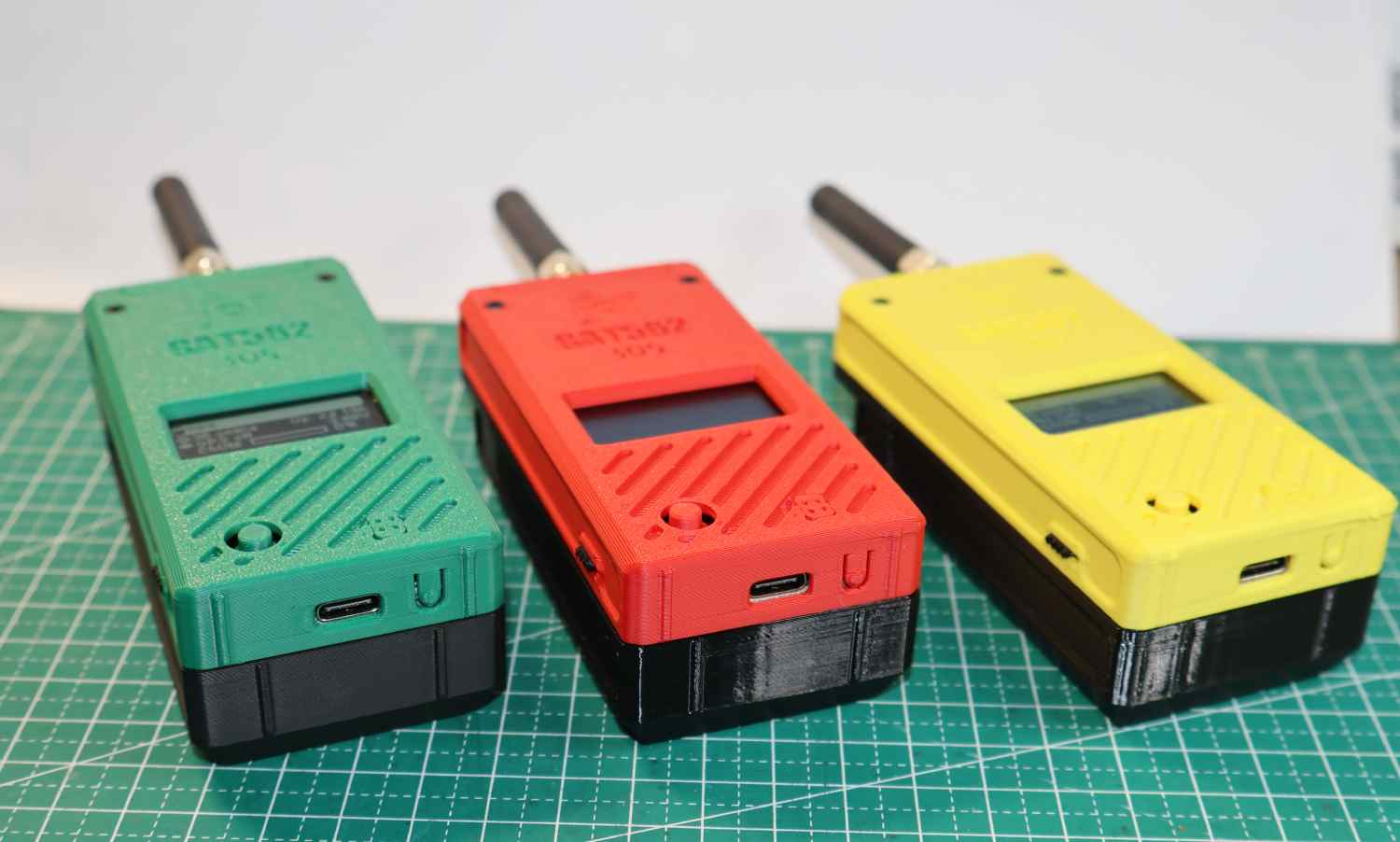
The lineup has grown up since our first look. Back then, MTools Tec’s 30s was a bare solar-repeater pod: no screen, no GPS, no case. The current 30s Kit is a full handheld-style device: a 1.3-inch display, a joystick for navigation, a buzzer, an RGB LED, and an onboard GPS module, now paired with a frequency-specific RF filter that wasn’t standard on the earlier board. Price runs $69.99 to $75.99 depending on case color, up from the $39.99 bare board we first wrote about.
We’ve been running this specific Kit for a couple months now, across both MeshCore and Meshtastic, indoors as a repeater and mounted in a vehicle as a carpeater. This is the field report, not the spec sheet.
What We’re Running
At the core is the same nRF52840 with an integrated PA we covered before, paired with an SX1262 radio pushing 30 dBm, right around 1 watt, in the same power class as the RAK WisMesh 1W Booster we’ve also run. That combination hasn’t changed. What’s new on this Kit is the onboard GPS module (a Quectel L76K, visible right on the board) alongside a patch antenna, plus the 1.3-inch display and joystick that turn this from a bare repeater board into something you can actually navigate and read in the field.
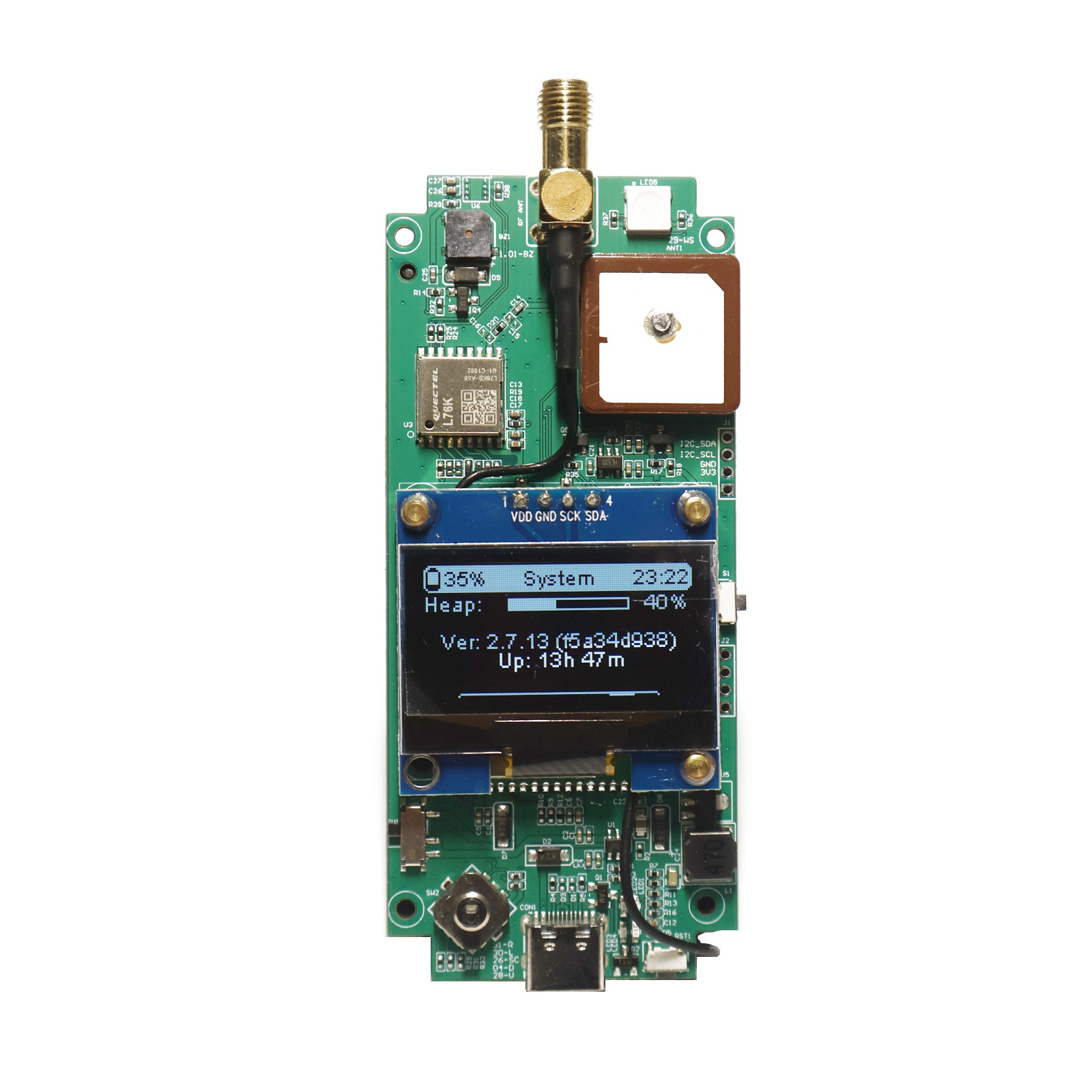
The headline addition for this version is the RF filter. MTools Tec ships this Kit frequency-specific now (EU868 or US915, pick the right one at checkout), where the earlier board didn’t call out a filter at all. At 30 dBm out of a small PCB, a clean output filter matters more than it would on an unamplified radio, and having it built in rather than bolted on afterward is the right call.
Firmware-wise, this runs Meshtastic or MeshCore, not both at once. Switching between them is a BLE flash through MTools Tec’s own app, not a full teardown-and-reflash. We’ve gone back and forth between the two on this same hardware over the months, which is exactly how we’d want a $70 radio to behave.
As a Repeater: Sixteen Floors Up
We ran this as a repeater on the 16th floor of a convention center for two days, straight MeshCore. Indoor high-rise repeater placement is usually a mixed bag: concrete and steel do the mesh no favors. This one made contacts 30 miles away from that perch, which is a genuinely strong result for an indoor deployment with no external advantage beyond altitude and a clear-ish window line. TX and RX both held up over the full two days without us babysitting it.
As a Carpeater: The Mag-Mount Setup
For vehicle use, we’ve been running the Slinkdsco magnetic mount antenna with its IPEX-to-SMA extension cable, roof-mounted, straight into the GAT562’s SMA jack.
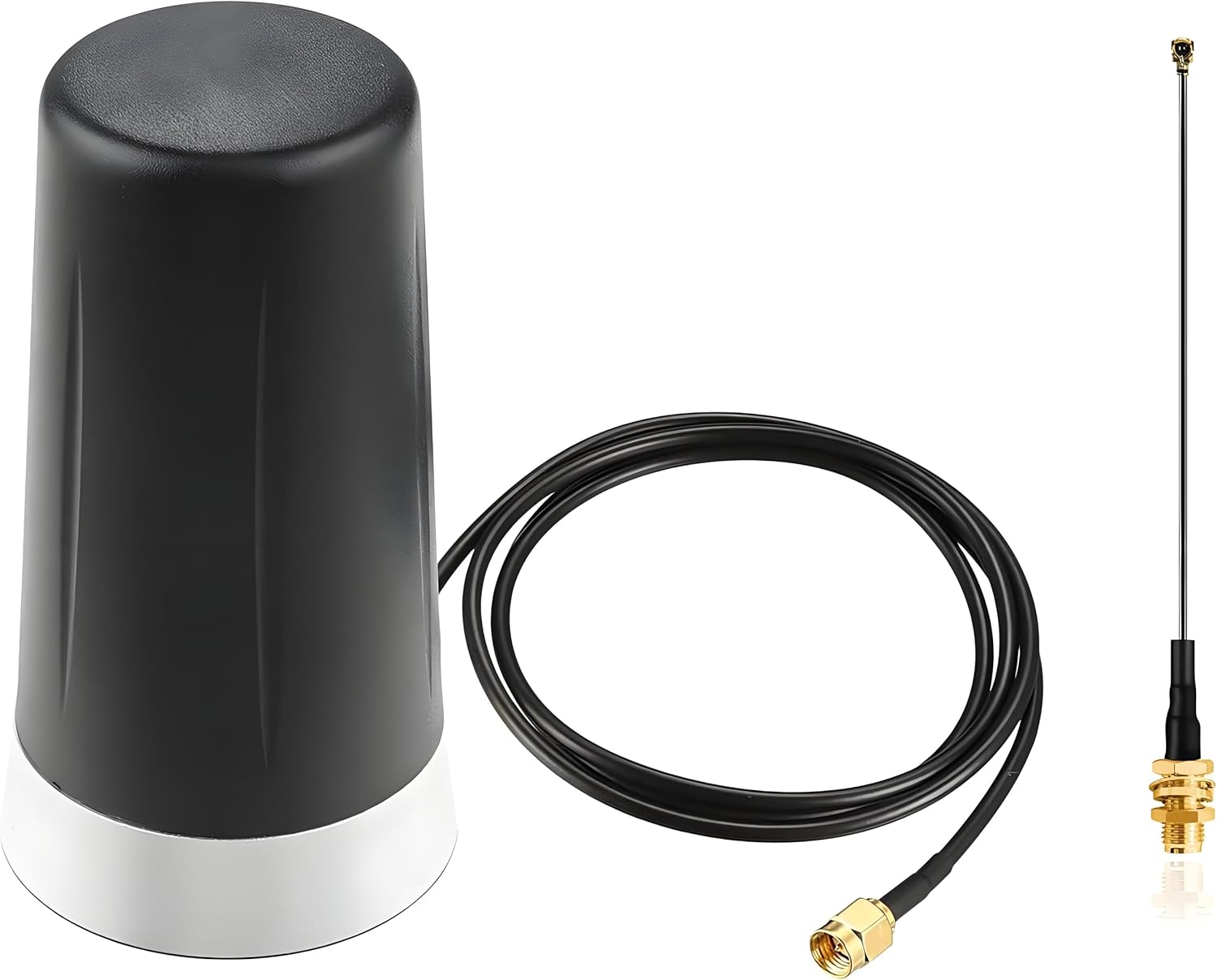
Running this as a carpeater on MeshCore, we’re able to reliably get into the mesh everywhere we’ve driven around Fargo. That’s the kind of boring, unremarkable reliability you actually want from a repeater riding around town: it just works, every time, without us thinking about it. We’ve also been able to chat further out of town than was previously possible using this carpeater setup, which is the whole point of adding real gain on a mag mount instead of relying on whatever stub antenna a board ships with.
Client Mode: One Whip, Both Protocols
For handheld/client use, on both MeshCore and Meshtastic, we’ve swapped in the muzi ᴡᴏʀᴋꜱ 915MHz whip antenna in place of the stock stubby.
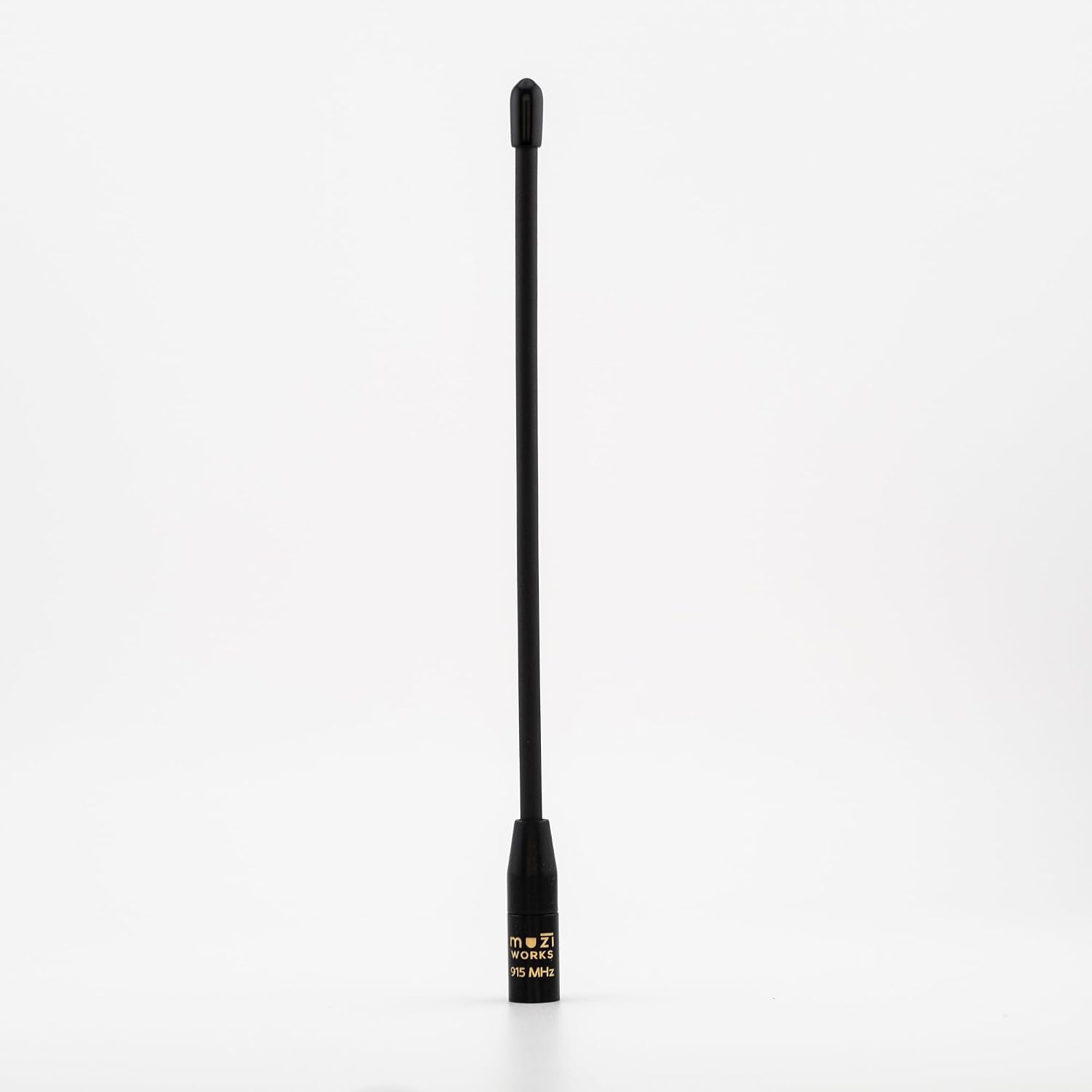
It’s a small, flexible 17cm whip, and the manufacturer’s own SWR numbers back up what we’d expect from the upgrade: 1.3 SWR versus 3.5 on the stock stubby antenna that ships on most of this class of device. That’s roughly the difference between 98% and 69% transmission efficiency. If you want to verify a number like that yourself instead of taking a manufacturer’s word for it, our NanoVNA antenna testing guide walks through measuring SWR on your own gear. It’s a cheap, easy swap, and it’s the antenna we reach for whenever this radio is doing client duty instead of sitting fixed as a repeater or carpeater.
Full Specs
| Spec | Detail |
|---|---|
| MCU | nRF52840 with integrated PA |
| LoRa Chip | SX1262 |
| Max TX Power | 30 dBm (~1 W) |
| RF Filter | Frequency-specific (EU868 or US915), included on this Kit |
| GPS | Onboard GNSS module (Quectel L76K) with patch antenna |
| Display | 1.3” |
| Navigation | Joystick |
| Other | Buzzer, RGB LED |
| Battery | 2x 18650 shell, batteries not included |
| Antenna Connector | SMA |
| Case | 3D-printed PLA (front) / PETG (back), colored variants |
| Firmware | Meshtastic or MeshCore (one at a time, BLE-switchable) |
| Price | $69.99 (no case) to $75.99 (colored case) |
Gear We Paired With It
| Slinkdsco Mag-Mount | muzi ᴡᴏʀᴋꜱ Whip | |
|---|---|---|
| Use case | Carpeater, vehicle roof mount | Client/handheld mode |
| Mount | Magnetic base | Direct SMA screw-on |
| Cable | 2m integrated + 10cm IPEX-to-SMA pigtail | None, direct mount |
| Connector | SMA male | SMA (visual match) |
| Price | $24.95 | $12.90 |
How the Kit Has Evolved Since Our First Look
The bare board we covered in May was a $39.99 solar-repeater pod: no screen, no GPS, no published IP rating, direct solar input pads with no MPPT. This Kit is a different animal. The screen, joystick, GPS, and RF filter turn it into something you’d actually carry and read, not just a board you bolt into an enclosure and forget about. The tradeoff is price: $69.99 to $75.99 versus the original $39.99, and batteries still aren’t included either way.
What We Tested
Repeater performance at height. Two days on the 16th floor of a convention center, MeshCore, 30-mile contacts made from that perch. Strong result for an indoor high-rise placement.
Carpeater reliability around town. Reliable mesh access everywhere we’ve driven in Fargo on the mag-mount setup, plus range further out of town than we had before adding real gain to the vehicle.
Client mode on both protocols. We’ve flashed this same hardware between MeshCore and Meshtastic multiple times over the months. Both ran cleanly with the muzi whip antenna in place of the stock stub.
Overall TX/RX quality. Consistently good across every deployment: fixed repeater, moving carpeater, and handheld client. This is the part that’s kept it in rotation instead of getting swapped out for something else.
Who This Kit Is For
If you want one radio that can pull repeater duty indoors, ride shotgun as a carpeater, and still work as a handheld client depending on what antenna you screw on, this is a strong pick at this price. The 30 dBm output and the now-standard filter make it a serious option for anyone building out MeshCore or Meshtastic coverage on a budget, not just a novelty board.
If you want a turnkey solar deployment, look elsewhere. This Kit doesn’t ship with solar input or a battery, and you’re on your own for power management. If you already own the bare board from our first look, the screen, GPS, and filter on this Kit make the case for an upgrade.
Months in, across a convention center, a truck, and daily client use, this is still the radio we reach for first. You can find the GAT562 30s Kit on MTools Tec’s product page.
Comments
Related Posts
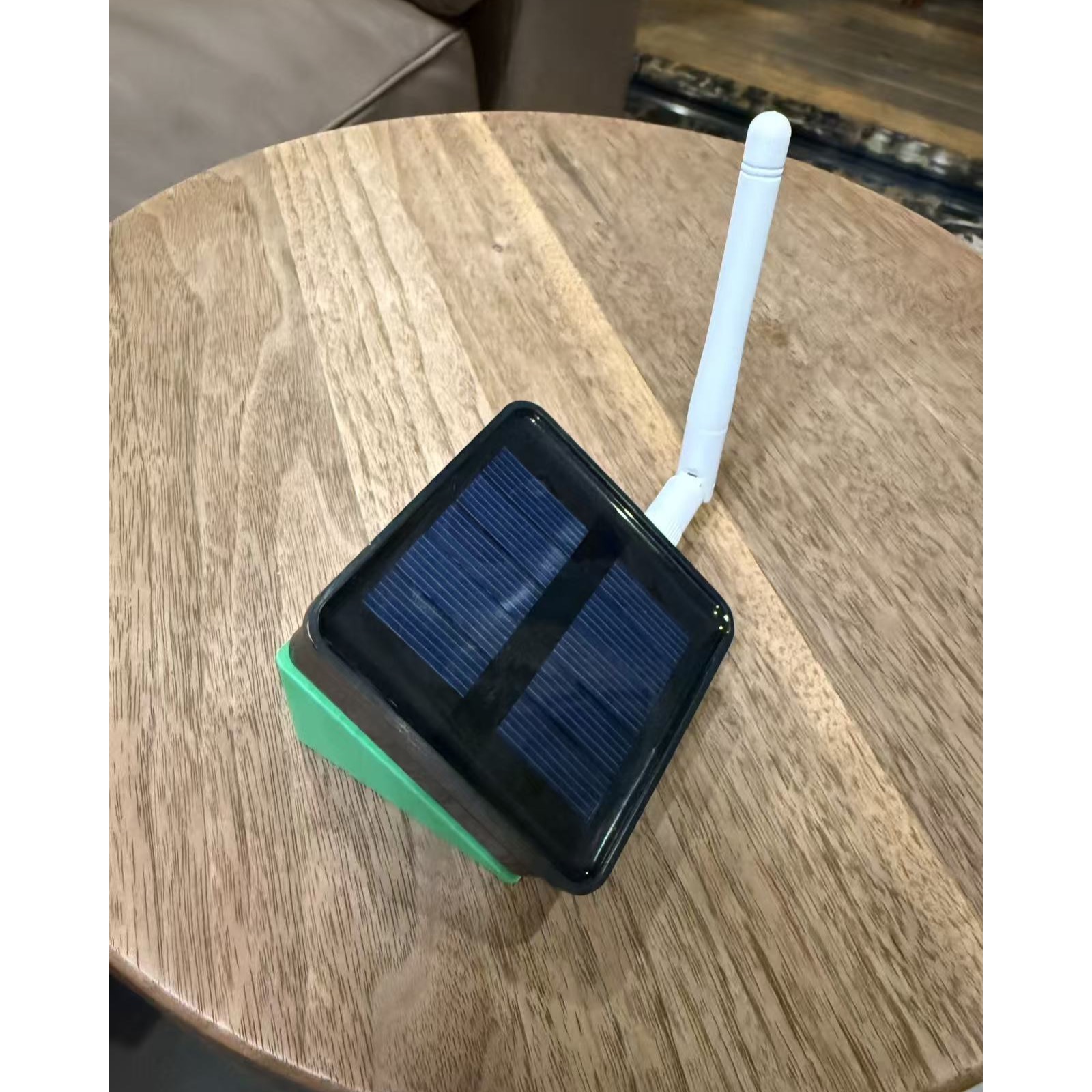
GAT562 30s Mesh Solar Repeater: 1W nRF52840 for $39.99
GAT562 30s pairs an nRF52840 with a 1W LoRa stage and direct solar pads for $39.99. Specs, the no-MPPT story, and RAK WisMesh 1W comparison.
Seeed MeshCore Starter Kit: Solar Repeater + Client Bundle
Seeed's MeshCore Starter Kit bundles a solar repeater and Wio Tracker L1 Pro into one off-grid mesh. Antenna picks, setup tips, and who it's for.
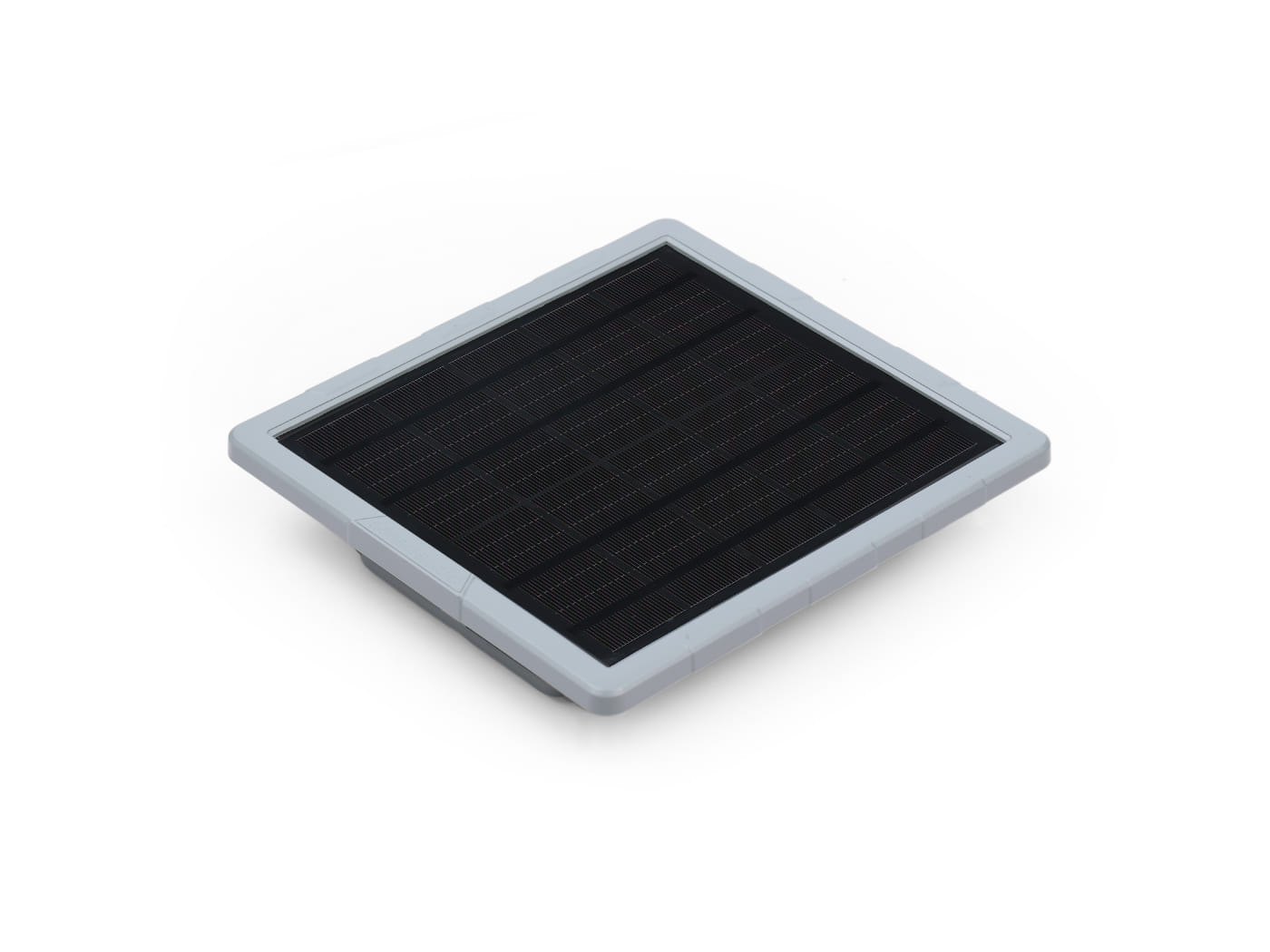
SenseCAP Solar Node P1-Pro Review: Our Go-To Solar Repeater
SenseCAP Solar Node P1-Pro review: months on the roofline, a 19km link, and a battery that just works. One nitpick: RP-SMA.