Best Portable Mesh Nodes for 2025: Field-Tested Picks
Top 5 LoRa mesh nodes for Meshtastic and MeshCore in 2025. T-Echo, SenseCAP T1000-E, RAK WisMesh Tag, T-Deck Plus, T-Beam Supreme.
On this page
- What Makes a Good Portable Node
- 1. LILYGO T-Echo
- Why it’s #1
- Firmware support
- Best for
- Tradeoffs
- 2. Seeed SenseCAP Card Tracker T1000-E
- Why we like it
- Firmware support
- Best for
- Tradeoffs
- 3. RAK WisMesh Tag
- Why we like it
- Firmware support
- Best for
- Tradeoffs
- 4. LILYGO T-Deck Plus
- Why we like it
- Firmware support
- Best for
- Tradeoffs
- 5. LILYGO T-Beam Supreme
- Why we like it
- Firmware support
- Best for
- Tradeoffs
- Quick Comparison
- MeshCore vs Meshtastic: Which Firmware
- What About Dev Boards
- Who Each One Is For
- Get Started
Mesh networking had a year. Off-grid communication networks, backcountry asset tracking, go-bag radios for when cell towers go down. There’s a portable LoRa node for almost any use case now. The question is which one belongs in your pocket.
We’ve run every device on this list through our network on both Meshtastic and MeshCore firmware. Some for a year or more. This isn’t a best-of ranked from spec sheets. These are the five we actually carry, recommend, or deploy.
What Makes a Good Portable Node
Before the picks, here’s what we look for in a portable mesh device:
- Size. Can you pocket it or clip it to a bag?
- Battery life. Hours matter when you’re off-grid.
- Display. See messages without pulling out your phone.
- Firmware support. Works with Meshtastic, MeshCore, or both.
- Build quality. Survives real-world use.
1. LILYGO T-Echo
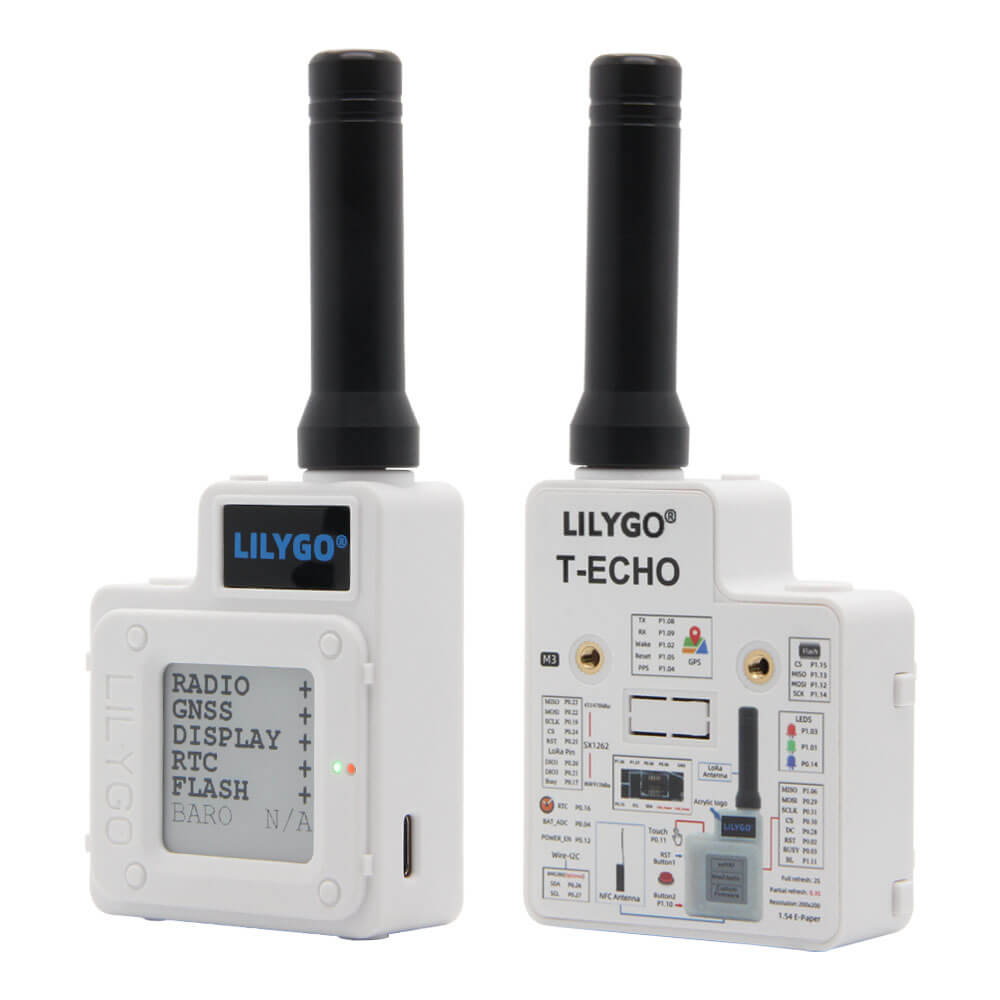
The best all-around portable mesh node.
| Spec | Details |
|---|---|
| MCU | Nordic nRF52840 |
| LoRa Chip | Semtech SX1262 |
| GPS | Built-in L76K |
| Battery | 850 mAh (removable 603450 LiPo) |
| Size | ~90 × 40 × 15 mm |
| Display | 1.54” e-ink (200 × 200) |
| Price | ~$65 to $75 |
Why it’s #1
The T-Echo is what we recommend when someone asks for their first real mesh communicator.
It has everything. Built-in GPS, an e-ink display that’s readable in direct sunlight, and the power-efficient nRF52840 chip. The e-ink screen draws almost no power when static, which helps battery life significantly.
The form factor is genuinely pocketable. It fits in a jeans pocket without being awkward. No case needed. It comes ready to go.
Firmware support
| Firmware | Status |
|---|---|
| Meshtastic | Full support (primary platform) |
| MeshCore | Full support (Client and Repeater modes) |
Best for
- First-time mesh users. Complete package out of the box.
- Hiking and outdoor use. Sunlight-readable display, GPS included.
- Daily carry. Small enough to always have with you.
Tradeoffs
The e-ink display has slow refresh, so it’s not great for rapid updates. No keyboard means longer messages require a phone.
Buy it: LILYGO Official Store or Amazon
2. Seeed SenseCAP Card Tracker T1000-E
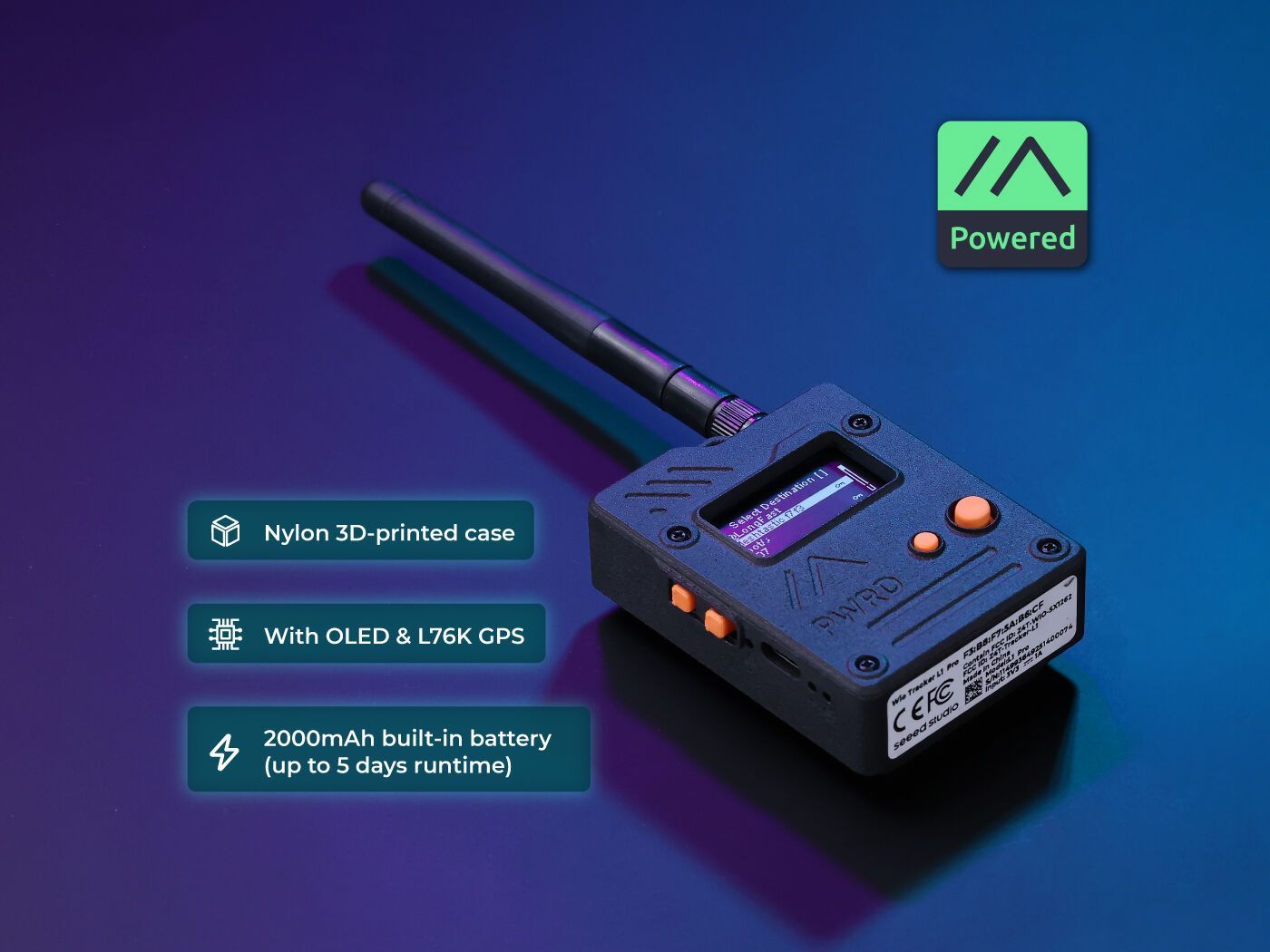
The ultra-compact option for tracking and basic messaging.
| Spec | Details |
|---|---|
| MCU | Nordic nRF52840 |
| LoRa Chip | Semtech LR1110 |
| GPS | Built-in with geofencing |
| Battery | 700 mAh rechargeable |
| Size | Credit card form factor |
| Display | None |
| Price | ~$40 |
Why we like it
The T1000-E is the size of a credit card. It’s designed for asset tracking, but it works surprisingly well as a minimal mesh node.
The Nordic nRF52840 chip sips power. You can get days of battery life on a single charge. Built-in GPS means it can report its location automatically without any external modules.
Firmware support
| Firmware | Status |
|---|---|
| Meshtastic | Full support |
| MeshCore | Supported (Client mode) |
Best for
- Asset tracking. Throw it in a bag, vehicle, or gear case.
- Emergency beacon. Set-and-forget location reporting.
- Ultra-light carry. When every gram counts.
Tradeoffs
No display means you need a phone to see messages. It’s not a communicator. It’s a tracker that can also mesh.
Buy it: Seeed Studio with code PLQS9LD3
3. RAK WisMesh Tag
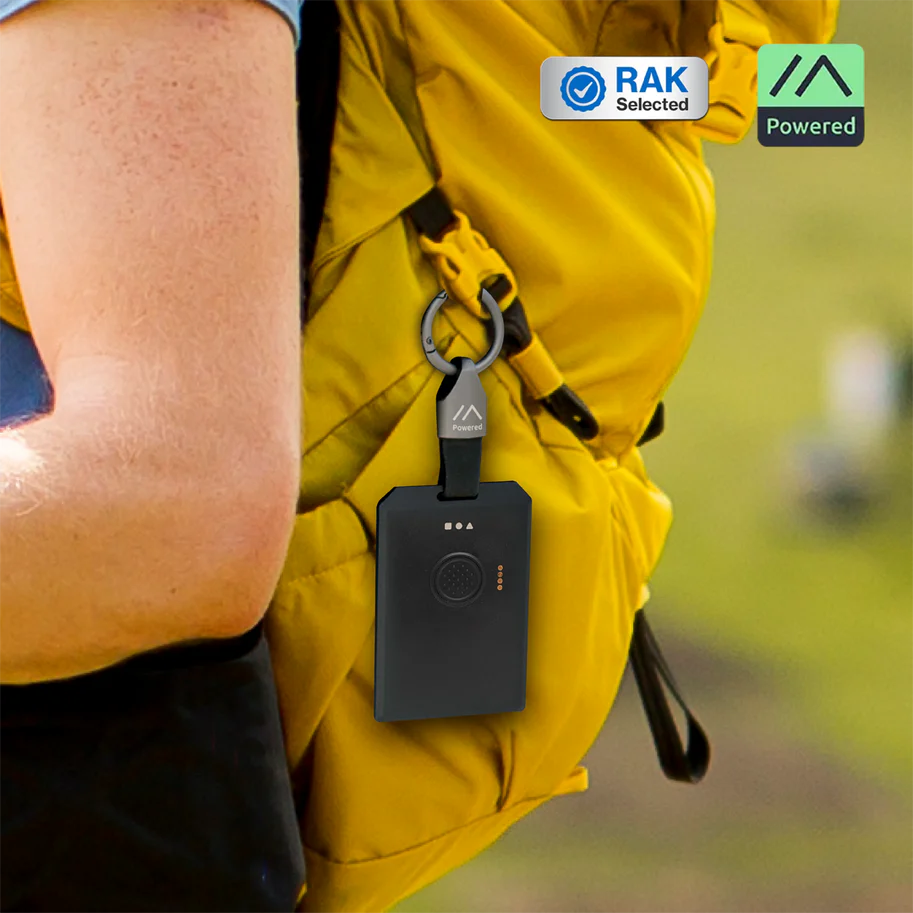
A compact, power-efficient tag built for the mesh.
| Spec | Details |
|---|---|
| MCU | Nordic nRF52840 |
| LoRa Chip | Semtech SX1262 |
| GPS | Built-in AT6558R |
| Battery | 1000 mAh rechargeable |
| Size | Badge/tag form factor (IP66) |
| Display | None (LED indicators) |
| Price | $39 |
Why we like it
RAK has been building modular LoRa hardware for years, and the WisMesh Tag brings that expertise into a rugged, field-ready package. Co-developed with the Meshtastic community, it’s purpose-built for mesh networking.
The nRF52840 is the same low-power chip used in the T1000-E, which means excellent battery efficiency. Users report 2 to 3 days of battery life with GPS on. The IP66 rating handles rain and dust without issue.
Firmware support
| Firmware | Status |
|---|---|
| Meshtastic | Full support |
| MeshCore | Supported (Client mode) |
Best for
- Wearable mesh nodes. Clip to a pack or lanyard with the included attachment.
- Outdoor use. IP66 rated for weather resistance.
- Tracking. Built-in GPS with fast lock times.
Tradeoffs
No display means phone-dependent operation for reading messages. The badge form factor is bulkier than the credit-card T1000-E.
Buy it: RAK Wireless Store
4. LILYGO T-Deck Plus
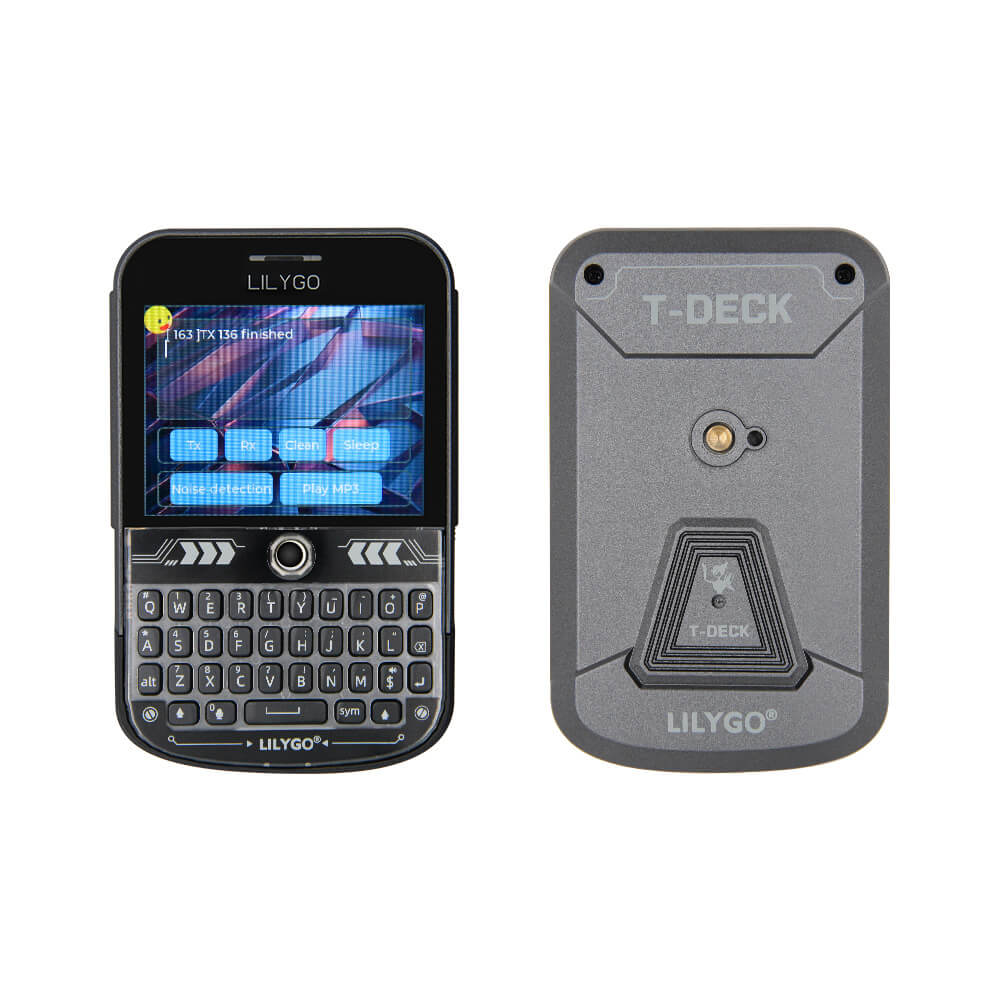
A standalone communicator with a full keyboard.
| Spec | Details |
|---|---|
| MCU | ESP32-S3 |
| LoRa Chip | Semtech SX1262 |
| GPS | Built-in |
| Battery | 3000 mAh built-in |
| Size | ~120 × 70 × 25 mm |
| Display | 2.8” IPS LCD (320 × 240) touchscreen |
| Price | ~$85 to $100 |
Why we like it
The T-Deck Plus is what happens when you design a mesh device to work without a phone.
The built-in keyboard lets you type messages directly on the device. The color touchscreen shows conversations, node lists, and maps. It’s a dedicated mesh communicator that happens to fit in a cargo pocket. If you pair it with MeshOS firmware, the standalone experience gets even better.
The 3000 mAh battery is substantial. Expect a full day of active use, or several days with light usage.
Firmware support
| Firmware | Status |
|---|---|
| Meshtastic | Full support with native UI |
| MeshCore | Full support (all modes) |
Best for
- Phone-free operation. Type and read without Bluetooth pairing.
- Group communication. See conversations at a glance.
- Field coordinators. Larger screen for managing nodes.
Tradeoffs
It’s bigger than a phone. The ESP32-S3 uses more power than nRF52840 devices. Not truly pocketable in regular pants.
Buy it: LILYGO Official Store or Amazon
5. LILYGO T-Beam Supreme
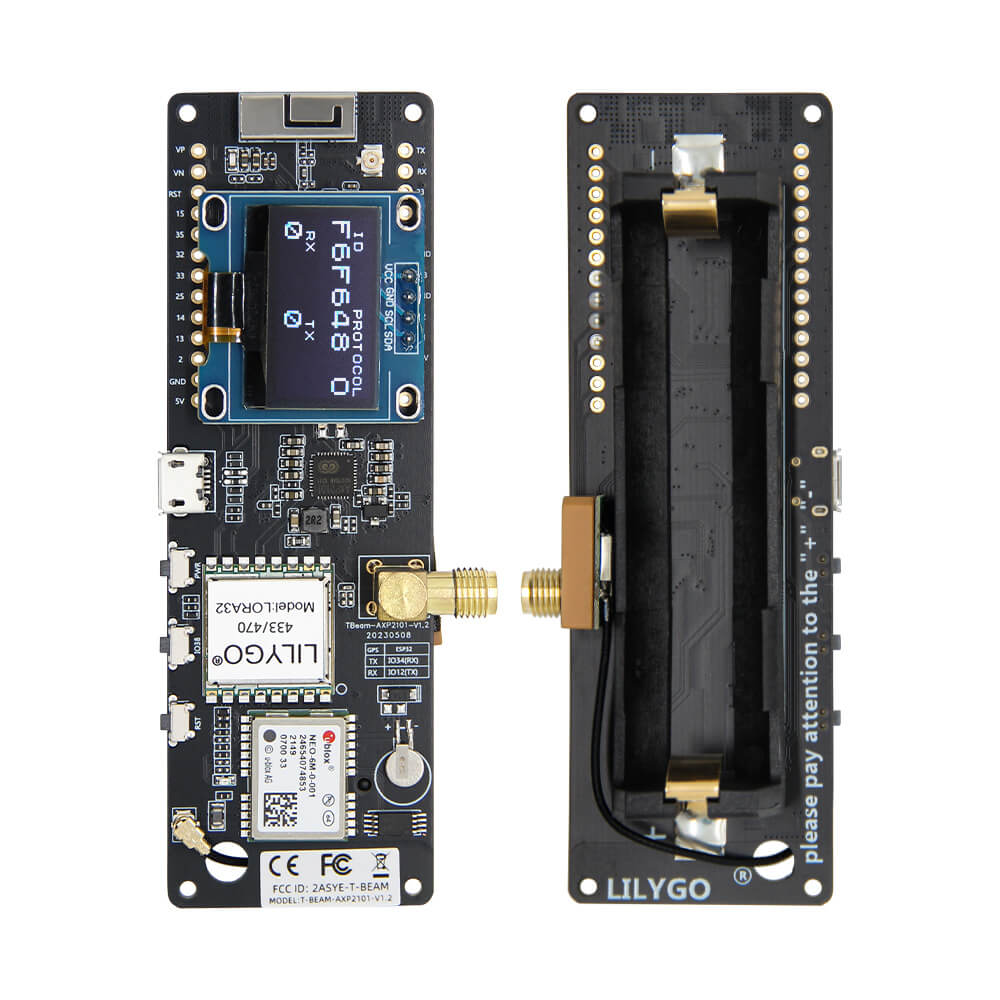
The power user’s choice for extended off-grid trips.
| Spec | Details |
|---|---|
| MCU | ESP32-S3 |
| LoRa Chip | Semtech SX1262 |
| GPS | Built-in L76K (high-sensitivity) |
| Battery | 18650 cell (user-replaceable) |
| Size | ~100 × 40 × 25 mm |
| Display | 0.96” OLED |
| Price | ~$55 to $70 |
Why we like it
The T-Beam Supreme is the workhorse of the portable mesh world.
The 18650 battery slot is the killer feature. Unlike built-in batteries, you can swap cells in seconds. Carry spares and you’re never without power. High-capacity 18650s give you 3000 to 3500 mAh per cell, and you can bring as many as you want.
The ESP32-S3 provides plenty of processing power for advanced features. It also makes an excellent repeater when you need relay capability in the field.
Firmware support
| Firmware | Status |
|---|---|
| Meshtastic | Full support |
| MeshCore | Full support (all modes including Repeater) |
Best for
- Extended off-grid trips. Swap batteries, keep running.
- Portable repeaters. Expandable, reliable, proven.
- Power users. Access to all GPIO and expansion options.
Tradeoffs
Larger than the T-Echo. The small OLED requires good eyesight. ESP32 power consumption is higher than nRF52840 devices. Needs a case for true portable use.
Buy it: LILYGO Official Store or Amazon
Quick Comparison
| Device | MCU | Display | GPS | Battery | Best For |
|---|---|---|---|---|---|
| T-Echo | nRF52840 | E-Ink | Yes | 850 mAh | Daily carry, hiking |
| SenseCAP T1000-E | nRF52840 | None | Yes | 700 mAh | Tracking, stealth |
| RAK WisMesh Tag | nRF52840 | None | Yes | 1000 mAh | Wearable, outdoor |
| T-Deck Plus | ESP32-S3 | 2.8” LCD | Yes | 3000 mAh | Standalone comms |
| T-Beam Supreme | ESP32-S3 | OLED | Yes | 18650 | Long trips, repeaters |
MeshCore vs Meshtastic: Which Firmware
All five devices work with Meshtastic. Most also work with MeshCore, though support varies.
- Meshtastic. More mature, larger community, better documentation.
- MeshCore. Newer, structured routing, growing fast.
If you’re unsure, start with Meshtastic. You can always flash MeshCore later to compare. Our full MeshCore vs Meshtastic comparison breaks down the differences that matter.
What About Dev Boards
This list focuses on ready-to-carry devices. If you’re interested in building your own portable node from a development board, our Heltec WiFi LoRa 32 V3 review covers our favorite board for DIY builds.
Who Each One Is For
For most people. Get the LILYGO T-Echo. Best balance of size, features, battery life, and price. Works with both Meshtastic and MeshCore.
For phone-free operation. The T-Deck Plus is unmatched. If you want to send messages without pulling out your phone, this is it.
For tracking. The SenseCAP T1000-E is tiny, cheap, and just works.
For a wearable. The RAK WisMesh Tag clips to a pack or lanyard and holds up to weather.
For extended trips. The T-Beam Supreme gives you swappable 18650 batteries. Carry spares and you never run out of power.
Get Started
Ready to join the mesh? Here are the guides to start with:
- Meshtastic Getting Started Guide
- MeshCore Getting Started Guide
- Meshtastic Devices and MeshCore Devices
- Meshtastic Firmware Guide for flashing
Or explore local networks:
Prices and availability vary. Links are for reference and we’re not affiliated with any retailer. Got questions? Join our Discord or check the contact page.
Comments
Related Posts
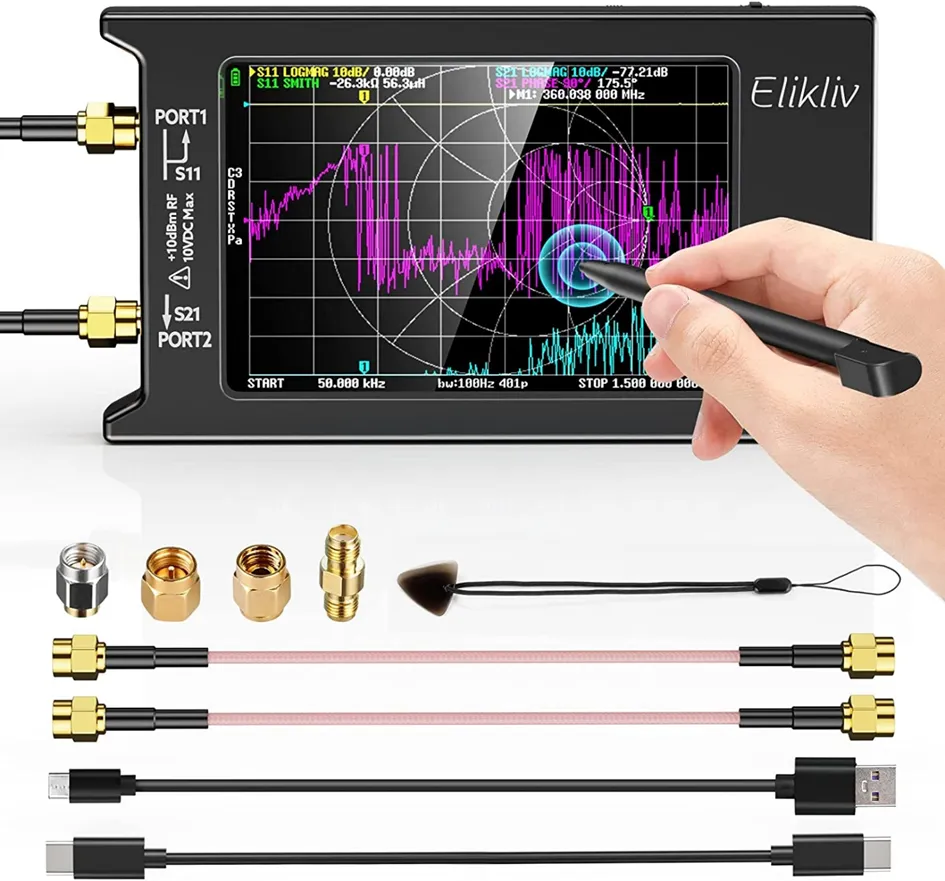
NanoVNA Antenna Testing for 915 MHz LoRa Mesh Nodes
Measure SWR, impedance, and resonant frequency on 915 MHz LoRa antennas with a NanoVNA. Calibration, reading the display, and what good looks like.
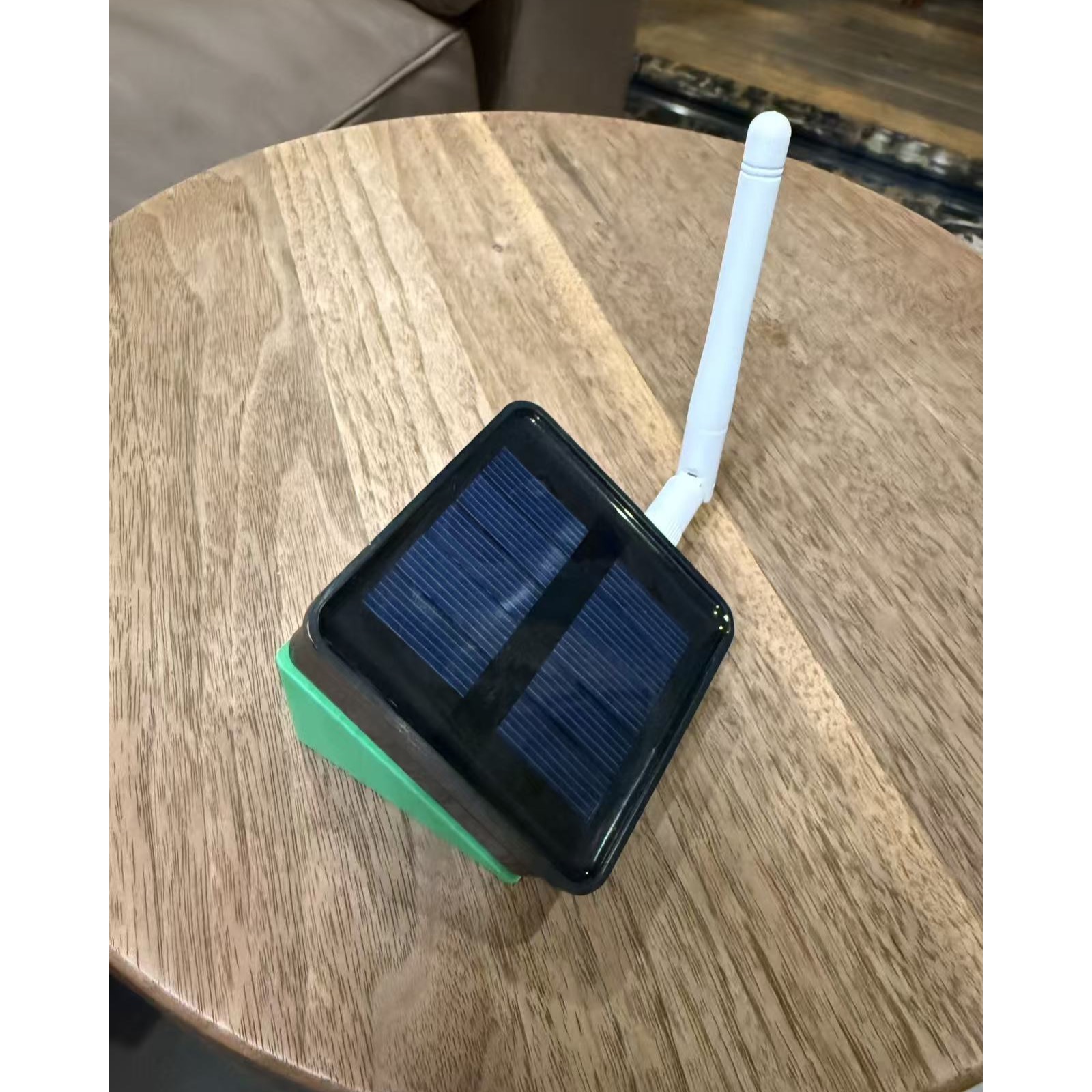
GAT562 30s Mesh Solar Repeater: 1W nRF52840 for $39.99
GAT562 30s pairs an nRF52840 with a 1W LoRa stage and direct solar pads for $39.99. Specs, the no-MPPT story, and RAK WisMesh 1W comparison.
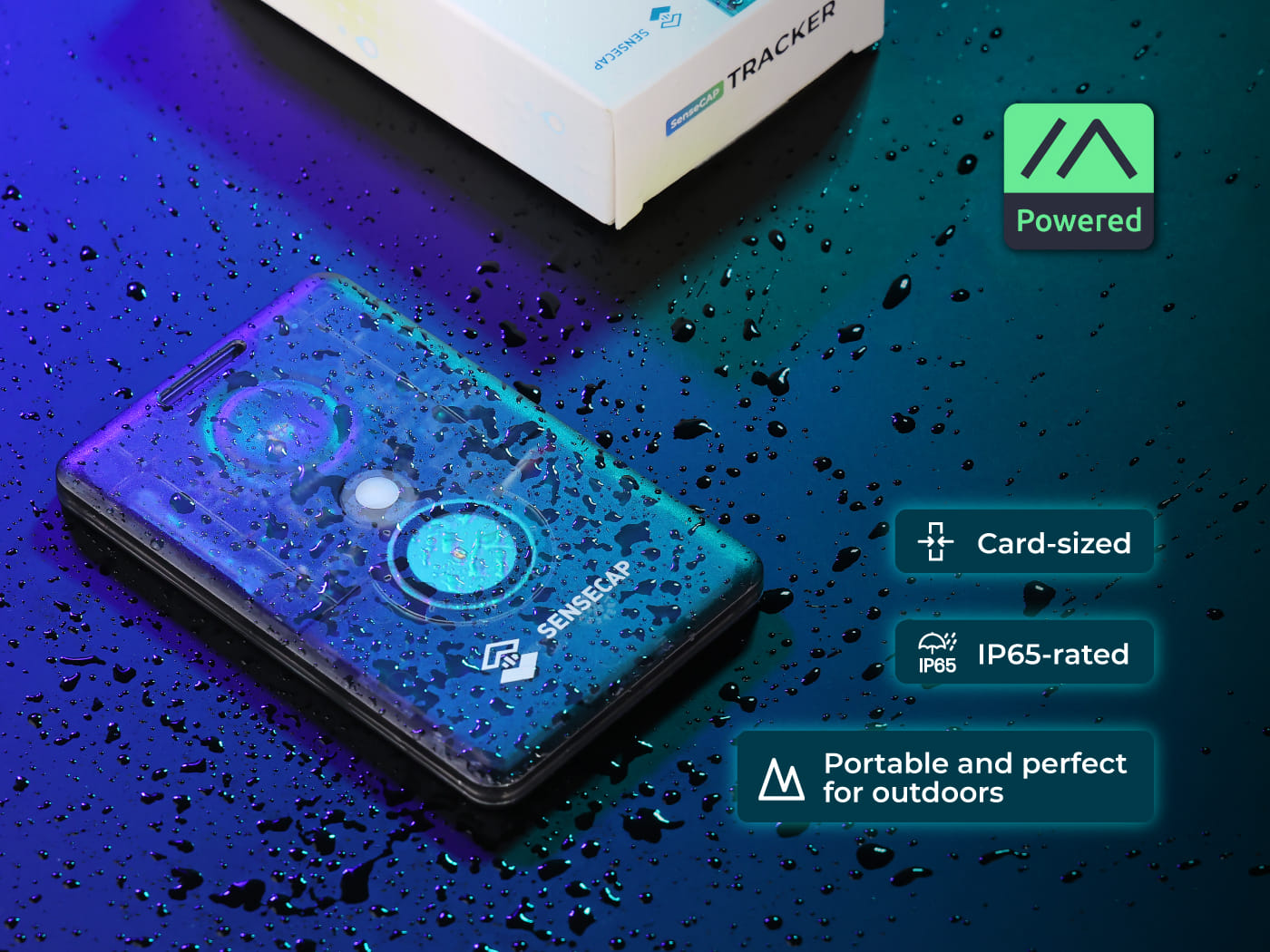
Seeed Studio Affiliate Partnership
NodakMesh joined Seeed Studio's affiliate program. Six Meshtastic and MeshCore products, each with a reader coupon code that saves you money at checkout.