Skip to content

Search guides, devices and posts

Best 3D Printers for Meshtastic and MeshCore Cases

The printers we'd buy to print node cases, repeater boxes and solar enclosures, at three price points.

Short answer

Start with a Bambu Lab A1 for PLA, PETG and PCTG cases. Step up to the enclosed Creality K2 for ABS, or the QIDI Q2 (our pick) if you want ASA and carbon fiber for tower deployments.

Recommended Printers

Recommended Printers for Mesh Node Builds

Every node needs a case. Whether you're printing a quick PLA enclosure for a desk node or cranking out weatherproof PCTG or ASA housings for tower deployments, having the right printer matters. Here's what we'd suggest at each level.

Entry level ~$299
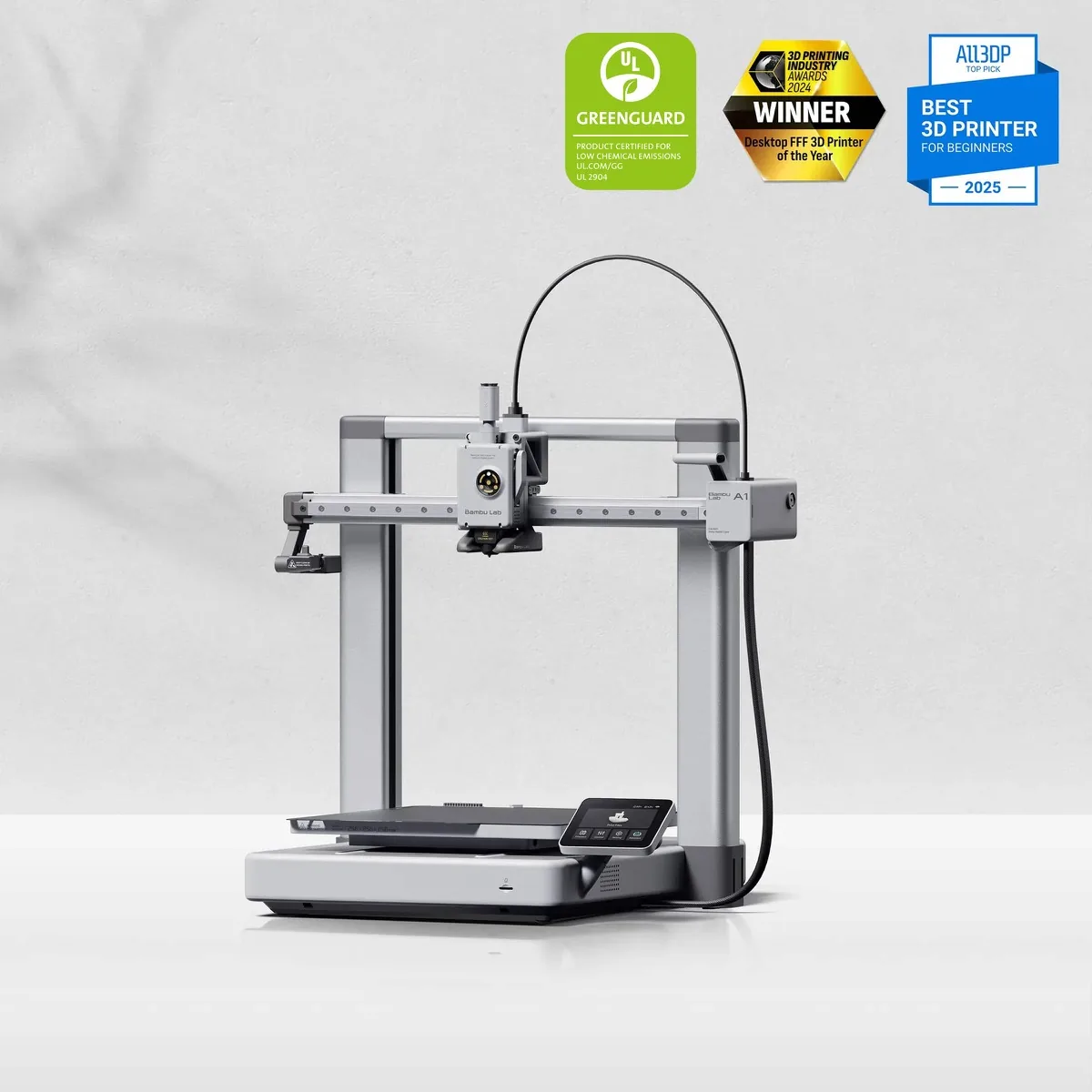
Bambu Lab A1 3D printer

Bambu Lab A1

  • 256 × 256 × 256 mm build volume
  • Open frame
  • Bed-slinger with CoreXY-class speed

Best for First printer, PLA and PETG enclosures, desk nodes, indoor projects

The A1 is what several of us on the team started with and still use daily. Open frame, dead simple setup, and the print quality punches way above its price. If you just need to print a case for your Heltec V3 and get on the mesh, this is where you start. Not ideal for ASA or engineering materials since it's open frame, but for PLA and PETG enclosures it handles everything you'll throw at it.

View on Bambu Lab Store
Mid-range enclosed ~$449
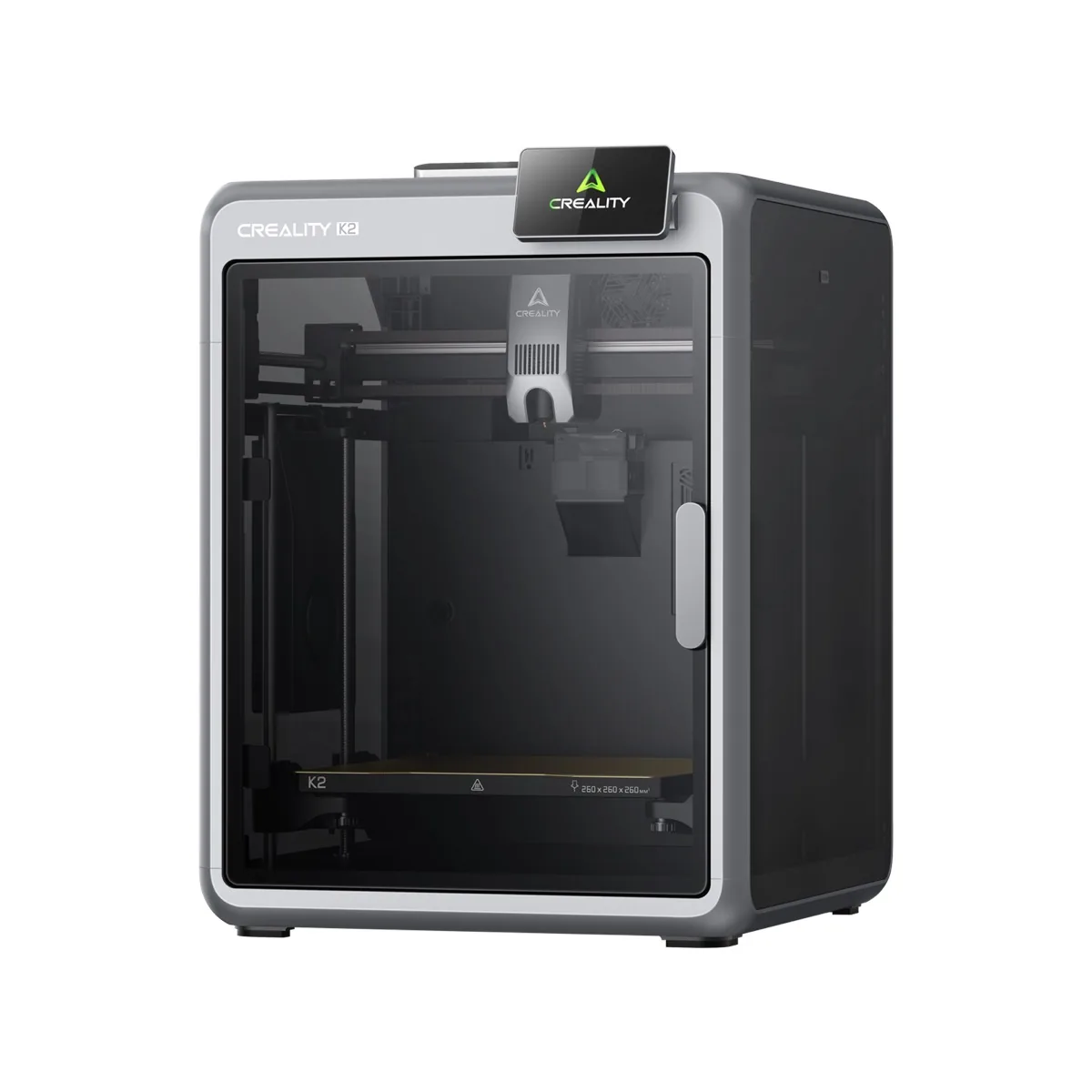
Creality K2 3D printer

Creality K2

  • 260 × 260 × 260 mm build volume
  • Enclosed CoreXY
  • No actively heated chamber

Best for Stepping up to enclosed printing, PETG and ABS, larger enclosures, quieter operation

Based on our experience with the K1 and K2 series, we have a clear sense of how Creality's enclosed CoreXY platform handles mesh enclosure work. The K2 is the version we'd point people toward in this tier. The enclosure helps with ABS and draft-sensitive PETG prints. No actively heated chamber, so ASA can still be finicky, but for most enclosure work it gets the job done.

View on Creality Store
Engineering · Enclosed ~$499
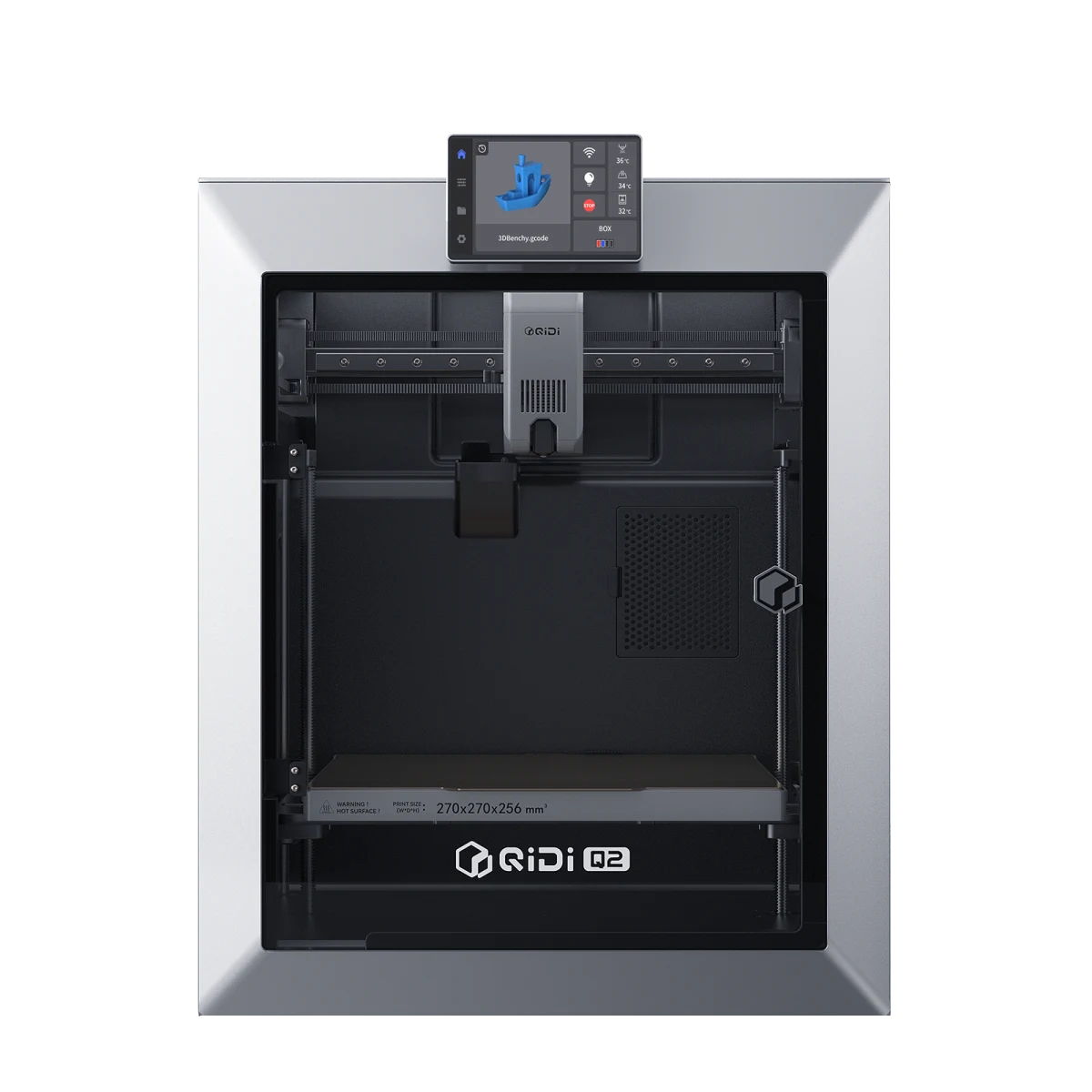
Our pick QIDI Q2 3D printer

QIDI Q2

  • 270 × 270 × 256 mm build volume
  • Enclosed CoreXY with 65°C active heated chamber
  • 370°C high-temp nozzle
  • AI camera monitoring

Best for ASA, PETG, ABS, Nylon, Carbon Fiber, large enclosures, weatherproof deployments, engineering-grade materials

Our engineering-tier printer for outdoor enclosures and functional parts. The Q2's actively heated chamber and 370°C nozzle handle ASA and carbon fiber variants without compromise. Every weatherproof enclosure we deploy on towers and repeater nodes is printed on this machine.

View on QIDI Store

These are our genuine recommendations, based on what we've used and what we'd buy next.

What matters in a printer for node cases

Build volume around 250 mm

Enough for a solar box with a battery pack, or a full repeater enclosure in one piece. Every printer below clears it.

An enclosure only for ASA and ABS

PLA, PETG and PCTG print fine on an open-frame machine. ASA and ABS warp without an enclosure, and print best with a heated chamber.

A hardened nozzle for fiber-filled filament

Glass fiber, carbon fiber and glow-in-the-dark filament are abrasive and wear out a brass nozzle quickly. Fit hardened steel before printing them.

Multi-color is optional

Nice for labels and logos, but no node needs it. Spend the money on a better printer or more filament.

Got a printer? Pick a material in the filament guide, then grab a model from our 70+ free cases and mounts.

3D printer FAQ

What 3D printer do I need to print a Meshtastic or MeshCore case?

Any printer that handles PLA and PETG will print most node cases. An entry-level machine like the Bambu Lab A1, with a build volume around 256 mm, covers desk nodes, handhelds and most enclosures.

Do I need an enclosed 3D printer for outdoor enclosures?

Not if you print in PETG or PCTG, which both print well on an open-frame printer. You do need an enclosure for ASA and ABS, and a printer with an actively heated chamber, like the QIDI Q2, handles them best.

Do I need a hardened nozzle?

Only for abrasive filament: glass fiber, carbon fiber and glow-in-the-dark. Those wear a brass nozzle out quickly, so switch to hardened steel before printing them.

Which printer does NodakMesh use for tower and repeater enclosures?

The QIDI Q2. Its actively heated chamber and 370 °C nozzle handle ASA and carbon fiber, and every weatherproof enclosure we deploy on towers and repeater nodes is printed on it.

The QIDI link is an affiliate link: NodakMesh earns a commission on orders through it, at no extra cost to you.